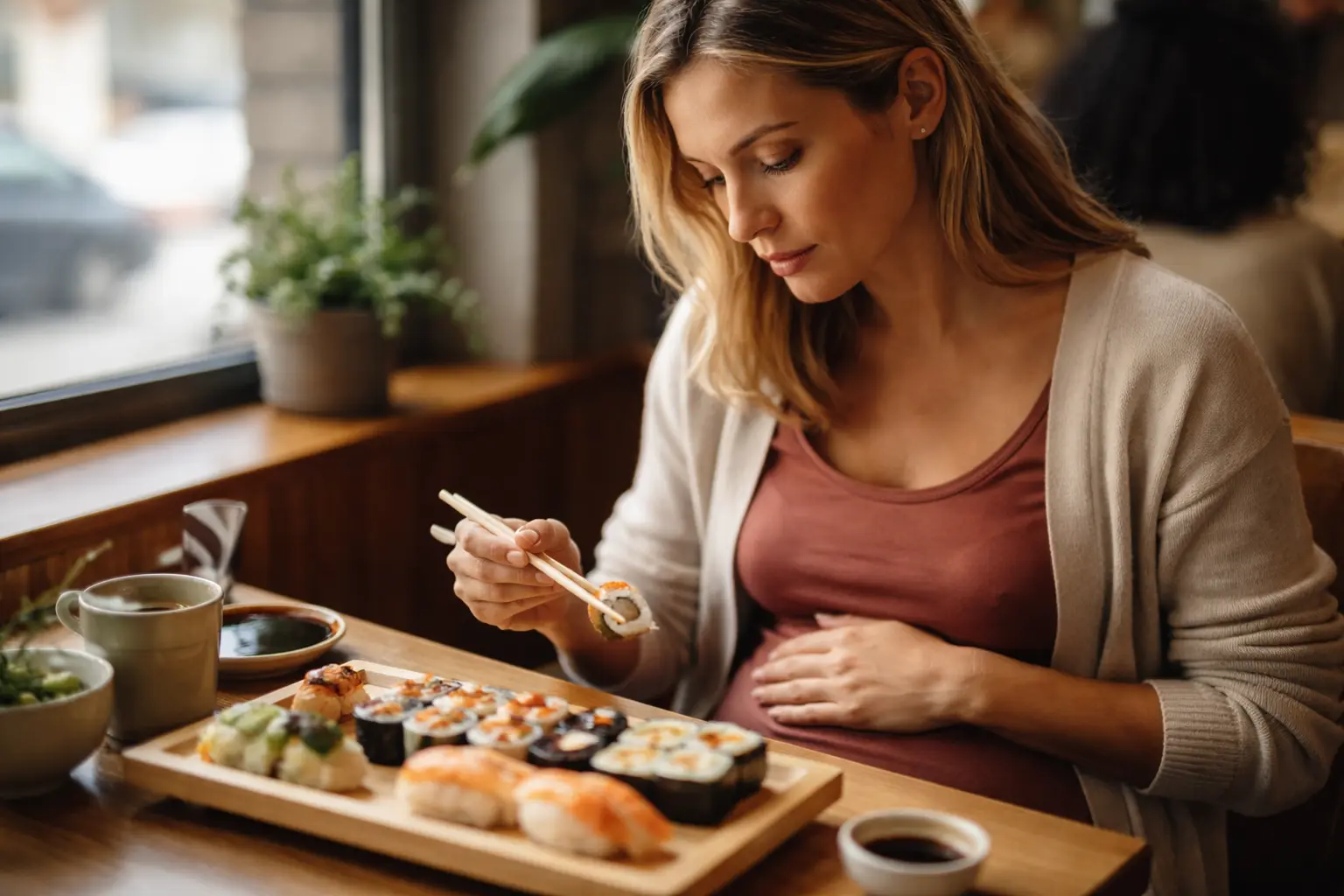
You’re craving sushi but suddenly every article online makes you feel like you’re about to poison your baby, so let’s cut through the noise and figure out which sushi to eat when pregnant without the guilt or confusion.
Understanding sushi ingredients
When you’re pregnant, the stakes around food feel higher because your immune system is naturally suppressed to protect your developing baby, making you more vulnerable to foodborne pathogens. Raw fish in sushi can harbor harmful bacteria like Listeria monocytogenes and parasites such as Anisakis, which don’t just affect you but can cross the placental barrier and potentially harm fetal development. Think of it this way: a non-pregnant person might eat raw fish without consequence because their immune system quickly neutralizes the threat, but during pregnancy, your body’s defenses are intentionally dialed down. This is why understanding what’s actually in your sushi roll matters so much. Some restaurants source their fish from suppliers with rigorous freezing protocols that kill parasites, while others don’t. The difference between a safe meal and a risky one often comes down to these invisible details. By learning to identify which ingredients carry higher risks, you’re not being paranoid; you’re being informed.
Safe sushi options
Cooked seafood in sushi rolls eliminates the primary concern because heat destroys bacteria and parasites that raw preparations cannot. Shrimp tempura rolls, for example, involve flash-frying shrimp at high temperatures, making them microbiologically safe. Cooked eel, often called unagi, is another excellent choice because the cooking process is integral to how it’s prepared. Crab rolls, whether made with imitation crab or real cooked crab, are similarly safe options. Beyond seafood, vegetarian rolls offer complete peace of mind: avocado rolls, cucumber rolls, and pickled vegetable combinations provide satisfying textures and flavors without any foodborne illness risk. Many pregnant women find that exploring cooked options actually expands their sushi appreciation rather than limiting it. A California roll with imitation crab and avocado, for instance, offers a creamy, complex flavor profile that rivals raw fish preparations. Egg-based options like tamago (sweet egg) rolls are also nutritious and safe. The key insight is that safe sushi isn’t a compromise on taste; it’s simply a different category of enjoyment.
Steps for safer sushi choices
Making safer sushi choices requires a three-part approach that combines restaurant selection, menu navigation, and personal awareness. First, choose establishments with strong reputations for food safety and ingredient quality. Look for sushi restaurants that have been operating for several years, have positive health inspection records, and whose staff can answer questions about their sourcing and preparation methods. When you call ahead or arrive, don’t hesitate to ask directly: Where does your fish come from? How is it stored? What’s your freezing protocol? Reputable restaurants welcome these questions because they’re proud of their standards. Second, when reviewing the menu, actively avoid raw fish preparations like sashimi, nigiri with raw fish, and maki rolls containing raw tuna or salmon. Instead, scan for descriptors like tempura, cooked, eel, or vegetable-based. Third, develop a personal checklist before ordering: Is this roll made entirely with cooked ingredients or vegetables? Can the restaurant confirm their preparation standards? Am I ordering from a place I trust? This methodical approach transforms what might feel overwhelming into a manageable decision-making process.
- Choose sushi with cooked ingredients or vegetables only.
- Ensure sushi is prepared at reputable establishments with strong food safety records.
- Avoid sushi rolls made with raw fish including sashimi, nigiri, and rolls with raw tuna or salmon.
🔬 Science-backed benefits in 2 minuteschoose where to begin:
Nutritional benefits of sushi
Sushi, particularly when made with cooked fish, offers genuine nutritional advantages during pregnancy that shouldn’t be overlooked. Cooked fish contains high-quality protein essential for fetal tissue development and maternal blood volume expansion. Omega-3 fatty acids, though present in higher concentrations in raw fish, are still available in cooked preparations and support fetal brain and eye development. A serving of cooked shrimp or eel sushi provides selenium, a mineral crucial for thyroid function during pregnancy when metabolic demands increase significantly. Seaweed used in sushi rolls contains iodine, another thyroid-supporting nutrient that many pregnant women don’t get enough of. Avocado rolls contribute healthy monounsaturated fats and folate, a B vitamin critical for preventing neural tube defects. Vegetable rolls provide fiber, which helps address pregnancy-related constipation, a common complaint. The nutritional picture becomes clearer when you realize that safe sushi options aren’t nutritionally inferior; they’re simply different. You’re not sacrificing health benefits by choosing cooked options; you’re making a strategic choice that balances nutrition with safety.
Moderation and balance
Even with safe sushi choices, pregnancy nutrition thrives on variety and balance rather than frequent repetition of any single food. Eating sushi once or twice weekly as part of a diverse diet poses no concern, but consuming it multiple times daily would create nutritional imbalance by crowding out other essential foods. Consider your broader diet: Are you getting enough leafy greens for folate? Dairy or fortified alternatives for calcium? Lean meats or legumes for iron? Sushi fits beautifully into this landscape as one component, not the foundation. Some pregnant women worry that limiting themselves to cooked sushi means they’re missing out, but this mindset shifts when you realize cooked sushi offers its own pleasures. A perfectly prepared tempura shrimp roll with crispy texture, warm shrimp, and cool avocado creates a sensory experience distinct from raw preparations. Pairing your sushi meal with miso soup adds umami depth and provides additional nutrients. The goal isn’t perfection or deprivation; it’s creating a sustainable eating pattern that nourishes both you and your baby while allowing you to enjoy foods you love.
Consult your healthcare provider
Your healthcare provider knows your individual health history, any previous complications, current medications, and specific risk factors that might influence dietary recommendations. What’s generally safe for most pregnant women might require modification for someone with gestational diabetes, a compromised immune system, or a history of miscarriage. A conversation with your provider takes just minutes but provides personalized guidance tailored to your situation. Bring specific questions: Can I eat sushi? Which types are safest for me? Are there any ingredients I should avoid beyond raw fish? How often is reasonable? Your provider might also discuss mercury concerns related to certain fish species, or interactions between sushi ingredients and any supplements you’re taking. This isn’t about getting permission; it’s about ensuring your dietary choices align with your unique pregnancy profile. Many providers appreciate when patients come prepared with questions and research, as it demonstrates engagement with their own health. The reassurance that comes from professional confirmation often matters as much as the information itself.
Navigating sushi consumption during pregnancy requires understanding the science behind foodborne illness risks while recognizing that safe options exist and offer genuine nutritional value. Raw fish carries bacteria and parasites that pose particular risks during pregnancy when immune function is naturally suppressed, but cooked seafood, vegetables, and egg-based sushi rolls eliminate these concerns entirely. Choosing reputable restaurants, understanding menu options, and consulting your healthcare provider creates a framework for confident decision-making. Sushi can absolutely be part of a healthy pregnancy diet when approached with knowledge rather than fear.
Can I eat sushi with cooked fish when pregnant?
Yes, sushi with cooked fish like shrimp, eel, or crab is safe for consumption during pregnancy as long as it’s prepared at reputable establishments with strong food safety practices. Cooked seafood eliminates the bacterial and parasitic risks associated with raw preparations, making these options nutritionally sound and microbiologically safe choices.
Is it safe to eat vegetarian sushi rolls while pregnant?
Vegetarian sushi rolls with ingredients like avocado, cucumber, pickled vegetables, and egg are completely safe options for pregnant women. These rolls eliminate any risk of consuming raw fish while providing valuable nutrients including healthy fats, fiber, vitamins, and minerals that support pregnancy health.
Others also read:
Disclaimer: This article is for informational purposes only and is not a substitute for professional medical advice. Always consult a healthcare professional for personal guidance.
This article has been prepared and reviewed by the GlobalHealthBeacon editorial team and is based on current medical research and published scientific literature available in 2026. It provides structured, evidence-based information to support informed health decisions.
← Back to the Main page on: which sushi to eat when pregnant
