You’re exhausted by mid-morning even after coffee, or you’re wired at 11pm when you should be sleeping, and you have no idea which tea to drink in the morning vs evening to actually fix it.
Morning tea choices
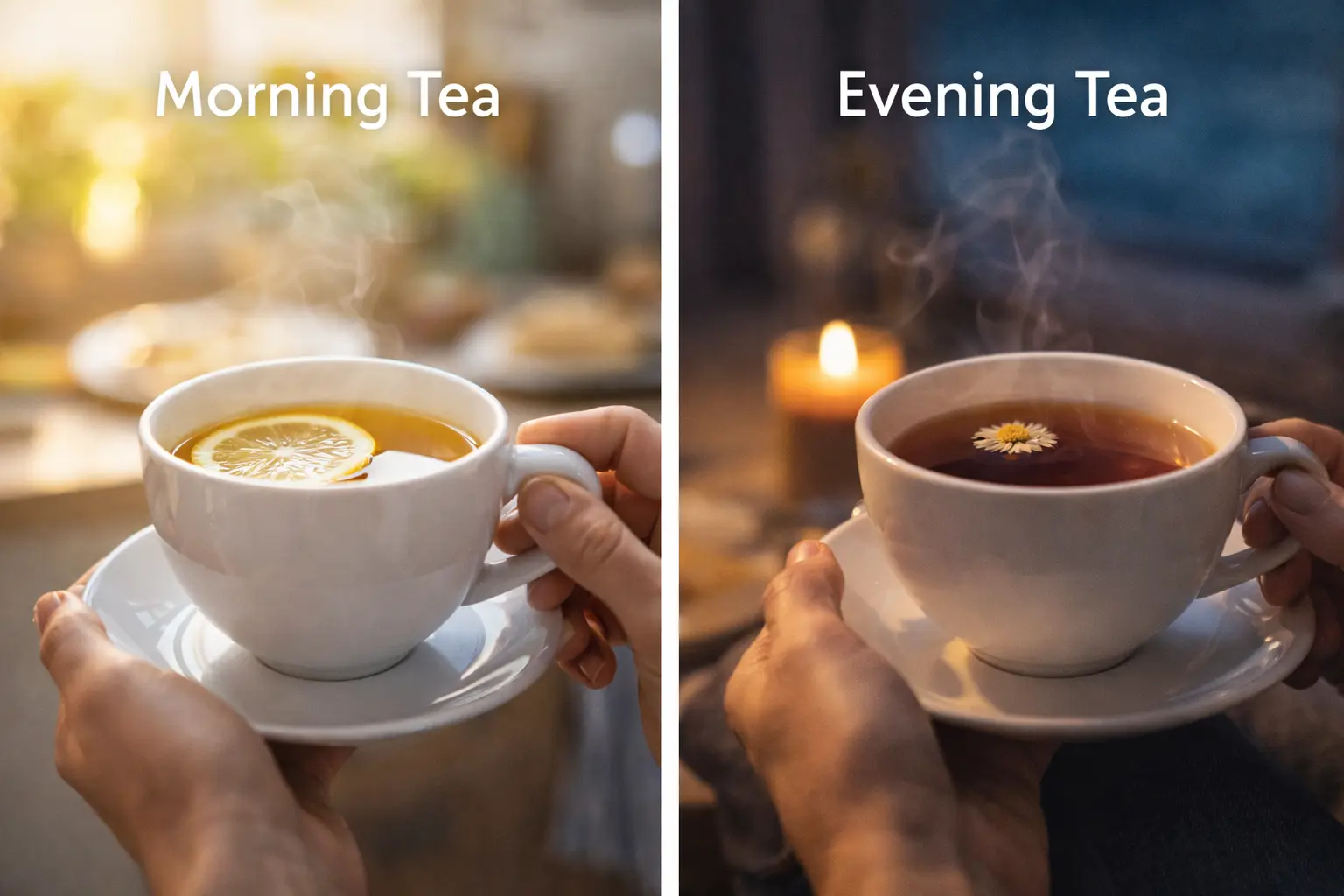
Your mornings set the tone for everything that follows, and the right tea can be the difference between dragging yourself through your day and actually feeling present. Green tea and black tea are your go-to options here. Green tea delivers a gentle caffeine lift, roughly 25-50mg per cup, paired with L-theanine which creates a calm focus rather than jitters. Black tea offers more caffeine, around 40-70mg, making it perfect if you’re a former coffee drinker looking for something smoother. Think of it this way: if you wake up groggy but have a full schedule ahead, black tea gives you that robust morning anchor. If you prefer a lighter touch that still sharpens your mind, green tea is your ally. Many women find that sipping tea mindfully for 10-15 minutes before diving into emails or tasks actually extends that calm alertness throughout the morning. The ritual itself matters as much as the beverage.
- Green tea is rich in antioxidants that may help improve metabolism and provides steady energy without the crash.
- Black tea has a robust flavor and is a good alternative for coffee lovers seeking a smoother caffeine experience.
- Avoid teas high in caffeine or stimulants for a smoother morning wake-up experience and to prevent afternoon energy dips.
Evening tea recommendations
Evening is when your nervous system needs permission to downshift, and the right tea becomes your ritual cue that sleep is coming. Chamomile is the classic choice, known for its apigenin compound which gently signals relaxation to your brain. Peppermint tea aids digestion if you’ve eaten close to bedtime and soothes any lingering stomach tension. Rooibos offers a naturally caffeine-free option with a slightly sweet, comforting flavor that feels indulgent without keeping you awake. Picture this: you finish dinner, pour a warm cup of chamomile, and spend 20 minutes reading or journaling while the warmth settles your system. That consistency trains your body to recognize the pattern. Many women report that this simple evening ritual helps them fall asleep 15-30 minutes faster than without it. The warmth of the cup in your hands, the aroma, the taste, all combine to signal your body that the day is ending and rest is welcome.
📘 Fix your day in under 2 minuteschoose where to begin:
Herbal tea benefits
Herbal teas go far beyond basic relaxation, each one targeting specific wellness needs based on what your body actually needs. Ginger tea supports digestion and can ease nausea, making it useful if you experience morning queasiness or bloating. Hibiscus tea has been studied for its potential to support healthy blood pressure and cardiovascular function, offering a tart, refreshing flavor. Turmeric-based golden milk blends provide anti-inflammatory compounds that many women find helpful for joint comfort and recovery after exercise. Lemon balm tea calms racing thoughts and mild anxiety, while passionflower may help with sleep quality if you tend to overthink at night. The key is matching the tea to your actual symptoms and needs rather than drinking randomly. If you struggle with afternoon energy crashes, ginger or green tea addresses that. If inflammation from workouts bothers you, turmeric becomes your ally. This personalized approach means you’re not just drinking tea, you’re actively supporting your body’s specific requirements.
Tea blends for wellness
Specialized tea blends are designed with specific health goals in mind, and they can become a cornerstone of your daily wellness routine. Detox blends typically combine herbs like milk thistle, dandelion, and burdock root to support liver function and natural cleansing processes. Immunity-boosting blends layer ingredients like elderberry, echinacea, and vitamin C-rich hibiscus to strengthen your body’s defenses, especially useful during cold and flu season. Sleep blends merge valerian, passionflower, and chamomile into one convenient cup that addresses multiple pathways to better rest. Hormone-balancing blends incorporate red clover and sage to support women’s health across different life stages. The advantage of blends is that they combine complementary herbs that work synergistically, meaning the effect is often greater than any single ingredient alone. Start with one blend that addresses your biggest current need, use it consistently for two to three weeks, and notice how you feel. Many women find that rotating blends seasonally keeps their wellness approach fresh and responsive to changing needs.
Customizing your tea routine
Your ideal tea routine is deeply personal and requires honest observation of how different teas actually make you feel. Start by tracking your energy levels, sleep quality, digestion, and mood for one week without changing anything. Then introduce one new tea and observe for three to five days before adding another. Notice not just the obvious effects but subtle ones: does your skin feel clearer, your joints less stiff, your mind quieter? Some women thrive with two cups of green tea in the morning and chamomile at night. Others do better with one black tea and herbal blends throughout the afternoon. Timing matters too. If you drink tea too close to bedtime, even herbal varieties, the volume of liquid might disrupt sleep. Experiment with finishing your evening tea by 7pm or 8pm depending on your sleep schedule. Consider your caffeine sensitivity, any medications that might interact with herbs, and your taste preferences. A tea you dislike won’t become a sustainable habit. The goal is building a routine that feels natural, supportive, and genuinely enjoyable rather than another health obligation.
Morning tea choices like green tea or black tea provide a gentle energy boost, while calming teas such as chamomile or peppermint tea are ideal for relaxing evenings. Herbal teas offer unique health benefits, and customized tea blends can enhance your overall well-being.
Can I drink black tea in the evening?
Black tea contains moderate caffeine levels but can be enjoyed in the evening if you are not sensitive to caffeine. Opt for decaffeinated versions if you prefer to avoid caffeine before bedtime.
Are there any teas to avoid in the evening?
Avoid teas high in caffeine or stimulants in the evening, as they may interfere with your sleep quality. Opt for herbal or decaffeinated options instead.
Others also read:
Disclaimer: This article is for informational purposes only and is not a substitute for professional medical advice. Always consult a healthcare professional for personal guidance.
This guide has been prepared and reviewed by the GlobalHealthBeacon editorial team and reflects current medical research as of 2026. It provides structured, evidence-based information to support informed health decisions.
← Go to the which tea to drink in the morning vs evening main guide
