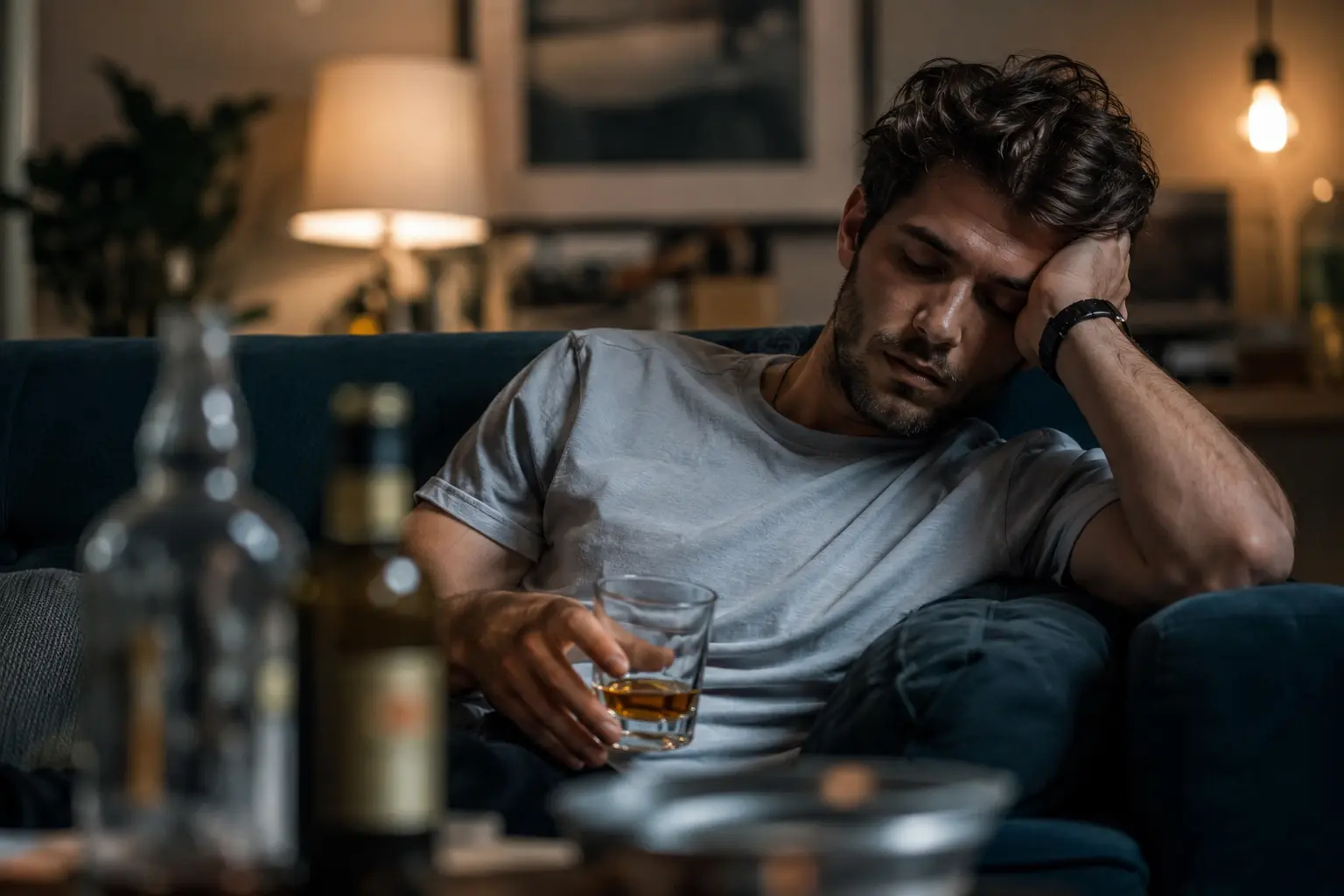
You wake up after a night out feeling like you’ve been hit by a truck, and you’re wondering why alcohol makes you sleepy in the first place when it’s supposed to be fun, not a sedative that leaves you exhausted and groggy the next morning.
Understanding alcohol’s impact on sleep
When you drink alcohol, your body enters a complex chemical process that fundamentally alters how you sleep. Alcohol interferes with adenosine, a neurotransmitter that builds up throughout the day and signals your brain that it’s time to rest. Initially, alcohol accelerates adenosine production, which is why you feel that sudden wave of drowsiness after a few drinks. However, this initial sedation masks a much bigger problem happening beneath the surface. Your sleep becomes fragmented and shallow. You might fall asleep quickly, but you’ll wake up multiple times during the night, never reaching the deep, restorative sleep your body needs. Think of it like this: you’re getting hours in bed, but you’re not actually sleeping well. The next day, you feel exhausted even though you technically got seven or eight hours. This is because alcohol suppresses REM sleep, the stage where your brain processes emotions, consolidates memories, and restores cognitive function. Without adequate REM sleep, you wake up feeling mentally foggy, emotionally drained, and unable to focus at work or school.
- Alcohol decreases REM sleep, the stage crucial for cognitive function and mood regulation.
- It can exacerbate sleep apnea or worsen symptoms of snoring, leading to further sleep disturbances.
- Alcohol-induced dehydration can contribute to feelings of fatigue and sleepiness the morning after.
Combatting alcohol-induced sleepiness
The most effective way to fight alcohol-induced drowsiness starts before you drink. First, hydrate aggressively. Drink a full glass of water for every alcoholic beverage you consume. This simple step directly counters the diuretic effect of alcohol, which forces your kidneys to produce more urine and drain your body of essential fluids. Dehydration amplifies fatigue, making you feel even more exhausted the next day. Second, time your drinking strategically. Avoid alcohol within three to four hours of bedtime. If you drink early in the evening, your body has time to metabolize the alcohol before you attempt sleep, reducing its disruptive effects on your sleep architecture. Third, incorporate regular exercise into your routine. Physical activity improves sleep quality overall and helps your body regulate its natural sleep-wake cycle, making you less vulnerable to alcohol’s sedative effects. Even a 30-minute walk or light workout four times a week makes a measurable difference. Finally, eat something substantial before drinking. Food slows alcohol absorption, preventing rapid spikes in blood alcohol content that intensify drowsiness. A meal with protein and healthy fats is ideal.
📘 Fix your day in under 2 minuteschoose where to begin:
Healthy alternatives to combat sleepiness
Instead of reaching for alcohol when you want to unwind, explore sleep-promoting alternatives that actually support your rest rather than sabotage it. Chamomile tea is a classic choice with mild sedative properties backed by research. Valerian root, passionflower, and magnesium supplements are other evidence-based options that promote relaxation without the sleep-disrupting side effects of alcohol. Create a wind-down routine that signals to your body that sleep is coming. This might include a warm bath with Epsom salts, 10 minutes of guided meditation, or journaling about your day. These rituals activate your parasympathetic nervous system, the part of your body responsible for rest and recovery. Avoid screens for at least 30 minutes before bed, as blue light suppresses melatonin production and tricks your brain into thinking it’s still daytime. If you enjoy the social aspect of drinking, consider alcohol-free alternatives like sparkling water with fresh fruit, herbal mocktails, or non-alcoholic beers that let you participate in social settings without compromising your sleep quality.
Practical tips for better sleep after drinking
If you do drink, optimize your sleep environment to maximize whatever rest you can get. Your bedroom should be dark, cool (around 65 to 68 degrees Fahrenheit), and quiet. Darkness triggers melatonin production, coolness supports the natural temperature drop your body needs for deep sleep, and silence prevents sudden awakenings. Use blackout curtains, a white noise machine, or earplugs if necessary. Avoid heavy meals, caffeine, and sugary foods in the hours after drinking. Your liver is already working overtime to process alcohol, and adding digestive stress or caffeine makes it harder for your body to settle into sleep. If you’re hungry, opt for light snacks like a banana or yogurt. Before bed, take a cool shower rather than a hot one. While a hot bath feels relaxing, it raises your core body temperature, which actually interferes with sleep onset. A cool shower brings your temperature down, preparing your body for the sleep state. Finally, resist the urge to scroll through your phone in bed. The stimulation keeps your mind active when it should be winding down, and the blue light further disrupts melatonin production.
Seeking professional help
If alcohol-induced sleepiness is consistently affecting your daily functioning, energy levels, or ability to perform at work or school, it’s time to consult a healthcare provider. Persistent post-drinking fatigue can signal underlying sleep disorders like sleep apnea or insomnia that alcohol is exacerbating. A doctor can conduct a sleep study to identify what’s actually happening during your sleep cycles and recommend targeted interventions. Additionally, if you find yourself drinking regularly to fall asleep or struggling to control your alcohol consumption, these are signs of potential alcohol dependence. A healthcare provider or addiction specialist can help you develop healthier coping strategies and address the root causes of why you’re turning to alcohol for sleep. There’s no shame in seeking help. Many young adults struggle with this exact issue, and professional guidance can transform your sleep quality and overall health within weeks.
Alcohol disrupts sleep patterns by interfering with adenosine production and suppressing REM sleep, leaving you exhausted despite hours in bed. Combat alcohol-induced sleepiness by staying hydrated, timing your drinks away from bedtime, exercising regularly, and creating a sleep-optimized bedroom environment. If the problem persists, consult a healthcare provider to rule out underlying sleep disorders.
Can alcohol consumption improve sleep quality?
While alcohol may initially make you feel drowsy, it disrupts the quality of your sleep, leading to fragmented rest and decreased REM sleep stages.
How does dehydration contribute to alcohol-induced sleepiness?
Alcohol is a diuretic, leading to increased urine production and dehydration, which can enhance feelings of fatigue and sleepiness after drinking.
Others also read:
Disclaimer: This article is for informational purposes only and is not a substitute for professional medical advice. Always consult a healthcare professional for personal guidance.
This guide has been prepared and reviewed by the GlobalHealthBeacon editorial team and reflects current medical research as of 2026. It provides structured, evidence-based information to support informed health decisions.
