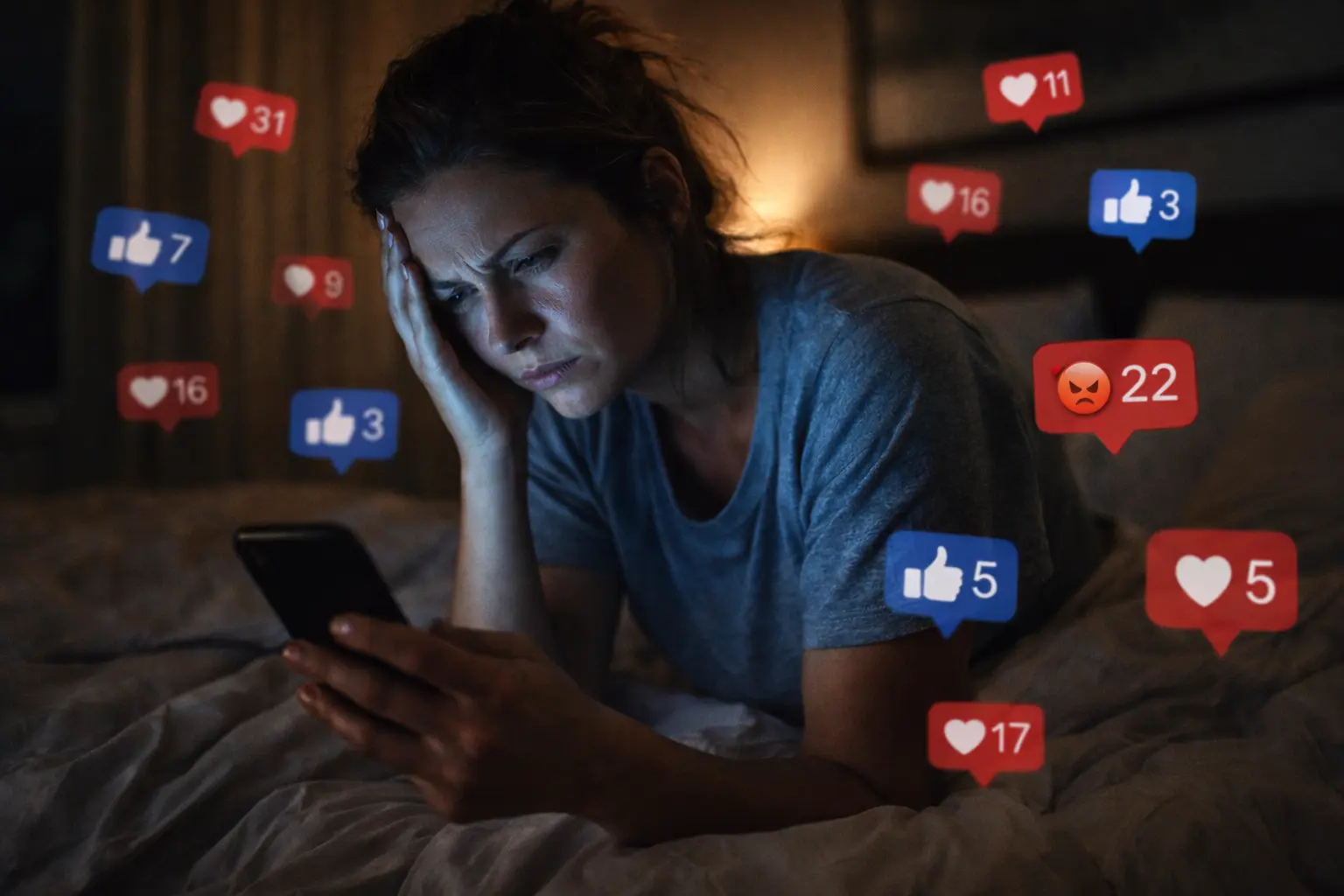
You’re scrolling at 2 AM again, your chest tight, comparing your life to highlight reels, and you still can’t sleep, so here’s the truth about why social media harms health and what you can actually do about it.
Understanding the impact of social media on health
The connection between social media and declining mental health is real and measurable. When you spend hours on platforms designed to keep you engaged, your brain receives constant dopamine hits followed by crashes that leave you feeling empty. Consider a typical scenario: you wake up, check your phone, and immediately see a friend’s vacation photos. Within minutes, you’re comparing your ordinary morning to their exotic experience, triggering a cascade of inadequacy. Research shows this comparison culture activates the same neural pathways as physical pain. Beyond mental health, excessive scrolling disrupts your circadian rhythm. The blue light from screens suppresses melatonin production, making it harder to fall asleep. You might also experience physical symptoms like eye strain, neck pain from hunching, and repetitive strain injuries. The loneliness paradox is particularly insidious: while surrounded by hundreds of online friends, many young adults report feeling more isolated than ever because digital interactions lack the depth and genuine connection that in-person relationships provide.
- Comparison culture on social media can trigger feelings of inadequacy and low self-esteem.
- Lack of real human connection on social platforms can lead to increased loneliness.
- Excessive screen time can disrupt your sleep patterns, affecting your overall health and well-being.
Managing social media usage for better health
Setting boundaries isn’t about quitting social media entirely; it’s about using it intentionally rather than reactively. Start by identifying your trigger times, those moments when you mindlessly reach for your phone out of boredom or anxiety. Common triggers include right after waking, during meals, or when you feel stressed. Once identified, create friction by moving the app to a folder, logging out after each session, or using app limiters that give you a warning before you exceed your daily time. Schedule specific times for checking social media, perhaps 15 minutes in the morning and 15 minutes in the evening, rather than constant checking throughout the day. During these designated times, be purposeful: follow accounts that educate or inspire rather than those that trigger comparison. Engage in activities that promote real human connection, like calling a friend instead of texting, joining a club, or attending local events. Practice mindfulness by noticing when you feel the urge to scroll and pausing to ask yourself why. Often you’ll discover you’re avoiding a difficult emotion or task. Meditation apps, journaling, or even a five-minute walk can address the underlying need without the digital escape.
📘 Fix your day in under 2 minuteschoose where to begin:
Finding balance in the digital age
Balance doesn’t mean equal time spent online and offline; it means prioritizing activities that feed your soul over those that drain it. Create phone-free zones in your home, like your bedroom or dining table, where real conversations can flourish without digital distractions. Establish a wind-down routine at least one hour before bed that includes no screens, perhaps reading, stretching, or listening to music. Exercise is a powerful antidote to social media’s negative effects. Whether it’s a 20-minute run, a yoga class, or dancing to your favorite songs, physical activity releases endorphins, improves sleep quality, and boosts self-esteem in ways that no filtered photo can replicate. Pursue hobbies that demand your full attention: learning an instrument, painting, cooking, or sports all provide the deep engagement and sense of accomplishment that social media promises but never truly delivers. These activities also give you genuine experiences to enjoy rather than perform for an audience. Spend time in nature, which research shows reduces anxiety and depression more effectively than any wellness app. The key is building a life so rich offline that social media becomes a minor supplement rather than your primary source of connection and validation.
Seeking support and connection
If social media has left you feeling anxious, depressed, or disconnected, reaching out for support is a sign of strength, not weakness. Start with people close to you: a trusted friend, family member, or mentor who can listen without judgment. Sometimes simply naming the struggle aloud reduces its power. If feelings persist or intensify, consider speaking with a therapist or counselor who specializes in digital wellness or anxiety. Many universities and workplaces offer free mental health services. Look for therapists who understand the unique pressures young adults face in a hyper-connected world. Online support communities focused on digital wellness can also help you feel less alone, though be mindful not to replace in-person connection with more screen time. Cultivate relationships that provide genuine support: people who check in without expecting a response within minutes, who listen more than they talk, and who accept you as you are rather than as a curated version. These meaningful relationships are built through consistent, unhurried time together. Consider starting a conversation with friends about social media’s impact; you might be surprised how many share your concerns and are ready to make changes together.
Embracing a healthy lifestyle
Your overall well-being depends on habits that extend far beyond social media management. Prioritize consistent sleep by maintaining a regular schedule, aiming for seven to nine hours nightly, and protecting your bedroom as a sanctuary from screens. Nutrition matters more than you might think: processed foods and excessive caffeine can amplify anxiety, while whole foods, omega-3s, and adequate hydration support stable moods and energy. Regular exercise, even 30 minutes of moderate activity most days, is as effective as some medications for depression and anxiety. Find movement you actually enjoy rather than forcing yourself through workouts you hate. Mindfulness practices like meditation, deep breathing, or body scans train your brain to notice anxious thoughts without being controlled by them. Start with just five minutes daily using an app like Insight Timer or Calm. Engage in activities that foster growth and positivity: learning new skills, volunteering, spending time with people who lift you up, and pursuing goals that matter to you personally rather than those that impress others online. These habits create a foundation of genuine self-worth that doesn’t depend on likes, comments, or follower counts.
Social media can significantly impact your mental and physical health through comparison, sleep disruption, and reduced genuine connection. By setting clear boundaries, prioritizing real-world activities, seeking meaningful support, and building healthy lifestyle habits, you can reclaim control over your digital life and protect your well-being in an increasingly connected world.
How can social media impact my mental health?
Excessive social media usage can lead to anxiety, depression, feelings of inadequacy, and disrupted sleep patterns, negatively affecting your mental well-being. The constant comparison with others and the pressure to present a perfect image can erode self-esteem and create a false sense of isolation despite being constantly connected.
What can I do to protect my health from the negative effects of social media?
To safeguard your health, set boundaries for social media use by scheduling specific times for checking apps, create phone-free zones in your home, engage in real-life activities and hobbies, seek support from loved ones or mental health professionals, and prioritize healthy lifestyle habits including regular exercise, quality sleep, and mindfulness practices.
Disclaimer: This article is for informational purposes only and is not a substitute for professional medical advice. Always consult a healthcare professional for personal guidance.
This guide has been prepared and reviewed by the GlobalHealthBeacon editorial team and reflects current medical research as of 2026. It provides structured, evidence-based information to support informed health decisions.
