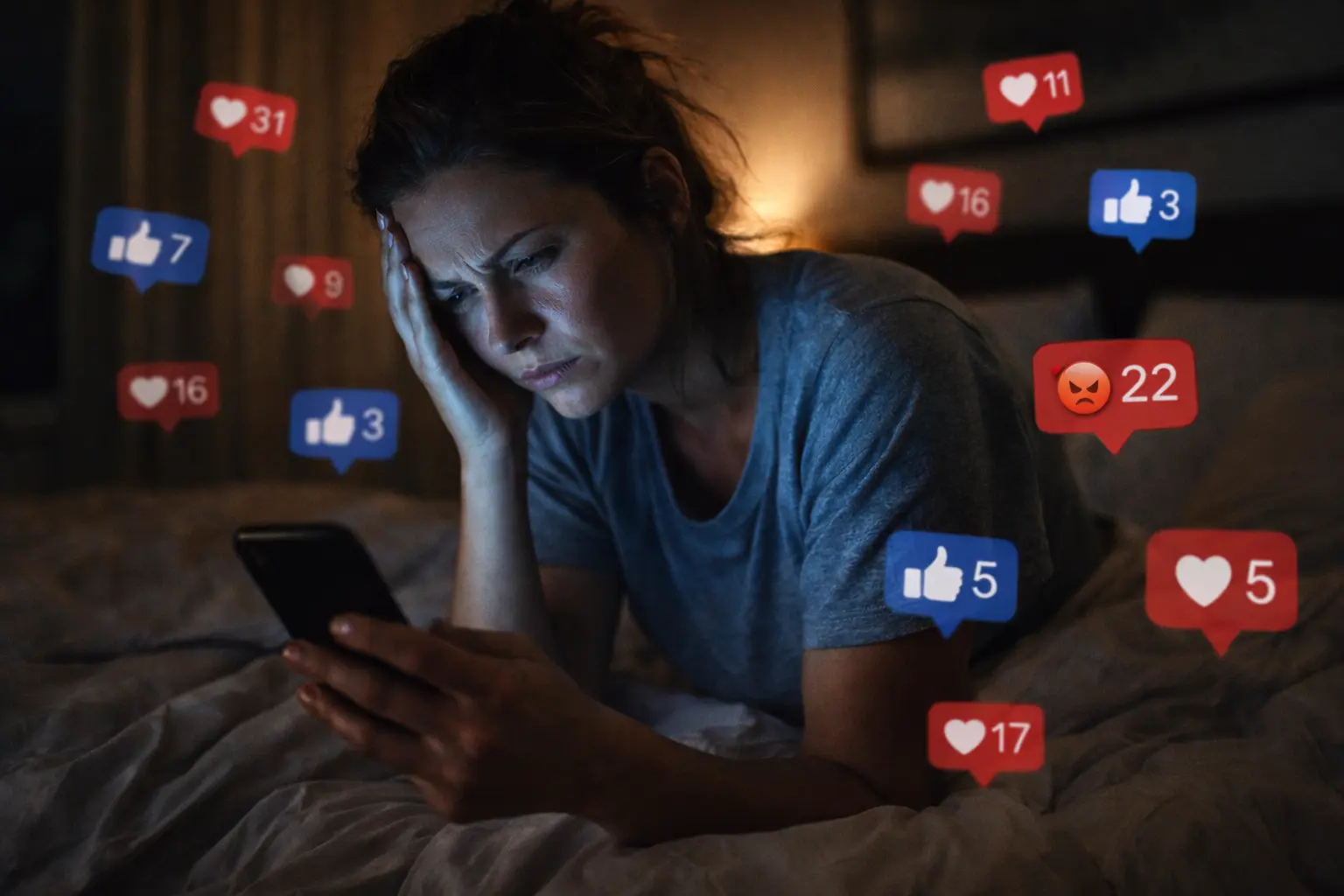
You scroll through Facebook for ten minutes and suddenly feel like your life is somehow smaller, less interesting, less valuable than everyone else’s, and that right there is exactly why social media harms health, especially for those of us who remember life before the constant comparison trap.
Emotional toll of social media
Think back to the last time you spent an hour on social media and felt genuinely better afterward. For most seniors, that memory doesn’t exist. Instead, what happens is subtle but powerful: you see photos of grandchildren’s achievements, friends’ vacations, milestone celebrations, and without realizing it, your mind starts comparing. Your retirement feels less adventurous. Your daily life feels less worthy of sharing. This constant comparison creates a slow-burning anxiety that many seniors don’t even recognize as coming from their phone. One retired teacher I know found herself feeling depressed after seeing her college roommate’s travel photos, even though she was perfectly content with her own life moments before. The emotional weight builds quietly, turning into persistent self-doubt and a nagging sense of inadequacy that follows you from the kitchen to the bedroom.
- Increased anxiety and stress levels
- Negative impacts on self-esteem and confidence
- Distorted sense of reality and social relationships
Digital fatigue and sleep disruption
It starts innocently enough. You pick up your tablet after dinner to check one message, and suddenly it’s midnight. The blue light from the screen has been flooding your eyes for hours, suppressing the melatonin your body needs to feel sleepy. Your mind is still processing the stream of information, notifications, and emotional reactions from what you’ve seen. Many seniors find themselves lying awake, replaying conversations from posts or worrying about comments they made. The sleep disruption becomes a vicious cycle: poor sleep makes you more irritable and anxious, so you reach for your phone to distract yourself, which disrupts sleep even more. A grandfather told me he started using his phone in bed to help him relax, but instead found himself waking at 3 AM unable to fall back asleep, leading to exhaustion that affected his entire day and his ability to enjoy time with his family.
💬 Ready to feel better in 2 minutes?choose where to begin:
Physical health concerns
Your body wasn’t designed to stay still for hours while your eyes focus on a small screen. When you’re absorbed in scrolling, you’re not moving, not stretching, not engaging your muscles. For seniors, this sedentary behavior compounds existing mobility challenges and can accelerate physical decline. The eye strain from extended screen time creates real discomfort: headaches that linger, tired eyes that feel gritty, blurred vision that makes reading books or watching television less enjoyable. One woman in her seventies realized she’d stopped her evening walks because she was too engaged with social media during her usual walking time. Within months, she noticed her knees felt stiffer, her energy dropped, and her doctor expressed concern about her decreased activity levels. The physical toll isn’t dramatic or sudden, but rather a gradual erosion of the strength and mobility that keeps seniors independent and active.
Cybersecurity and privacy risks
Seniors are not just scrolling through cat videos and family photos. They’re also targets for sophisticated scams designed specifically to exploit trust and familiarity. A scammer creates a fake profile impersonating a grandchild in distress, requesting urgent money. Another poses as a bank or government agency, requesting personal information through private messages. These aren’t abstract threats. A retired accountant lost fifteen thousand dollars to someone who convinced her they were her grandson in legal trouble. She felt shame and embarrassment afterward, but the real damage extended beyond finances into her sense of safety online and her willingness to trust digital communication. Seniors often grew up in an era of face-to-face trust and straightforward interactions, making them vulnerable to the sophisticated manipulation tactics used online. The emotional distress from falling victim to these scams can be as damaging as the financial loss itself.
The emotional toll, digital fatigue, physical health concerns, and cybersecurity risks associated with social media highlight the need for seniors to approach online platforms with caution. It’s essential to be mindful of the potential negative effects and take proactive steps to safeguard mental and physical well-being while engaging with social media.
How can seniors reduce the negative impact of social media on their health?
Seniors can limit their screen time, curate their social media feeds to follow positive and inspiring accounts, and take regular breaks to engage in offline activities that promote mental and physical well-being.
What signs indicate that social media is harming a senior’s health?
Signs include increased anxiety, sleep disturbances, physical discomfort from prolonged screen time, and falling victim to online scams or fraudulent activities. It’s important for seniors to recognize these signs and seek support or make necessary changes.
Others also read:
Disclaimer: This article is for informational purposes only and is not a substitute for professional medical advice. Always consult a healthcare professional for personal guidance.
This article presents an experience-based perspective and has been reviewed by the GlobalHealthBeacon editorial team in 2026. It provides structured, evidence-based information to support informed health decisions.
