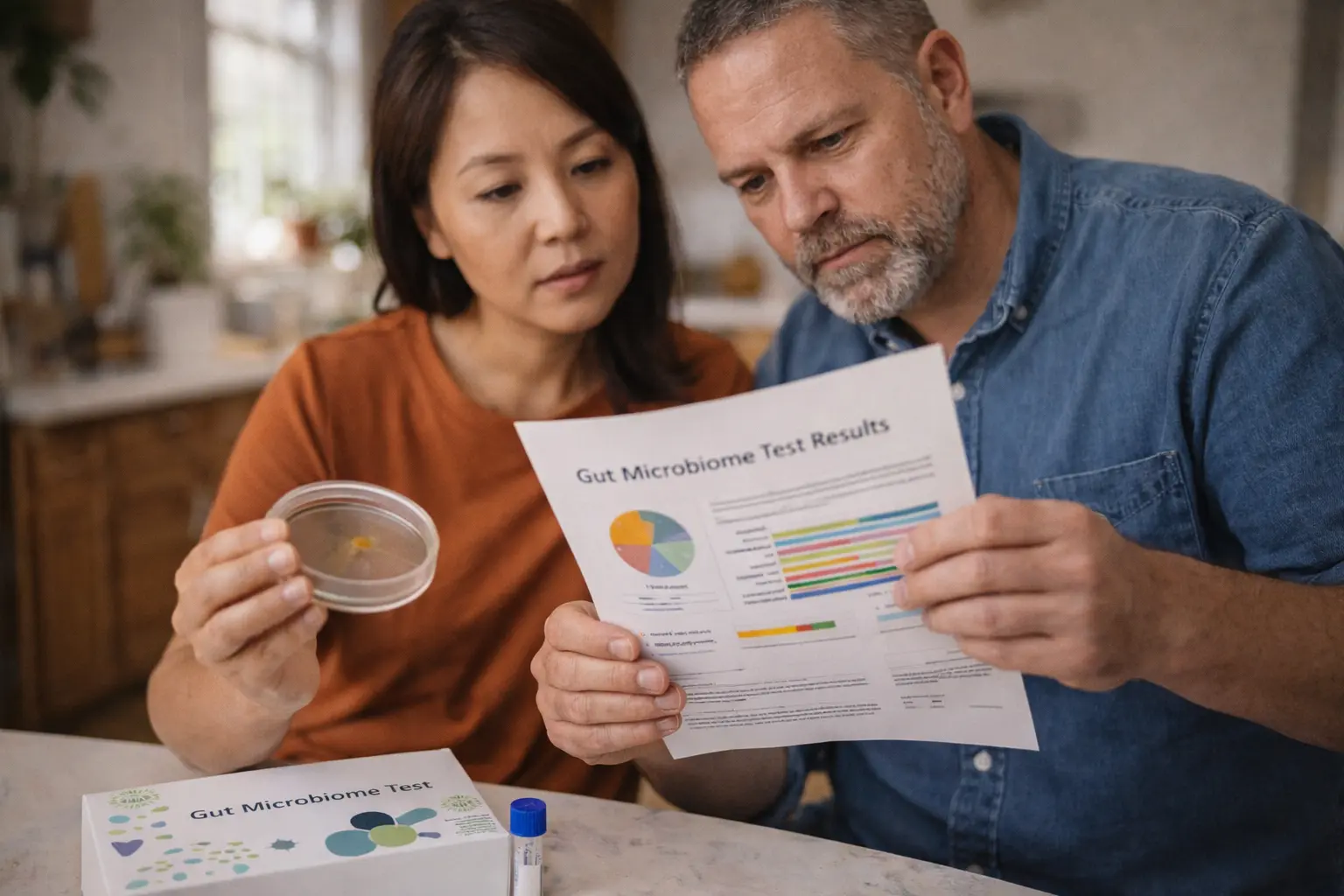
Your gut feels off, bloating won’t quit, and you’re wondering if a microbiome test could finally explain what’s happening inside, but how do you know if gut microbiome test accuracy is actually worth trusting?
Understanding microbiome testing
Microbiome testing represents a fascinating window into the microscopic world living inside your digestive tract. When you submit a sample for analysis, researchers are essentially cataloging trillions of bacteria, fungi, and other microorganisms that call your gut home. Think of it like taking a census of an entire city, except this city exists within your intestines and directly influences everything from your energy levels to your mood. The test works by extracting DNA from your stool sample and identifying which species are present and in what quantities. For young adults, this information can be particularly revealing because your microbiome is still developing and responding to lifestyle choices like diet, stress, and exercise. Understanding what lives in your gut helps explain why two people eating the same meal might experience completely different digestive outcomes. The composition of your microbiota acts like a fingerprint, unique to you and constantly shifting based on your daily habits and environment.
Factors affecting accuracy
The accuracy of your microbiome test depends on a surprisingly long chain of events, each one capable of introducing small errors that compound over time. Sample collection is the first critical point, because how you gather and store your stool sample dramatically affects what the lab actually analyzes. If your sample sits at room temperature for days before reaching the lab, certain bacteria begin dying off while others proliferate, skewing the entire picture. Processing techniques matter enormously too, because different labs use different extraction methods and sequencing technologies that can yield slightly different results from the same sample. Some labs use 16S rRNA sequencing, which identifies bacteria but misses fungi and viruses, while others employ metagenomics for a more complete picture. The technology itself has limitations, as some microorganisms are easier to detect than others, and rare species might be missed entirely. Environmental factors during transport, the expertise of lab technicians, and even the specific chemicals used in sample preparation all influence your final results. Young adults should understand that microbiome testing is powerful but not perfect, and results should be interpreted as trends rather than absolute truths.
Reliability of microbiome tests
Building confidence in your microbiome test results requires understanding three foundational pillars that determine whether the information you receive is actually trustworthy. Sample collection precision starts the moment you receive your kit, because proper technique directly impacts what the lab can accurately identify. When collecting your sample, you need to avoid contamination from toilet water, use the provided sterile swab correctly, and immediately place it in the stabilizing buffer included in your kit. Many people make the mistake of waiting too long after collection or not following storage instructions, which degrades the sample quality before analysis even begins. Automation in laboratory processing is the second pillar, because machines perform repetitive tasks with consistency that humans simply cannot match. Reputable labs use automated DNA extraction, library preparation, and quality control checks that reduce human error and ensure every sample receives identical treatment. The third pillar involves advanced sequencing technology like metagenomics or high-throughput 16S rRNA sequencing, which can identify thousands of bacterial species and provide quantitative data about their abundance. Labs using cutting-edge equipment and regularly updating their protocols tend to produce more reliable and detailed results that better reflect your actual microbiome composition.
- Ensure correct sample collection techniques by following kit instructions precisely and avoiding contamination.
- Select reputable labs that use automated processes and maintain quality control standards.
- Opt for labs employing cutting-edge sequencing technologies like metagenomics for comprehensive analysis.
🔬 Science-backed benefits in 2 minuteschoose where to begin:
Interpreting microbiome data
Receiving your microbiome test results can feel overwhelming because the data arrives in formats designed for researchers, not everyday people trying to understand their gut health. Your report might show alpha diversity scores, beta diversity comparisons, and abundance percentages for dozens of bacterial families, which means almost nothing without proper context and explanation. This is where professional interpretation becomes invaluable, because a healthcare provider or registered dietitian who understands microbiome science can translate raw data into actionable insights relevant to your specific situation. For example, if your results show low Faecalibacterium prausnitzii levels, a specialist can explain that this bacterium produces short-chain fatty acids important for gut lining health, and discuss why your levels might be low based on your diet and lifestyle. They can also help you avoid common misinterpretations, like assuming that a single low bacterial count means you have a serious problem when it might simply reflect normal variation. Young adults often want to make immediate dietary changes based on test results, but without professional guidance, you might eliminate foods that actually support your unique microbiome composition. The data becomes truly useful only when interpreted through the lens of your complete health picture, including your symptoms, medical history, medications, and personal goals.
Future of microbiome analysis
The microbiome research field is advancing at an extraordinary pace, with new discoveries emerging constantly that will reshape how we understand and optimize gut health. Current limitations in testing accuracy are being addressed through improved sequencing technologies that can detect rarer species and provide more precise quantification of bacterial abundance. Researchers are developing standardized protocols and reference databases that will allow results from different labs to be compared directly, something that currently remains challenging. Artificial intelligence and machine learning are beginning to play roles in analyzing microbiome data, identifying patterns that humans might miss and predicting how specific interventions might affect your unique microbial composition. Within the next five to ten years, microbiome testing will likely become more affordable and accessible, making it a routine part of preventive health screening for young adults. The real revolution will come when we move beyond simply identifying what bacteria you have toward understanding exactly how your specific microbiome composition influences your individual health outcomes. Personalized interventions based on your microbiome profile, whether through targeted dietary changes, specific probiotics, or other strategies, will become increasingly precise and effective as research progresses.
Key takeaways on microbiome accuracy
Understanding microbiome test accuracy requires recognizing that these tests are powerful tools with real limitations, not magic diagnostic devices that reveal everything about your gut health. The accuracy of your results depends critically on how carefully you collect your sample, which lab processes it, and what technology they use for analysis, meaning you have some control over the quality of information you receive. Advanced sequencing technologies and automated laboratory processes have made microbiome testing far more reliable than it was just a few years ago, but results should still be interpreted as trends and patterns rather than absolute measurements. For young adults, the most valuable approach is viewing your microbiome test as one piece of a larger health puzzle, combining the results with information about your symptoms, dietary habits, stress levels, and lifestyle choices. Professional interpretation of your results dramatically increases their usefulness, because the raw data alone tells an incomplete story without context and expertise. Moving forward, staying informed about microbiome science and working with qualified healthcare providers will help you leverage these tests effectively for optimizing your gut health and overall wellbeing.
Microbiome tests offer valuable insights into gut health through detailed analysis of intestinal microorganisms, but their accuracy depends on precise sample collection, advanced laboratory processing, and professional interpretation. Understanding the factors influencing test reliability helps young adults use this information effectively for optimizing their individual gut health strategies and making informed decisions about dietary and lifestyle changes.
Are microbiome tests 100% accurate in assessing gut health?
Microbiome tests provide valuable insights into gut health, but like any diagnostic tool, they have limitations. Factors such as sample handling, laboratory processing methods, sequencing technology, and individual variation can influence the accuracy of results. Tests are best viewed as trend indicators rather than absolute measurements of your microbiome composition.
Can microbiome tests identify specific health issues?
Microbiome tests can indicate general trends and imbalances in gut health, but they are not diagnostic tools for specific health conditions. While certain microbiome patterns correlate with various health states, the relationship is complex and individual. Consultation with healthcare professionals is crucial for proper interpretation of test results and determining whether observed patterns relate to your specific symptoms or concerns.
Others also read:
Disclaimer: This article is for informational purposes only and is not a substitute for professional medical advice. Always consult a healthcare professional for personal guidance.
This article has been prepared and reviewed by the GlobalHealthBeacon editorial team and is based on current medical research and published scientific literature available in 2026. It provides structured, evidence-based information to support informed health decisions.
