Part of: Gut Health
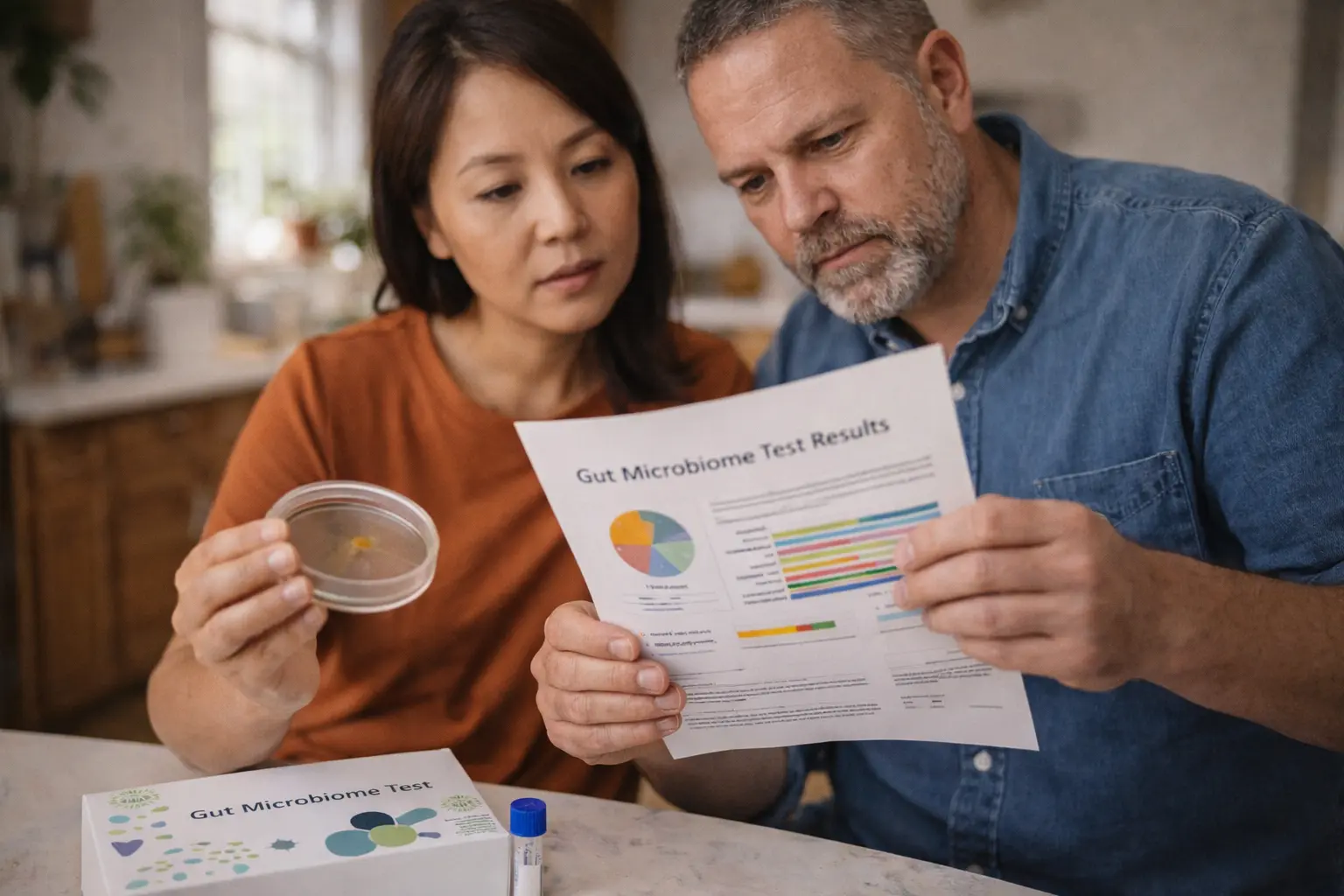
Gut microbiome testing has emerged as a popular health trend, with direct-to-consumer companies offering at-home kits that promise insights into digestive health, immune function, and overall wellness. However, the accuracy and clinical value of these tests remain subjects of significant scientific debate. Understanding what microbiome tests can and cannot reliably measure is essential for anyone considering whether to invest in them.
The primary challenge in evaluating gut microbiome test accuracy lies in the lack of standardization across the industry. Different testing companies use varying methodologies, analytical approaches, and interpretation frameworks, often producing inconsistent results when analyzing identical samples. Furthermore, no current microbiome tests have received FDA approval for clinical diagnosis or treatment recommendation, and the scientific community continues to grapple with fundamental questions about how microbiota composition translates to health outcomes. This gap between what tests measure and what they can meaningfully predict creates uncertainty about their practical utility.
Research consistently demonstrates significant variability in microbiome test results, with studies showing that results differ not only between providers but also sometimes between repeated tests from the same company. These limitations stem from technical factors in sample collection and processing, as well as the inherent complexity and individuality of the human microbiome. Additionally, the scientific understanding of which specific bacterial compositions indicate health or disease remains incomplete, making it difficult for test providers to deliver actionable insights based on results.
This collection of resources explores gut microbiome test accuracy comprehensively, examining the science behind testing methodologies, evaluating real-world experiences across different demographics, and analyzing what research actually reveals about reliability and limitations. The materials address persistent questions about whether microbiome tests are worth the investment, how results should be interpreted, and what realistic expectations users should hold. By synthesizing scientific evidence with practical considerations, these resources help readers make informed decisions about microbiome testing and understand both its potential and its current boundaries.
This article explains that current gut microbiome tests often produce inconsistent results between providers and are not standardized or approved for clinical diagnosis, highlighting major limitations in accuracy. → Click here
Explore the latest gut health industry data:
Gut Health Industry Report 2026: Statistics, Trends & Market Data