Part of: Digital Health
Telemonitoring blood pressure effectiveness refers to the demonstrated ability of remote patient monitoring systems to improve hypertension management and clinical outcomes across diverse patient populations. As healthcare increasingly shifts toward digital and remote care modalities, understanding whether telemonitoring actually delivers measurable results has become essential for patients, clinicians, and healthcare decision-makers evaluating the adoption and implementation of these technologies.
Clinical evidence increasingly supports the effectiveness of blood pressure telemonitoring in reducing hypertension levels and improving disease control. Research demonstrates that remote monitoring programs, when properly integrated with clinical workflows and patient engagement strategies, produce clinically meaningful reductions in blood pressure readings and contribute to better long-term health outcomes. These benefits extend beyond individual health metrics to include reduced hospitalizations, improved medication adherence, and enhanced patient satisfaction with their care management.
The effectiveness of telemonitoring varies across different demographic groups, life stages, and clinical contexts. Young adults, women, and seniors each experience distinct benefits and face unique implementation considerations when adopting home blood pressure monitoring technologies. Understanding how telemonitoring applies to specific populations—from establishing healthy monitoring habits in younger patients to managing chronic hypertension in older adults—is critical for optimizing its real-world impact and ensuring equitable access to these tools.
This overview section synthesizes evidence-based research, clinical insights, and practical implementation guidance to address core questions about telemonitoring effectiveness. The curated collection of articles explores the science behind remote monitoring, examines efficacy across patient populations, presents real-world implementation experiences, and provides step-by-step strategies for successfully integrating telemonitoring into daily health management routines. Together, these resources offer comprehensive coverage of telemonitoring blood pressure effectiveness from both clinical and practical perspectives.
This Mayo Clinic Proceedings article discusses how remote patient monitoring programs, including blood pressure telemonitoring, improve hypertension control and clinical outcomes while remaining scalable in real-world healthcare settings. → Click here
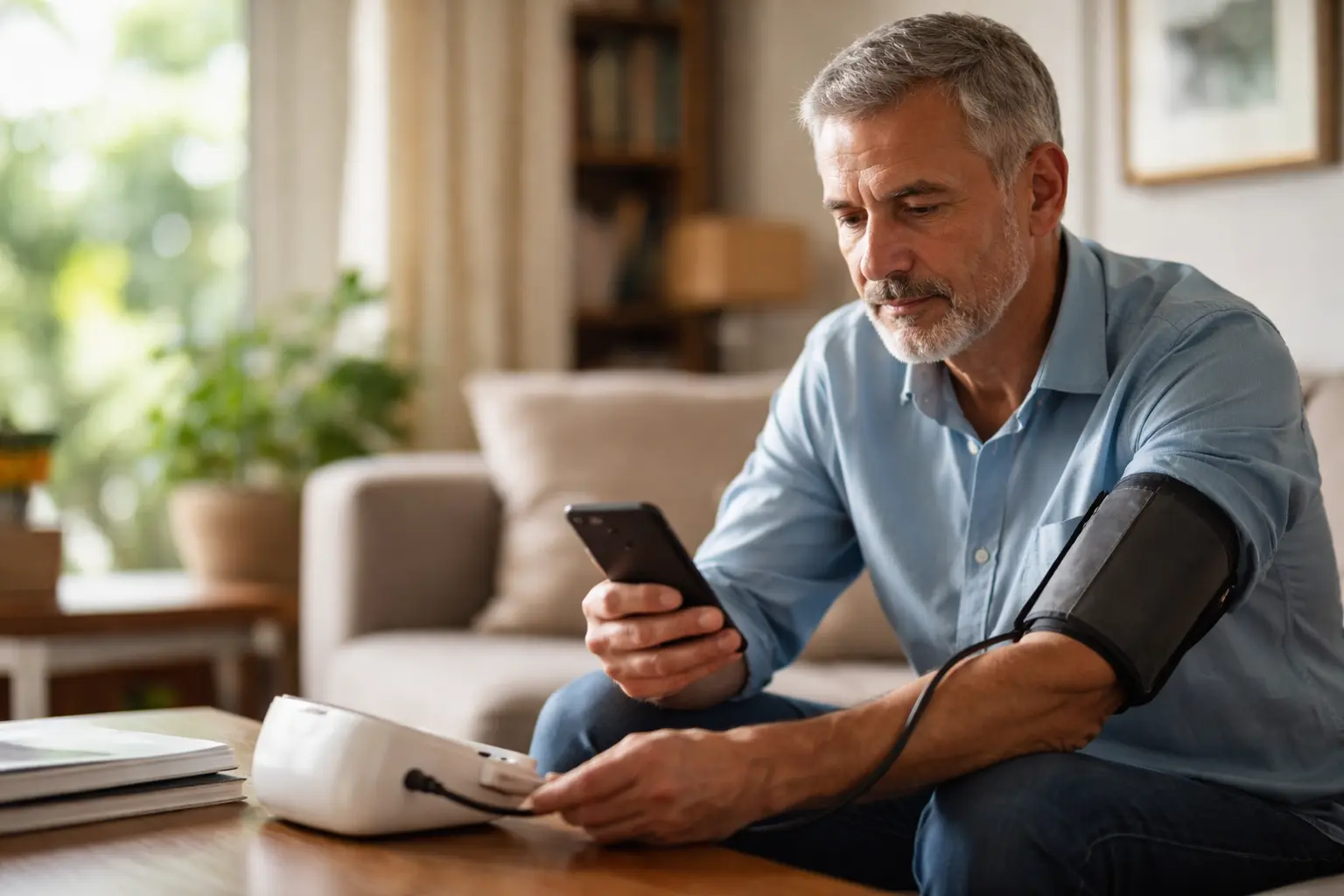
- What Happens When Young Adults Use Home BP Monitors
- Blood Pressure Telemonitoring: The Science for Young Adults
- Does Home Blood Pressure Monitoring Actually Work for Young Adults
- Telemonitoring Effectiveness in Seniors: Data-Driven Insights
- Women: Step-by-Step Home Blood Pressure Monitoring Strategy
