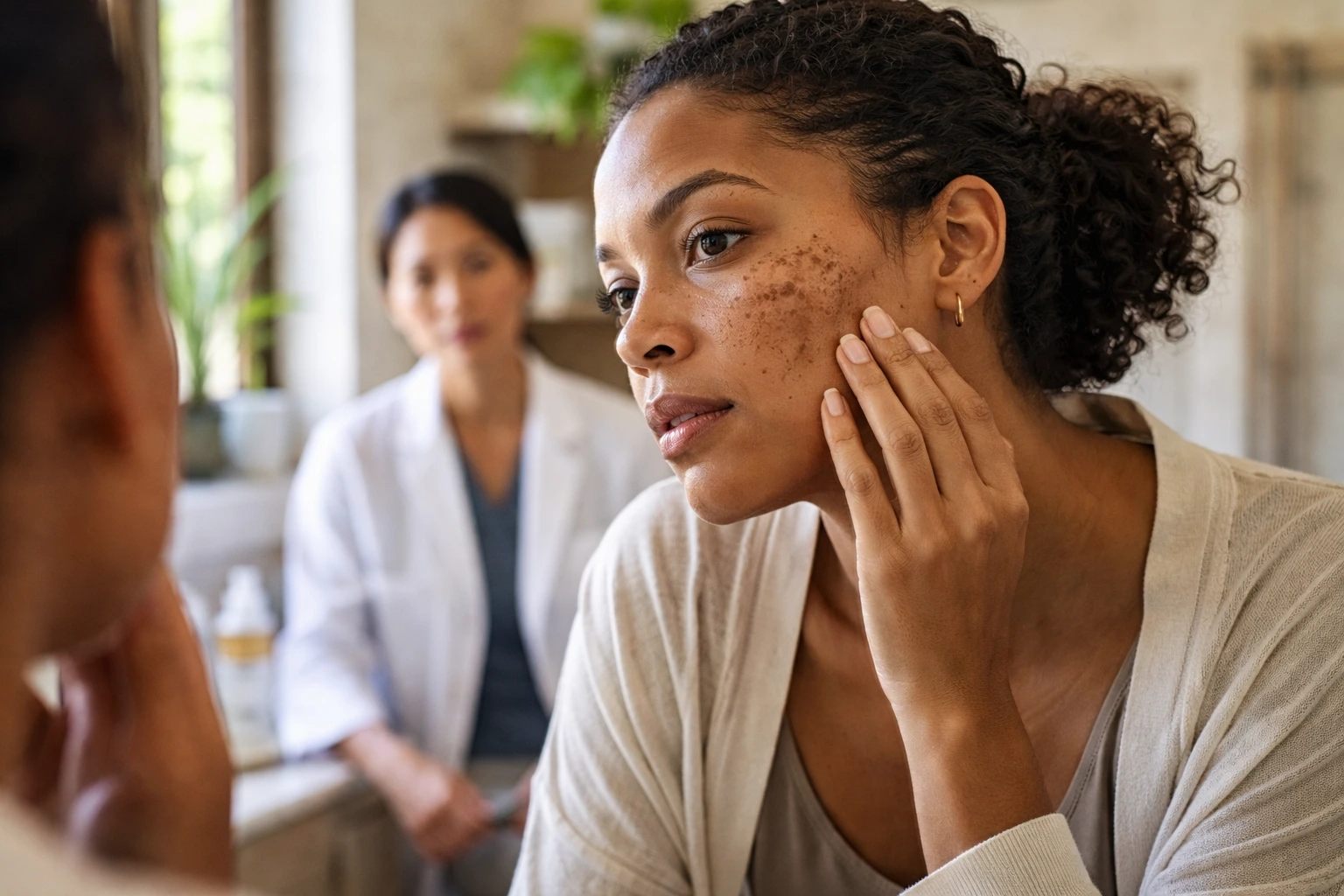
That burning, tingling sensation that suddenly appears on one side of your body, followed by an angry red rash that turns into fluid-filled blisters, is shingles rash symptoms hitting you hard, and it’s more common in seniors than you might think.
Understanding the symptoms
Shingles rash symptoms don’t announce themselves politely. Most people first notice a burning, tingling, or numb sensation in a specific area, often on the chest, back, or face. Within a few days, a red rash emerges in that exact spot and quickly develops into clusters of fluid-filled blisters. The rash typically stays on one side of your body, which is actually a key way doctors identify shingles. Beyond the visible rash, you might experience fever, headache, fatigue, and general body aches that feel similar to the flu. Some seniors describe it as a combination of sunburn pain mixed with electric shocks. The intensity varies greatly from person to person. For example, one senior might have mild itching and manageable pain, while another experiences severe burning that makes even light clothing unbearable. The blisters usually crust over within 7 to 10 days, but the pain can linger much longer.
- Pain or itching in a specific area of the skin
- Red rash that turns into blisters filled with fluid
- Flu-like symptoms such as fever, headache, and fatigue
Seeking medical advice
The moment you suspect shingles rash symptoms, contact your healthcare provider. Timing matters significantly here. Antiviral medications like acyclovir, valacyclovir, or famciclovir work best when started within 72 hours of the rash appearing, so don’t wait. Your doctor will likely ask about your symptoms, examine the rash, and may take a sample to confirm it’s shingles. They’ll discuss your medical history, current medications, and any previous episodes. Early treatment can reduce the severity of pain, shorten the duration of the rash by several days, and most importantly, lower your risk of developing postherpetic neuralgia, a painful complication that can persist for months or even years. Your healthcare provider might also recommend pain management strategies tailored to your situation, whether that’s prescription pain relievers, topical creams, or other approaches. Don’t assume it will go away on its own. Professional guidance makes a real difference in your recovery.
📘 Fix your day in under 2 minuteschoose where to begin:
Managing discomfort at home
While waiting for medication to take effect or as a complement to treatment, home care strategies can significantly ease your discomfort. Keep the affected area clean and dry, washing gently with mild soap and patting dry rather than rubbing. Wear loose-fitting, soft clothing made from natural fabrics like cotton that won’t irritate the blisters. Apply cool compresses for 15 to 20 minutes several times a day to reduce itching and pain, though avoid ice directly on skin. Over-the-counter pain relievers like acetaminophen or ibuprofen can help manage pain and reduce inflammation, but check with your doctor first if you take other medications. Some seniors find relief with topical treatments like calamine lotion or hydrocortisone cream applied to the rash. Avoid scratching at all costs, even though the itching can feel unbearable, because scratching introduces bacteria and can lead to infection. Consider taking lukewarm oatmeal baths, which many find soothing. Keep your environment cool and stress-free, as stress can intensify pain. These measures won’t cure shingles, but they create an environment where your body can heal more comfortably.
Preventing the spread of shingles
Shingles itself is not contagious in the traditional sense, but the varicella-zoster virus inside the blisters can spread to people who have never had chickenpox or the varicella vaccine, potentially causing chickenpox in them. To protect others, keep the rash covered with clean, dry bandages or clothing. Avoid direct contact with anyone who falls into that vulnerable group, particularly young children, pregnant women, and immunocompromised individuals. Wash your hands thoroughly after touching the rash or changing bandages. Don’t share towels, razors, or other personal items that might contact the blisters. Once the blisters have crusted over completely, the virus is no longer contagious, so you can resume normal contact. Most healthy adults you encounter have had chickenpox or are vaccinated, so your risk of spreading it is lower than you might fear. However, taking these precautions shows care for those around you and prevents unnecessary exposure. Practice good hygiene consistently throughout your illness, and you’ll significantly reduce any transmission risk.
Recovery and follow-up care
Most cases of shingles rash resolve within 2 to 4 weeks, with the blisters crusting over and gradually fading. However, recovery isn’t always straightforward. Some seniors experience lingering pain called postherpetic neuralgia, which can persist for months or even years after the rash disappears. This complication is more common in people over 60, so follow-up care becomes essential. Schedule a follow-up appointment with your healthcare provider even if you’re feeling better, so they can monitor your progress and address any lingering symptoms. If you develop persistent pain, discuss additional pain management strategies with your doctor, which might include nerve blocks, topical treatments, or other therapies. Keep track of your symptoms as you heal, noting when pain decreases and when the rash fades. Some seniors benefit from physical therapy or counseling if the experience has affected their mental health or daily functioning. Stay patient with yourself during recovery. Healing takes time, and your body has been through a significant health event. Maintain contact with your healthcare team if anything feels unusual or if pain doesn’t improve as expected.
Shingles rash symptoms manifest as pain, itching, and fluid-filled blisters accompanied by flu-like symptoms. Prompt medical attention, home care measures, and prevention of spread are vital aspects of managing shingles. Recovery may vary, with some individuals experiencing postherpetic neuralgia.
Can shingles rash symptoms recur?
While most individuals experience shingles only once, it is possible for the virus to reactivate, leading to recurrent episodes of shingles rash symptoms. Recurrence is less common but can happen, particularly in people with weakened immune systems.
Are there vaccines available to prevent shingles?
Yes, vaccines such as Zostavax and Shingrix are recommended for individuals over the age of 50 to prevent shingles and reduce the severity of symptoms if the condition does occur. Shingrix is the newer, more effective option.
Others also read:
Disclaimer: This article is for informational purposes only and is not a substitute for professional medical advice. Always consult a healthcare professional for personal guidance.
This guide has been prepared and reviewed by the GlobalHealthBeacon editorial team and reflects current medical research as of 2026. It provides structured, evidence-based information to support informed health decisions.
