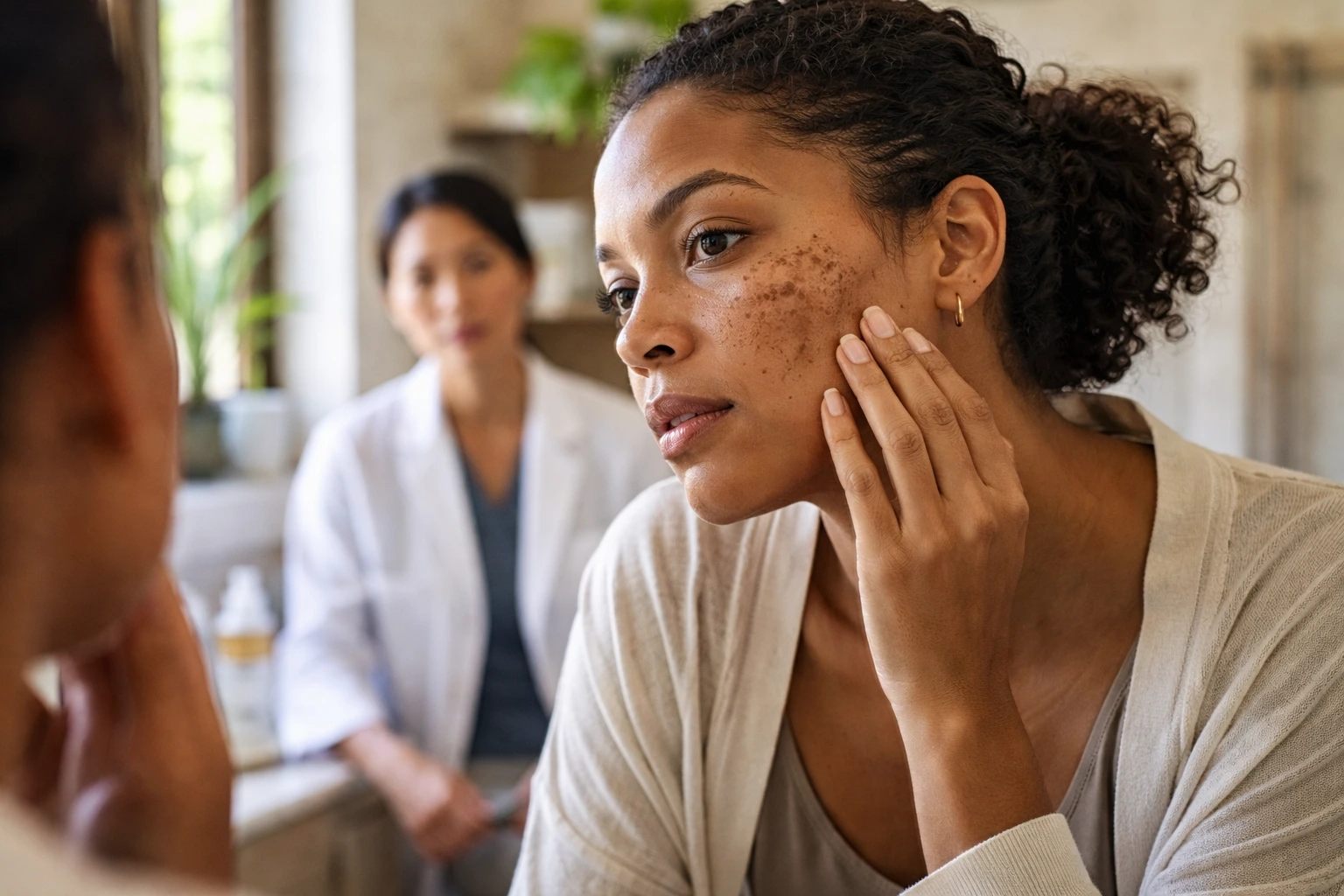
That burning, tingling sensation spreading across your skin followed by an angry red rash is terrifying when you’re young and thought you had decades before worrying about shingles rash symptoms, but the reality is this virus doesn’t care about your age.
What does shingles rash look like?
The shingles rash typically begins with a tingling or burning sensation that can feel like pins and needles under your skin, sometimes for days before anything visible appears. Then comes the red rash, which develops into clusters of fluid-filled blisters that often appear in a band or strip pattern, usually on one side of your body. These blisters are genuinely painful and can break open, forming crusts that eventually scab over. Picture this scenario: a young adult notices a burning sensation on their left side near the ribs. Within 24 to 48 hours, a red patch emerges, followed by small, clustered blisters filled with clear fluid. The progression from tingling to visible rash typically takes 3 to 5 days. While shingles can appear anywhere on the body, it most commonly occurs on one side of the torso, along the ribcage, or on the face and neck area. The rash usually stays contained to one area rather than spreading across your entire body, which is one key way to distinguish it from other conditions.
- Initial tingling or burning sensation that may last days before rash appears
- Red rash developing into fluid-filled blisters in a band or strip pattern
- Painful blisters that may burst and crust over within 7 to 10 days
Identifying shingles rash symptoms
Beyond the distinctive rash itself, shingles commonly presents with flu-like symptoms that can make you feel genuinely unwell. You might experience fever, headache, fatigue, chills, or body aches that feel similar to the flu or a bad cold. Some people report sensitivity to light or general malaise that makes them want to stay in bed. Here’s what matters: if you notice these systemic symptoms alongside the localized rash, especially if the rash follows a specific path on one side of your body, it’s crucial to consult a healthcare professional for proper diagnosis and treatment. The combination of these symptoms is what sets shingles apart from other skin conditions. A young adult might wake up feeling feverish and achy, then discover the telltale rash later that day. Early identification matters because antiviral medications work best when started within 72 hours of rash onset. Don’t wait to see if it goes away on its own or assume it’s just a minor skin irritation.
📘 Fix your day in under 2 minuteschoose where to begin:
Managing shingles rash discomfort
Living with shingles rash discomfort requires a multi-pronged approach that addresses both the physical pain and the emotional toll of dealing with this condition. Start by keeping the affected area clean and dry, which prevents secondary bacterial infections that can complicate healing. Wear loose-fitting clothing made from soft, breathable fabrics like cotton that won’t irritate the blisters. Apply soothing lotions, cool compresses, or calamine lotion to reduce itching and burning sensations. Over-the-counter pain relievers like ibuprofen or acetaminophen can help manage pain, though prescription-strength options may be necessary if discomfort is severe. Consider taking lukewarm baths with colloidal oatmeal, which many people find soothing. Avoid touching or scratching the blisters, even though the urge can be overwhelming, because this can lead to scarring and prolonged healing. Some young adults find that distraction techniques like watching shows, reading, or gentle activities help them cope with the discomfort. The key is addressing multiple aspects of your comfort simultaneously rather than relying on a single strategy.
Seeking medical assistance
If you suspect you have shingles, especially as a young adult, seeking medical attention promptly is not optional but essential. Early treatment with antiviral medications like acyclovir, valacyclovir, or famciclovir can significantly reduce the duration and severity of the illness. These medications work best when started within 72 hours of rash onset, so timing matters tremendously. Your healthcare provider can also assess your risk for complications and recommend appropriate pain management strategies. Early intervention also lowers the risk of postherpetic neuralgia, a painful condition where nerve pain persists long after the rash heals, which can affect quality of life for months or even years. Don’t assume that because you’re young, you’ll automatically have a mild case or quick recovery. Some young adults experience severe pain, extended healing times, or complications that require professional management. Schedule an appointment with your doctor or visit an urgent care clinic as soon as you suspect shingles. Be prepared to describe when symptoms started, where the rash is located, and what other symptoms you’re experiencing. This information helps your provider make an accurate diagnosis and recommend the most appropriate treatment plan for your specific situation.
Preventing shingles rash recurrence
Once you’ve had shingles, the virus remains dormant in your nerve tissue, meaning recurrence is technically possible, though it’s relatively uncommon. To lower your risk of future outbreaks, consider getting vaccinated against shingles with the Shingrix vaccine, which is highly effective at preventing recurrence and complications. Even if you’ve already had shingles, vaccination can still provide protection against future episodes. Beyond vaccination, following a healthy lifestyle plays a crucial role in preventing outbreaks. This means managing stress through exercise, meditation, or activities you enjoy, since stress is a known trigger for shingles reactivation. Prioritize sleep, maintain a balanced diet rich in fruits and vegetables, and avoid smoking and excessive alcohol consumption. Boost your immune system by staying physically active, managing chronic conditions like diabetes or high blood pressure, and getting regular health checkups. Some young adults find that identifying their personal triggers, whether that’s stress, certain foods, or lack of sleep, helps them take preventive action. Think of prevention as an ongoing investment in your health rather than a one-time action. The combination of vaccination plus lifestyle modifications gives you the best chance of avoiding another painful episode.
Shingles rash presents as a painful red rash with fluid-filled blisters that commonly appears on one side of your body, often preceded by tingling or burning sensations. The condition frequently includes flu-like symptoms that shouldn’t be ignored. Identifying symptoms early, seeking medical advice promptly within the first 72 hours, managing discomfort through multiple strategies, and taking preventive measures like vaccination can significantly impact your recovery and reduce the risk of complications or recurrence.
Can shingles rash affect young adults?
Yes, shingles can occur at any age, including young adults, though it’s more common in people over 50. Factors like significant stress, a weakened immune system from illness or medication, previous chickenpox infection, or certain health conditions can trigger shingles in younger individuals. If you’ve had chickenpox, you carry the dormant virus and could potentially develop shingles at any point in your life.
Is shingles rash contagious?
Shingles itself is not contagious, but the virus can spread to people who have not been vaccinated against chickenpox or have not had chickenpox previously. Direct contact with the fluid from the blisters can transmit the varicella-zoster virus, leading to chickenpox in the exposed individual rather than shingles. Once the blisters crust over, the rash is no longer contagious.
Others also read:
Disclaimer: This article is for informational purposes only and is not a substitute for professional medical advice. Always consult a healthcare professional for personal guidance.
This guide has been prepared and reviewed by the GlobalHealthBeacon editorial team and reflects current medical research as of 2026. It provides structured, evidence-based information to support informed health decisions.
