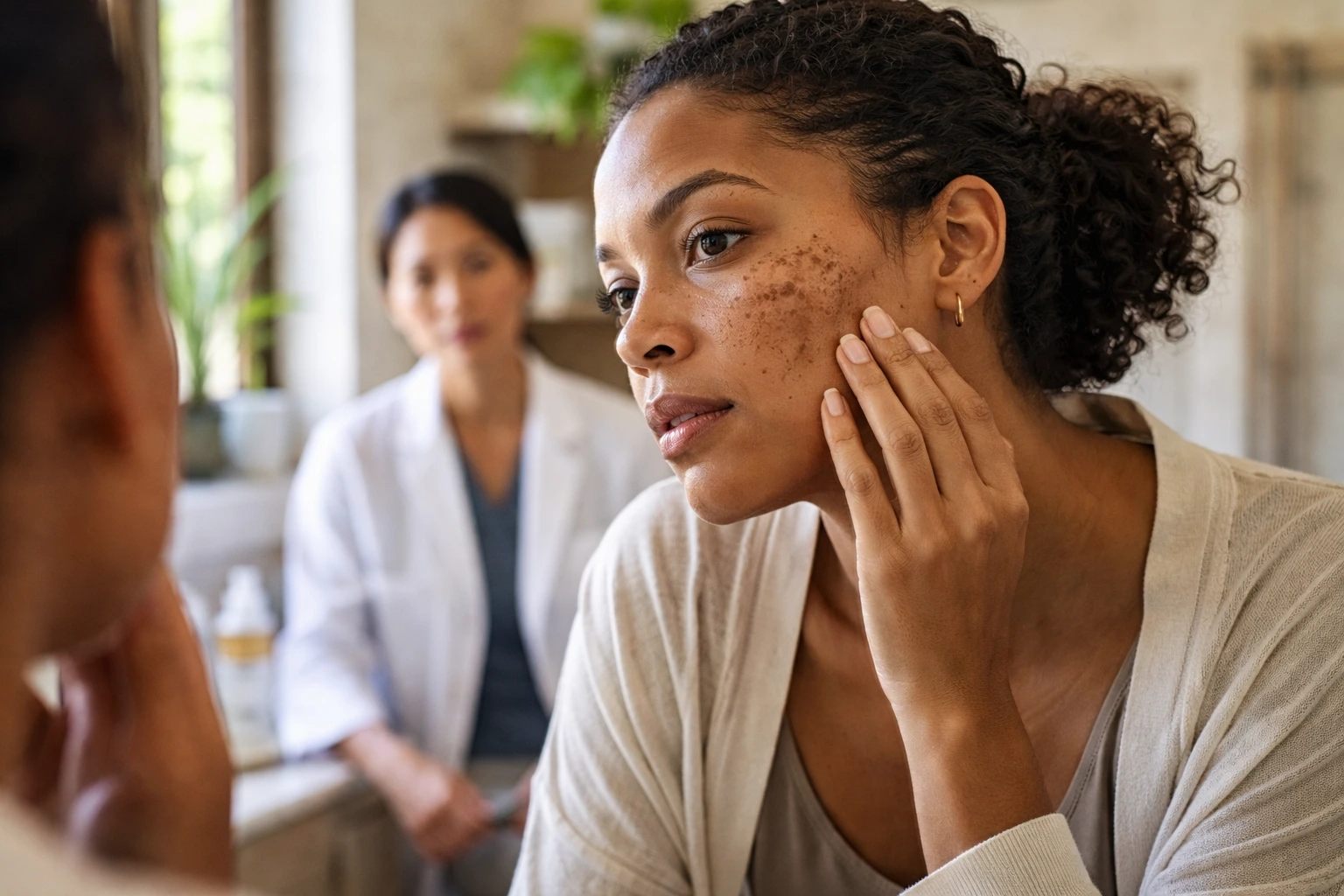
That burning, blistering pain creeping across your skin is shingles rash symptoms, and if you’re a woman over 50, you’re statistically more likely to experience this miserable reactivation of a virus you thought was long gone.
The biology of shingles rash symptoms
Shingles rash emerges from the varicella-zoster virus, the same pathogen responsible for chickenpox during childhood. After your initial chickenpox infection resolves, the virus doesn’t disappear entirely. Instead, it retreats into nerve tissue called dorsal root ganglia, where it remains dormant for decades. Years or even 50 years later, the virus can reactivate and travel along nerve pathways to the skin’s surface, producing the characteristic painful, fluid-filled blisters. This reactivation typically occurs on one side of the body, following the distribution pattern of a single nerve, which is why dermatologists call it a dermatomal pattern. The inflammation and viral activity in the nerve tissue itself causes the intense burning and pain that many women describe as far worse than the original chickenpox infection.
Symptoms and incidence in women
Women face a notably higher risk of developing shingles compared to men, with research indicating approximately 50 percent more cases in women over 60. Hormonal fluctuations during perimenopause and menopause appear to play a significant role, as declining estrogen levels may compromise immune surveillance. Stress, another major trigger, disproportionately affects women managing multiple life roles. The classic presentation begins with localized pain, tingling, or burning sensations that precede the visible rash by several days. Many women report feeling like they have a sunburn or nerve pain before any rash appears. Once the rash emerges, it progresses through stages: red patches develop into fluid-filled blisters, which eventually crust over and heal. Accompanying symptoms often include fatigue, headache, and sensitivity to light, creating a multi-system experience that extends beyond the skin.
Diagnosis and treatment options
Healthcare providers typically diagnose shingles through clinical examination of the characteristic rash pattern and patient history, though laboratory tests like PCR or viral culture can confirm varicella-zoster virus presence if diagnosis is unclear. Early intervention is crucial because antiviral medications like acyclovir, valacyclovir, or famciclovir work most effectively when started within 72 hours of rash onset. These medications reduce viral replication, shorten the duration of active infection, and significantly lower the risk of postherpetic neuralgia, the chronic pain complication that haunts many women long after healing. Pain management typically involves over-the-counter analgesics, topical numbing creams containing lidocaine, or prescription-strength pain relievers depending on severity. Wet compresses and calamine lotion provide symptomatic relief, while keeping the affected area clean prevents secondary bacterial infection. Some women find that loose, soft clothing reduces irritation, and avoiding triggers like stress and poor sleep supports faster recovery.
- Contact your healthcare provider immediately if you suspect shingles, especially within the first 72 hours when antiviral medications are most effective at preventing complications.
- Take prescribed antiviral medications exactly as directed, completing the full course even if you feel better, to maximize viral suppression and reduce long-term nerve damage.
- Manage pain through a combination of prescribed medications, topical treatments, and non-pharmacological approaches like stress reduction, adequate sleep, and gentle movement as tolerated.
🔬 Science-backed benefits in 2 minuteschoose where to begin:
Potential complications and long-term effects
While most shingles cases resolve within two to four weeks, some women experience postherpetic neuralgia, a condition where nerve pain persists for months or even years after the rash heals. This complication occurs in approximately 50 percent of women over 60 and can be profoundly disabling, affecting sleep, mood, and quality of life. The pain may feel like burning, stabbing, or electric sensations in the affected area. Other potential complications include bacterial superinfection of blisters, vision loss if the virus affects the eye area, and rarely, neurological complications like meningitis. Secondary bacterial infections can occur if blisters are scratched or not kept clean, potentially requiring antibiotic treatment. Some women report post-inflammatory hyperpigmentation or scarring in the affected area. Understanding these risks underscores the importance of early treatment and proper wound care to minimize long-term consequences.
Preventive measures and vaccination
The recombinant zoster vaccine, approved for adults 50 and older, offers approximately 90 percent protection against shingles and 97 percent protection against postherpetic neuralgia. This two-dose vaccine works by boosting immune response to varicella-zoster virus without containing live virus, making it safe even for immunocompromised individuals. Beyond vaccination, supporting immune function through consistent sleep, regular physical activity, stress management, and balanced nutrition creates an environment less hospitable to viral reactivation. Women managing chronic conditions like diabetes or autoimmune disorders should discuss vaccination timing with their healthcare providers. Avoiding known triggers like extreme stress, illness, or immunosuppressive medications when possible helps prevent reactivation. Some research suggests that maintaining adequate vitamin D levels and managing inflammation through diet may support immune resilience, though vaccination remains the most evidence-based preventive strategy available.
Research and future perspectives
Current research explores why women experience higher shingles rates and more severe complications than men, with investigations into estrogen’s role in immune regulation and viral latency. Scientists are developing improved vaccines with enhanced durability and effectiveness, including potential therapeutic vaccines designed to prevent reactivation in people with latent infection. Studies examine whether certain biomarkers can predict who will develop postherpetic neuralgia, potentially allowing preventive interventions for high-risk individuals. Researchers also investigate novel pain management approaches for chronic postherpetic neuralgia, including neuromodulation techniques and targeted anti-inflammatory therapies. Understanding the molecular mechanisms of viral reactivation may eventually lead to treatments that prevent the virus from emerging from nerve tissue altogether. These advances promise better outcomes for women affected by shingles and more effective strategies for managing this common but often debilitating condition.
Shingles rash symptoms result from reactivation of the varicella-zoster virus dormant in nerve tissue, causing a painful, blistering rash that typically affects one side of the body. Women face elevated risk due to hormonal changes, stress, and age-related immune shifts. Early diagnosis and antiviral treatment within 72 hours are critical for preventing complications like postherpetic neuralgia. Vaccination offers robust protection for adults 50 and older, while supportive care and lifestyle measures aid recovery. Understanding the biological mechanisms and available interventions empowers women to seek timely treatment and make informed decisions about prevention.
Can shingles affect women differently than men?
Women experience shingles at significantly higher rates than men, particularly after age 60, likely due to hormonal fluctuations, stress patterns, and age-related immune changes. While the basic viral mechanism is identical, women report more severe pain and higher rates of postherpetic neuralgia complications. Symptom presentation and treatment approaches are generally similar, but women’s elevated risk profile warrants earlier medical consultation and consideration of vaccination.
Is shingles contagious to others?
Shingles itself cannot be transmitted from person to person. However, the varicella-zoster virus present in shingles blisters can spread to individuals who have never had chickenpox or received the chickenpox vaccine, causing them to develop chickenpox rather than shingles. This transmission risk is highest when blisters are open and draining, making proper wound coverage and hygiene essential for protecting vulnerable individuals.
Others also read:
Disclaimer: This article is for informational purposes only and is not a substitute for professional medical advice. Always consult a healthcare professional for personal guidance.
This article has been prepared and reviewed by the GlobalHealthBeacon editorial team and is based on current medical research and published scientific literature available in 2026. It provides structured, evidence-based information to support informed health decisions.
