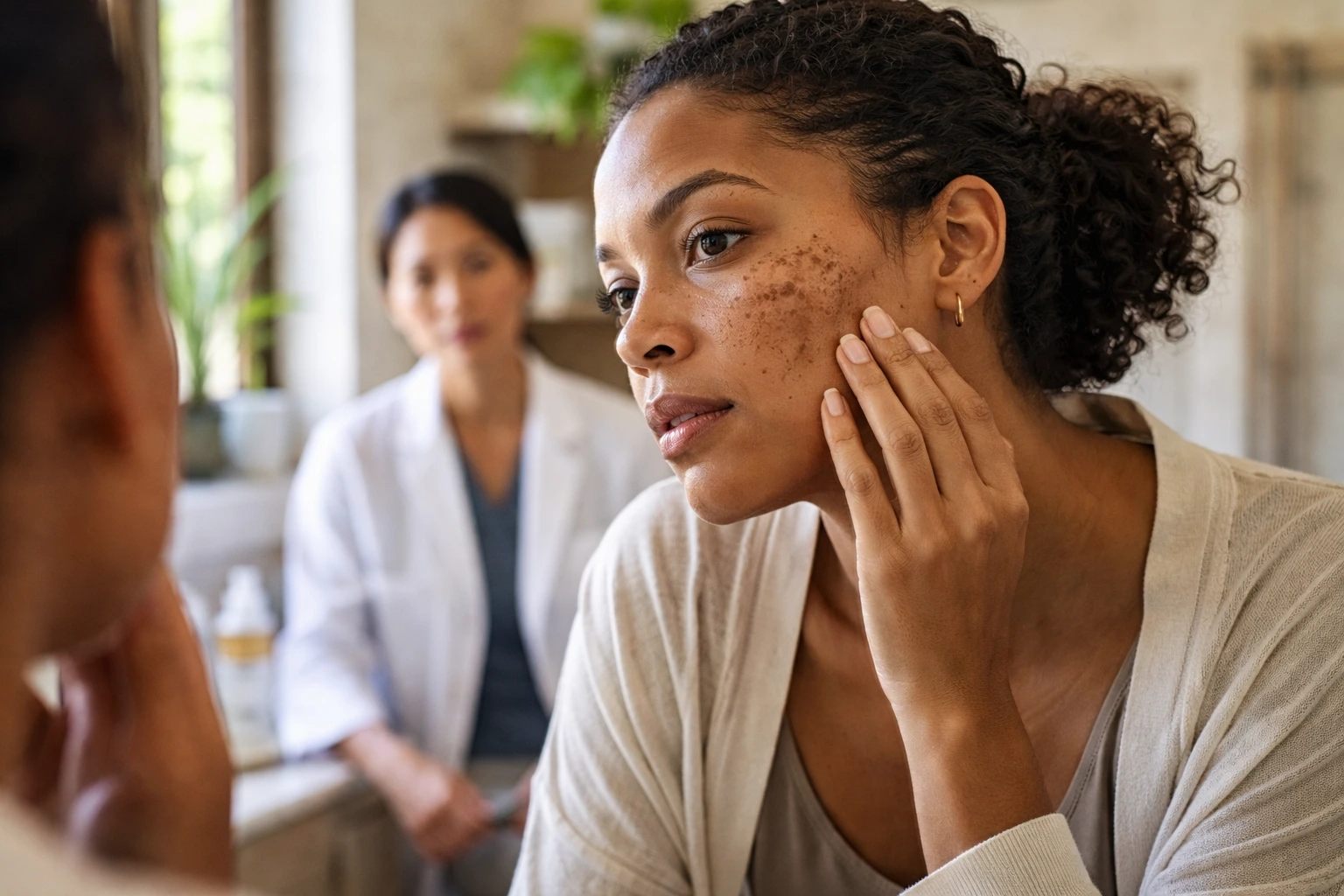
One day you wake up with a burning, tingling sensation that spreads across your side, and within hours those painful fluid-filled blisters appear, turning shingles rash symptoms into your daily reality and making you wonder how long you’ll have to live like this.
Understanding shingles rash symptoms
When shingles rash symptoms first appear, many seniors describe it as a wake-up call they never wanted. It typically starts with a tingling or burning sensation on one side of your body, almost like tiny electric shocks running under your skin. Within a few days, a red rash emerges in that same area, quickly developing into clusters of fluid-filled blisters. These blisters can be incredibly painful, especially when they break open and crust over. Some seniors experience severe itching that keeps them awake at night, while others report heightened sensitivity to touch, where even the gentlest brush of clothing feels unbearable. In more severe cases, numbness can develop alongside the pain, creating a confusing mix of sensations that makes daily activities feel impossible.
- Red, fluid-filled blisters that can break open and crust over
- Pain, burning, or tingling sensation
- Itching, sensitivity to touch
Managing shingles rash discomfort
Managing the discomfort of shingles rash symptoms requires a multi-pronged approach that addresses both immediate relief and longer-term healing. Many seniors find that over-the-counter pain relievers provide baseline comfort, while calamine lotion or hydrocortisone cream can soothe the itching and burning sensation when applied regularly throughout the day. Cool compresses, especially when wrapped in soft cloth and applied for 15 to 20 minutes at a time, offer temporary relief without irritating the blisters further. Keeping the rash clean and dry is crucial to prevent secondary bacterial infections, which can complicate recovery. Your doctor may prescribe antiviral medications like acyclovir or valacyclovir, which work best when started early and can significantly shorten the duration of the rash and reduce its severity. Some seniors also benefit from wearing loose, soft clothing that minimizes friction against the affected area.
💬 Ready to feel better in 2 minutes?choose where to begin:
Coping strategies for seniors
Living with shingles rash symptoms isn’t just physically draining; it takes an emotional toll that’s often overlooked. The constant pain, disrupted sleep, and visible blisters can trigger frustration, anxiety, and even depression in many seniors. That’s why caring for your emotional well-being is just as important as treating the physical symptoms. Relaxation techniques like meditation, deep breathing exercises, or gentle guided imagery can help you manage both stress and pain simultaneously. Some seniors find relief through warm baths with colloidal oatmeal, which soothes the skin while providing a calming ritual. Reaching out to family members, friends, or joining a shingles support group can make a tremendous difference; knowing others have survived this same experience brings real comfort and practical tips. Even simple activities like listening to audiobooks or spending time with loved ones can lift your spirits during the recovery period.
Preventing shingles rash recurrence
Once you’ve experienced shingles rash symptoms, the thought of going through it again is enough to motivate action. The most effective way to prevent recurrence is getting vaccinated with the shingles vaccine, which is recommended for seniors aged 50 and older. This vaccine can reduce your risk of developing shingles by up to 90 percent and significantly decreases the severity and duration if you do get infected. Beyond vaccination, maintaining a strong immune system through consistent lifestyle choices makes a real difference. Eating a balanced diet rich in fruits, vegetables, and proteins gives your body the tools it needs to fight off the virus. Regular exercise, even gentle activities like walking or swimming, boosts immune function and reduces stress. Managing stress through hobbies, social connections, and relaxation practices also supports your immune system’s ability to keep the virus dormant and prevent painful flare-ups.
Shingles rash symptoms can disrupt the daily lives of seniors, causing pain, discomfort, and emotional distress. Understanding the symptoms, managing discomfort, implementing coping strategies, and preventing recurrence through vaccination are vital aspects of living with shingles rash.
How long does a shingles rash typically last?
A shingles rash usually lasts between 2 to 4 weeks. In some cases, pain or itching may persist after the rash has healed, a condition known as postherpetic neuralgia.
Can shingles rash be contagious to others?
Yes, the shingles rash can be contagious to individuals who have not had chickenpox or the chickenpox vaccine. It is important to keep the rash covered and avoid close contact with those who are at risk.
Others also read:
Disclaimer: This article is for informational purposes only and is not a substitute for professional medical advice. Always consult a healthcare professional for personal guidance.
This article presents an experience-based perspective and has been reviewed by the GlobalHealthBeacon editorial team in 2026. It provides structured, evidence-based information to support informed health decisions.
