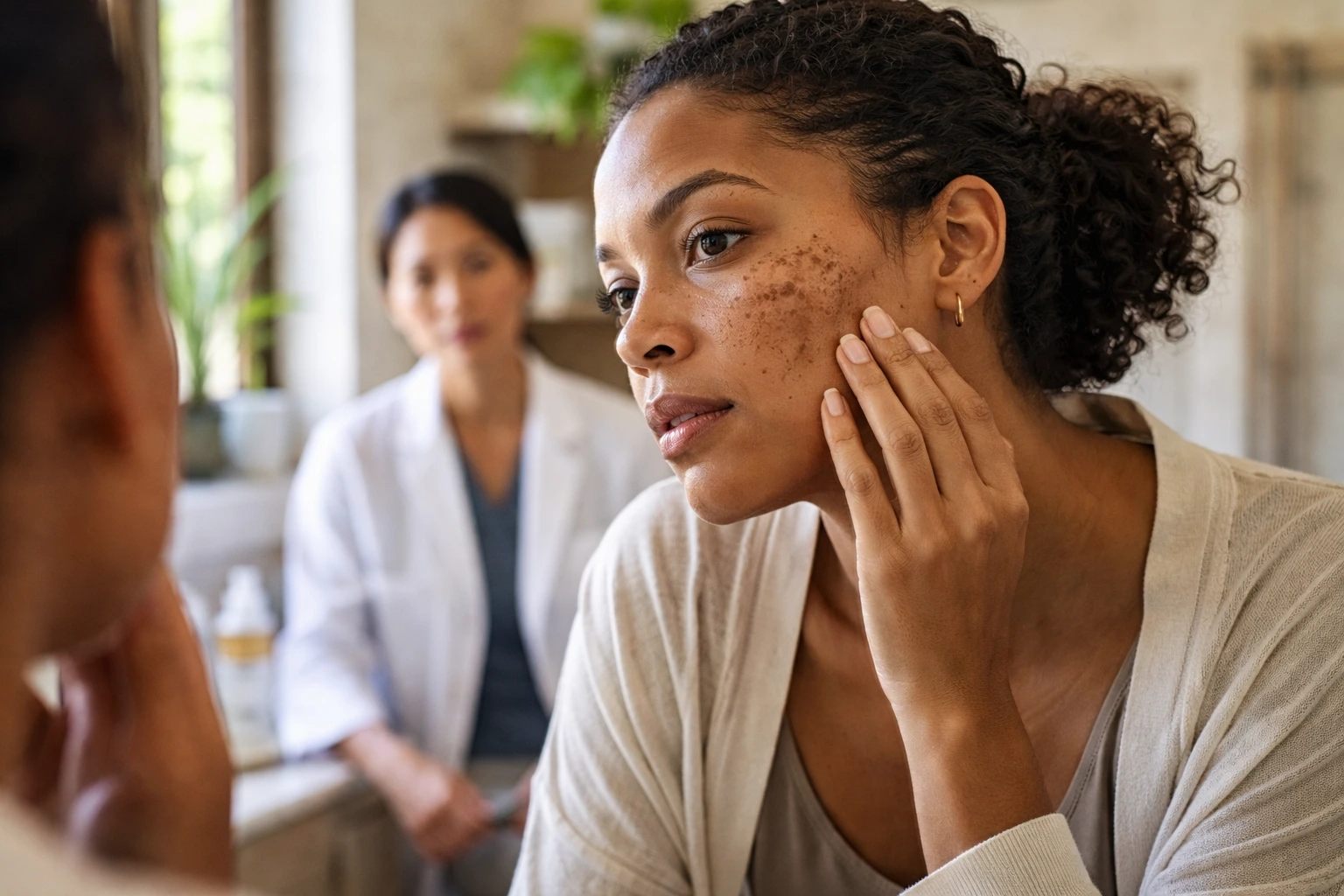
That burning, tingling sensation spreading across your skin followed by a painful rash appearing out of nowhere is your body sending a serious signal, and understanding shingles rash symptoms is the first step to getting relief and preventing complications.
Recognizing shingles rash symptoms
The journey of shingles typically begins days before any visible rash appears. You might notice a sharp, localized pain, burning sensation, or persistent tingling in one specific area on one side of your body, often following the path of a nerve. This prodromal phase is crucial because catching shingles early can make a real difference in how quickly you recover. Imagine waking up with what feels like a sunburn on your left shoulder, but you know you haven’t been outside. That’s often how seniors first experience shingles. Within three to five days, a characteristic blistering rash emerges in the same area, typically appearing as clusters of fluid-filled blisters on reddened skin. The blisters follow a band-like or strip pattern, rarely crossing the body’s midline. Over the next two to three weeks, these blisters gradually fill with fluid, burst, and then crust over as your body works to heal. The pain can range from mild irritation to severe burning that interferes with sleep and daily activities. Understanding this progression helps you recognize when to seek medical help and take action before complications develop.
- Localized pain, itching, or tingling
- Rash typically appears on one side of the body
- Blisters eventually crust over
Managing shingles rash discomfort
Once shingles develops, comfort becomes your priority while your body heals. Start by keeping the affected area scrupulously clean and dry, as moisture creates an environment where secondary bacterial infections can take hold. When you bathe, use lukewarm water and pat the area gently rather than rubbing. Cool compresses applied for fifteen to twenty minutes several times daily can provide significant relief from the burning sensation. Many seniors find that wet cloths kept in the refrigerator work better than ice packs, which can be too intense. Calamine lotion or hydrocortisone cream applied directly to the rash offers soothing relief, though avoid heavy ointments that trap moisture. Over-the-counter pain relievers like acetaminophen or ibuprofen can help manage discomfort, but check with your doctor about interactions with other medications you take. Loose, soft clothing made from natural fibers prevents irritation from fabric rubbing against sensitive skin. Perhaps most importantly, resist the urge to scratch, even when itching feels unbearable. Scratching introduces bacteria, delays healing, and increases the risk of permanent scarring. Some seniors find that keeping their nails short and wearing soft gloves at night helps prevent unconscious scratching during sleep.
📘 Fix your day in under 2 minuteschoose where to begin:
Seeking medical attention
Timing matters significantly when shingles appears. If you suspect shingles based on the symptoms described, contact your healthcare provider within three days of the rash appearing. This window is critical because antiviral medications like acyclovir, valacyclovir, or famciclovir work most effectively when started early, potentially reducing the severity and duration of your infection by several days. Certain situations demand immediate medical attention regardless of timing. If the rash appears near your eyes or on your forehead, you need urgent evaluation because shingles affecting the eye area can threaten your vision. If you experience severe pain that over-the-counter medications cannot control, your doctor can prescribe stronger pain management options. If you have a weakened immune system from conditions like diabetes, cancer treatment, or medications that suppress immunity, early intervention becomes even more important. Your healthcare provider can assess whether you’re at higher risk for complications like postherpetic neuralgia, a condition where nerve pain persists long after the rash heals. They may also recommend additional treatments or preventive strategies tailored to your specific health situation. Don’t minimize your symptoms or delay calling your doctor thinking shingles will simply resolve on its own.
Preventing shingles recurrence
If you’ve experienced shingles once, you understand how disruptive it can be. The good news is that vaccination offers powerful protection against future episodes. The shingles vaccine, specifically the recombinant zoster vaccine (Shingrix), is recommended for all adults aged fifty and older, even if you’ve already had shingles. This two-dose vaccine, given two to six months apart, reduces your risk of developing shingles by more than ninety percent and significantly decreases the likelihood of postherpetic neuralgia if breakthrough infection occurs. Many seniors hesitate, thinking that having had shingles provides natural immunity, but the virus remains dormant in your nerve tissue and can reactivate. The vaccine works by boosting your immune system’s ability to keep the virus suppressed. Your doctor can discuss whether you should receive Shingrix if you previously received the older Zostavax vaccine. Insurance coverage varies, but Medicare Part D typically covers Shingrix for eligible seniors. Beyond vaccination, managing stress through relaxation techniques, maintaining regular physical activity, eating a balanced diet rich in immune-supporting nutrients, and getting adequate sleep all contribute to keeping your immune system strong and less vulnerable to viral reactivation.
Coping with postherpetic neuralgia
For some seniors, the most challenging part of shingles comes after the rash heals. Postherpetic neuralgia, or PHN, is a complication where damaged nerve fibers send confused pain signals to your brain long after the infection resolves. You might experience burning, stabbing, or throbbing pain in the area where the rash was, sometimes for months or even years. The risk of developing PHN increases significantly with age, particularly for those over sixty. This isn’t something you simply have to endure. Your healthcare provider can help you explore multiple pain management strategies. Medications like gabapentin or pregabalin are specifically designed to calm overactive nerve signals. Topical treatments such as capsaicin cream or lidocaine patches applied directly to the affected area provide localized relief without systemic side effects. Some seniors benefit from nerve blocks, where a local anesthetic is injected near the affected nerve to interrupt pain signals. Physical therapy and gentle exercise can help retrain your nervous system and improve function. Cognitive behavioral therapy or mindfulness-based approaches help many people cope with chronic pain by changing how they relate to it. Working closely with your healthcare team to find the right combination of treatments for your specific situation makes a real difference in quality of life.
Recognizing the initial signs of shingles rash, managing discomfort, seeking timely medical attention, getting vaccinated, and coping with potential complications like postherpetic neuralgia are vital aspects of managing shingles symptoms in seniors.
What are the common triggers of shingles in seniors?
Stress, weakened immune system, and age-related decline in immunity are common triggers for shingles in seniors.
Can shingles rash spread to others?
While shingles rash itself is not contagious, the virus causing it, varicella-zoster, can be spread to individuals who have not had chickenpox or been vaccinated against it.
Disclaimer: This article is for informational purposes only and is not a substitute for professional medical advice. Always consult a healthcare professional for personal guidance.
This guide has been prepared and reviewed by the GlobalHealthBeacon editorial team and reflects current medical research as of 2026. It provides structured, evidence-based information to support informed health decisions.
