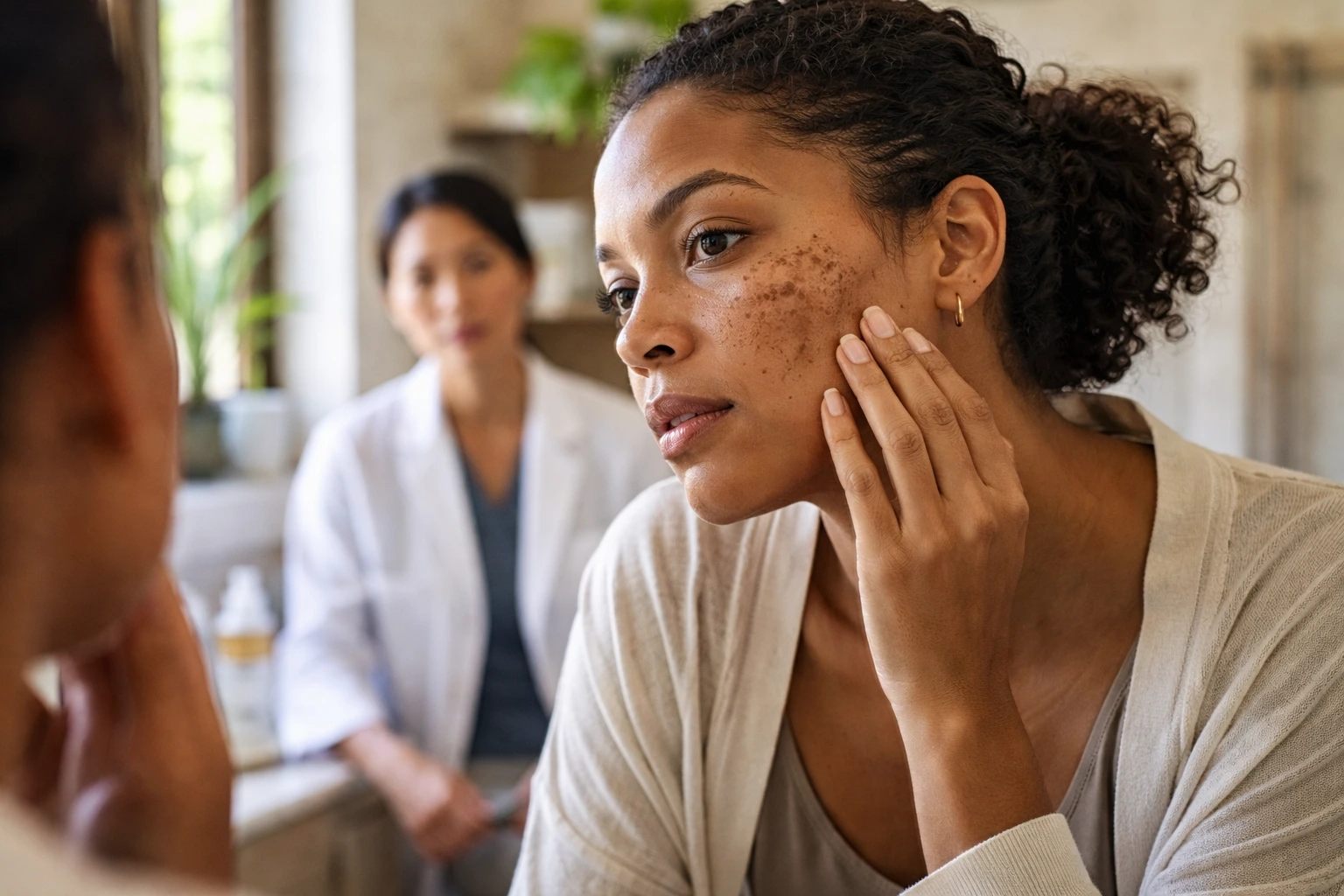
That burning, tingling sensation spreading across your skin followed by an angry red rash is shingles rash symptoms hitting you hard, and you need to know exactly what’s happening to your body right now.
Recognition of shingles rash
Shingles typically announces itself with a distinctive tingling or burning sensation that feels like your skin is waking up after falling asleep, except it doesn’t go away. This sensation usually appears on one side of your body, often following a band-like pattern around your torso, though it can show up on your face, neck, or limbs. Within a few days, a red rash emerges in the same area, and this is when many women realize something serious is happening. The rash quickly progresses into fluid-filled blisters that cluster together, creating a painful patch that can make even light clothing feel unbearable. Some women describe it as feeling like their skin is on fire while simultaneously being hypersensitive to touch. The blisters typically last one to two weeks before crusting over. If you notice this pattern of tingling followed by a localized rash on one side of your body, seeking medical attention within the first few days gives you the best chance at reducing pain and preventing complications.
- Tingling or burning sensation that precedes the rash by days
- Red rash appearing on one side of the body in a band-like pattern
- Fluid-filled blisters that cluster and crust over within one to two weeks
Symptom progression
As your shingles develops over the first week, you may experience systemic symptoms that extend beyond the rash itself. Fever, headache, and general fatigue often accompany the skin symptoms, making you feel like you’re fighting off a flu alongside the localized pain. Light sensitivity can become pronounced, causing you to retreat to dimly lit spaces. The pain itself varies dramatically from person to person and even from day to day. Some women report a dull ache that’s manageable with over-the-counter pain relief, while others experience sharp, shooting pain that disrupts sleep and daily activities. The intensity often peaks around days five to seven, then gradually subsides as the blisters crust over. Understanding this timeline helps you prepare mentally and physically. You might need to adjust work schedules, arrange help with household tasks, or simply give yourself permission to rest more than usual. Tracking your symptoms in a journal can help you communicate more effectively with your healthcare provider and identify patterns in what makes the pain better or worse.
📘 Fix your day in under 2 minuteschoose where to begin:
Complications and risk factors
The most common long-term complication is postherpetic neuralgia, a condition where nerve pain persists long after the rash has completely healed. Some women experience this lingering pain for months or even years, describing it as burning, stabbing, or numbness in the affected area. This risk increases significantly if you’re over 50, though women of any age can develop it. Your immune system status matters considerably. If you’re taking immunosuppressive medications for autoimmune conditions, undergoing cancer treatment, or living with HIV, your risk of developing shingles and experiencing severe symptoms increases substantially. Stress, poor sleep, and inadequate nutrition can also weaken your immune response, making you more vulnerable. Additionally, if shingles affects your face or eye area, there’s potential for vision complications that require urgent ophthalmologic evaluation. Women with a history of severe chickenpox or those who’ve had shingles before face higher risks of recurrence. Understanding your personal risk factors allows you to take preventive action and seek early treatment if symptoms develop.
Treatment options
Antiviral medications like acyclovir, valacyclovir, or famciclovir are the frontline medical treatment, most effective when started within 72 hours of symptom onset. These medications reduce the severity and duration of the rash and significantly lower your risk of developing postherpetic neuralgia. Your doctor will prescribe the appropriate dosage based on your age, kidney function, and overall health. Pain management is equally important. Depending on pain severity, your provider might recommend over-the-counter acetaminophen or ibuprofen, prescription-strength pain relievers, or even topical anesthetics like lidocaine patches that numb the affected area. Some women find relief with gabapentin or pregabalin, medications that specifically target nerve pain. Topical creams containing capsaicin can help once blisters have crusted over. Beyond medication, self-care practices make a real difference. Keep the affected area clean and dry, wear loose, soft clothing to minimize irritation, and use cool compresses to soothe burning sensations. Stress reduction through gentle activities like meditation or short walks supports your immune system’s recovery. Adequate sleep, hydration, and nutrition rich in vitamins C, D, and B12 help your body heal faster.
Preventive measures
The shingles vaccine is your most powerful preventive tool. The recombinant zoster vaccine (Shingrix) is recommended for all adults 50 and older, regardless of whether you’ve had shingles before, and can be given to adults 19 and older with certain risk factors. It’s administered as two doses, two to six months apart, and provides over 90 percent protection against shingles and postherpetic neuralgia. Even if you’ve already had shingles, vaccination can prevent recurrence. Beyond vaccination, lifestyle factors strengthen your immune defense. Regular moderate exercise like brisk walking, swimming, or yoga boosts immune function without overtaxing your body. Managing stress through activities you enjoy, maintaining consistent sleep schedules, and eating a balanced diet rich in fruits, vegetables, and lean proteins all support immune health. Avoid close contact with people who have active chickenpox or shingles if you’re unvaccinated or immunocompromised. If someone in your household develops shingles, ensure they keep their rash covered and practice good hygiene to prevent transmission of the varicella-zoster virus. Taking these preventive steps now means protecting your future self from unnecessary pain and complications.
Shingles rash symptoms begin with tingling or burning sensations followed by a painful red rash and fluid-filled blisters on one side of your body. Systemic symptoms like fever and fatigue often accompany the rash, with pain typically peaking around day five to seven. Recognizing early signs allows you to seek prompt treatment with antiviral medications, which are most effective within 72 hours of symptom onset. Understanding your risk factors, especially if you’re over 50 or immunocompromised, helps you take preventive action. Vaccination is the most reliable way to protect yourself, along with lifestyle practices that support immune health.
Are shingles contagious?
Shingles itself is not contagious, but the virus that causes it, varicella-zoster, can be spread and cause chickenpox in individuals who have not been exposed to it before. The virus spreads through direct contact with the fluid from shingles blisters, so keeping the rash covered and practicing good hygiene is important if you’re around unvaccinated people.
How long does the shingles rash typically last?
The shingles rash usually lasts between two to four weeks. However, some individuals may experience lingering pain even after the rash has cleared, known as postherpetic neuralgia. This complication is more common in women over 50 and can persist for months or longer, making early treatment with antivirals especially important.
Others also read:
Disclaimer: This article is for informational purposes only and is not a substitute for professional medical advice. Always consult a healthcare professional for personal guidance.
This guide has been prepared and reviewed by the GlobalHealthBeacon editorial team and reflects current medical research as of 2026. It provides structured, evidence-based information to support informed health decisions.
