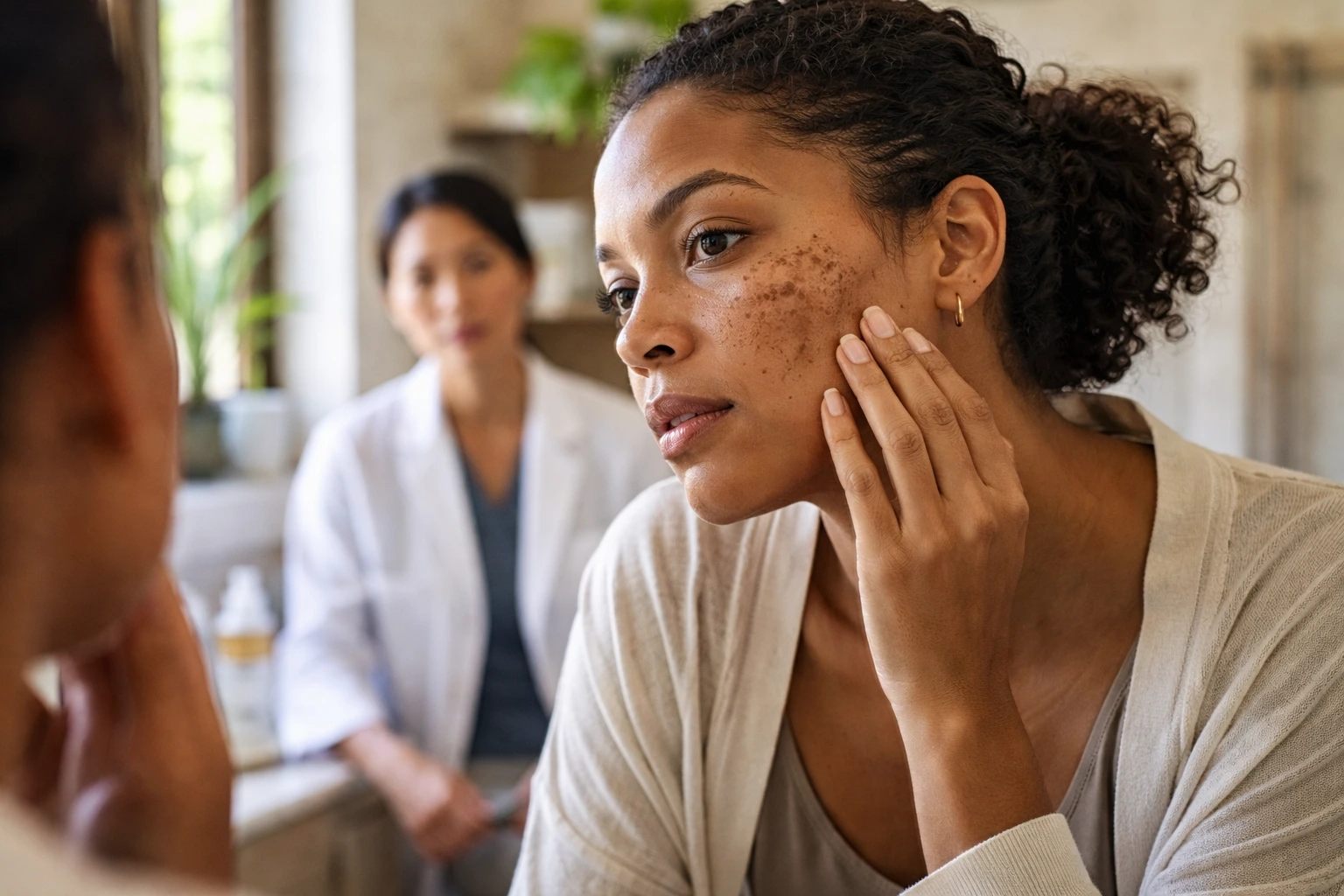
One day you feel a weird tingling on your side, the next you’re staring at painful blisters and wondering how shingles rash symptoms sneaked up on you when you thought you were too young for this.
The unexpected arrival of shingles
Most young adults don’t expect shingles to show up in their twenties or thirties, but it happens more often than you’d think. The condition typically begins with subtle signals your body sends out days before the rash appears. You might notice a burning sensation, tingling, or mild itching on one side of your body, often mistaking it for a pulled muscle or minor irritation. Sarah, a 28-year-old marketing manager, described it as feeling like someone had lightly scratched her ribcage with a hot wire. She ignored it for three days until red patches began forming. The classic shingles rash appears as clusters of painful blisters following a stripe-like pattern along a nerve pathway, usually on the torso but sometimes on the face or other areas. What catches many young adults off guard is how quickly the condition escalates from a minor annoyance to something that demands attention and medical care.
- Initial symptoms can be mistaken for other skin conditions.
- Pain or sensitivity may precede the rash by a few days.
- The classic rash appears as red patches that develop into blisters.
Navigating shingles rash discomfort
The physical discomfort of shingles rash goes beyond typical skin irritation. Imagine the worst sunburn you’ve ever had, but concentrated on one side of your body with stabbing pain underneath. Sleeping becomes nearly impossible when the sheets trigger sharp pain with every movement. Getting dressed turns into a careful negotiation with your wardrobe, avoiding anything that touches the affected area. Even showering becomes stressful as warm water can intensify the burning sensation. James, a 32-year-old software developer, took two weeks off work because sitting at his desk aggravated the rash on his side. The pain isn’t constant either, which makes it unpredictable. Some hours feel manageable, then suddenly a wave of intense burning hits without warning. This inconsistency makes it hard to plan your day or push through normal activities, leaving many young adults feeling frustrated and isolated during their recovery period.
💬 Ready to feel better in 2 minutes?choose where to begin:
Dealing with emotional impact
Beyond the physical pain, shingles rash carries an unexpected emotional weight that many young adults aren’t prepared for. There’s a psychological shock of developing something you associate with older relatives, which can trigger anxiety about your health and immunity. Visible blisters on exposed skin create self-consciousness, especially if the rash appears on your neck, face, or arms. You might cancel social plans, avoid intimacy with partners, or feel embarrassed changing in front of others. The uncertainty amplifies the stress. Will there be permanent scarring? How long will this actually last? Am I contagious? These questions loop through your mind, creating worry that sometimes feels worse than the physical symptoms. Emma, a 26-year-old nurse, found herself spiraling into anxiety about her appearance during the acute phase, even though she logically knew the rash would fade. The frustration of being sidelined from your normal life, combined with the visual reminder of illness, can affect your mental health significantly.
Seeking relief and recovery
Getting proper medical care early makes a real difference in managing shingles rash symptoms and reducing complications. Antiviral medications work best when started within the first few days of symptom onset, so reaching out to your doctor at the first sign of unusual pain or rash is crucial. Beyond medication, practical self-care strategies help manage discomfort while your body heals. Cool compresses provide temporary relief without irritating the skin further. Loose, soft clothing prevents friction against the rash. Over-the-counter pain relievers help you sleep and function during the day. Some people find relief with calamine lotion or specialized creams, though you should check with your healthcare provider first. Recovery typically takes two to four weeks, but patience is essential because rushing back to intense exercise or stress can trigger setbacks. Marcus, a 30-year-old fitness instructor, learned this the hard way when he tried returning to the gym too early and experienced a flare-up. The key is listening to your body, following medical guidance, and understanding that recovery isn’t linear.
Shingles rash presents a series of unexpected challenges from the onset of symptoms to the path to recovery. Navigating the physical discomfort, emotional impact, and seeking appropriate care are crucial steps in managing this condition.
How long does shingles rash typically last?
The duration of shingles rash can vary, but it usually lasts 2 to 4 weeks. In some cases, post-herpetic neuralgia, which is persistent nerve pain, can continue long after the rash has healed.
Can young adults get vaccinated against shingles?
While shingles is more common in older adults, young adults can also develop the condition. Vaccination is recommended for individuals 50 years and older to reduce the risk of shingles and its complications.
Others also read:
Disclaimer: This article is for informational purposes only and is not a substitute for professional medical advice. Always consult a healthcare professional for personal guidance.
This article presents an experience-based perspective and has been reviewed by the GlobalHealthBeacon editorial team in 2026. It provides structured, evidence-based information to support informed health decisions.
