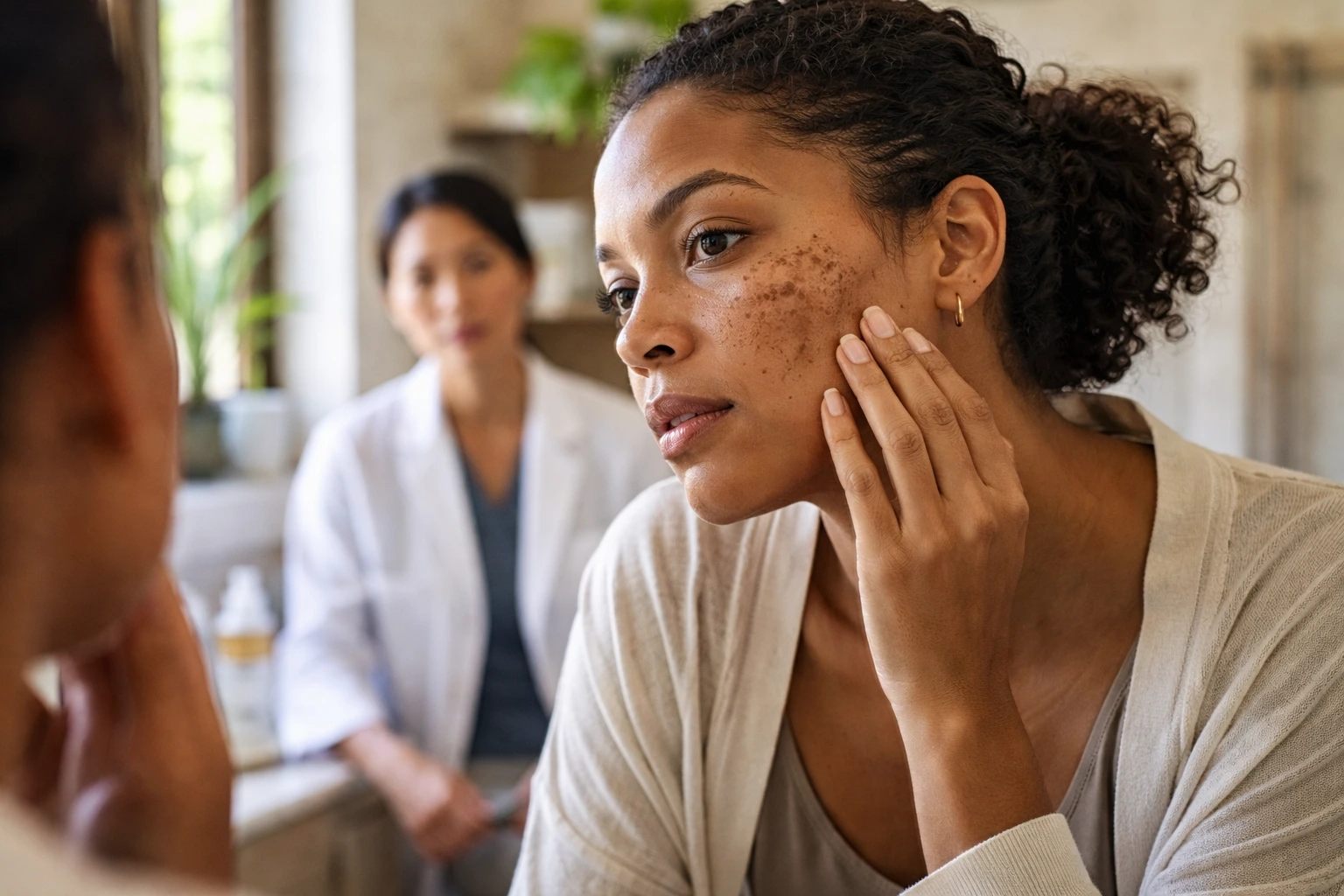
That burning, tingling sensation spreading across your skin followed by an angry red rash is your body telling you something serious is happening, and understanding shingles rash symptoms could be the difference between managing it quickly or suffering through weeks of pain.
The basics of shingles rash symptoms
Shingles, medically known as herpes zoster, emerges from the varicella-zoster virus, the same pathogen responsible for chickenpox. If you had chickenpox as a child, the virus never truly left your body. Instead, it retreated into nerve tissue near your spinal cord, lying dormant for years or even decades. When conditions align, the virus reactivates and travels along nerve pathways to your skin, creating the distinctive shingles rash. The experience typically unfolds in stages. First comes a prodromal phase where you might feel tingling, burning, or itching in a specific band across your body, usually on one side. Within days, a red rash emerges in that same area, quickly developing into fluid-filled blisters that resemble chickenpox but are confined to a single dermatome, or nerve distribution zone. Many young adults also experience systemic symptoms like low-grade fever, headache, and fatigue as their immune system mobilizes against the virus. The rash itself is intensely painful for some people, while others describe it as merely uncomfortable. This variability in symptom severity depends on individual immune function and overall health status.
Understanding the mechanisms of a shingles rash
The biological cascade that produces a shingles rash is a fascinating interplay between viral reactivation and immune response. When varicella-zoster virus awakens from dormancy, it begins replicating within nerve cells and then travels along axons, the long projections of nerve cells, toward the skin surface. As the virus reaches the dermis and epidermis, it infects skin cells, causing them to rupture and release viral particles. This cellular destruction triggers a powerful inflammatory response. Your immune system recognizes the viral invasion and floods the affected area with white blood cells, cytokines, and other inflammatory mediators. This inflammation is actually protective, helping contain the virus, but it also causes the characteristic pain, redness, and swelling. The blisters form as fluid accumulates in response to tissue damage and inflammation. Interestingly, the pain associated with shingles often exceeds what you might expect from the visible rash alone. This occurs because the virus directly damages nerve fibers, causing neuropathic pain that can persist even after the rash heals. Understanding this mechanism helps explain why pain management is so crucial during shingles infection and why some people develop chronic nerve pain afterward.
Diagnosis and treatment options
Diagnosing shingles typically begins with a clinical examination. A healthcare provider looks for the characteristic unilateral rash in a dermatomal distribution, which is highly suggestive of shingles. If diagnosis remains uncertain, your provider can confirm it by testing fluid from the blisters using polymerase chain reaction testing, which detects viral DNA with high accuracy. Early diagnosis matters because antiviral medications work best when started within 72 hours of rash onset. Antivirals like acyclovir, valacyclovir, or famciclovir inhibit viral replication, reducing the severity and duration of symptoms and significantly lowering the risk of postherpetic neuralgia. Beyond antivirals, pain management becomes essential. Over-the-counter analgesics help with mild discomfort, but moderate to severe pain often requires prescription medications. Some people find relief with topical treatments like lidocaine patches or capsaicin cream applied directly to affected skin. Wet compresses can soothe blisters and reduce itching. Your healthcare provider might also recommend gabapentin or pregabalin, medications that address neuropathic pain by stabilizing nerve cell activity. The combination approach, addressing both viral replication and pain simultaneously, typically produces the best outcomes and helps you return to normal activities faster.
- Contact a healthcare provider as soon as you suspect shingles, ideally within 72 hours of rash onset.
- Provide a detailed history of your symptoms, including when tingling or pain began and any recent stress or illness.
- Allow your provider to examine the rash and potentially collect a sample for laboratory confirmation if needed.
- Fill your antiviral prescription immediately and take it exactly as directed, even if you start feeling better.
- Implement pain management strategies recommended by your provider, which may include topical treatments, oral medications, or both.
- Keep the affected area clean and dry, avoid scratching blisters, and wear loose clothing to minimize irritation.
- Monitor for any signs of complications and report them to your healthcare provider promptly.
🔬 Science-backed benefits in 2 minuteschoose where to begin:
Potential complications of shingles rash
While most people recover from shingles without lasting effects, complications can occur and deserve serious attention. The most common complication is postherpetic neuralgia, a condition where nerve pain persists long after the rash heals. This occurs because the virus damages nerve fibers, and the damage doesn’t immediately resolve when the infection clears. Some people experience this pain for months or even years, significantly impacting quality of life. Older adults face higher risk, but younger people can develop it too, especially if they delay treatment. Less common but more serious complications include shingles affecting the eye, which can threaten vision if the virus reaches the cornea. Shingles oticus involves the ear and facial nerve, potentially causing hearing loss or facial paralysis. In immunocompromised individuals, the virus can disseminate to internal organs, causing pneumonitis, hepatitis, or encephalitis. Secondary bacterial infection of blisters can occur if scratching breaks the skin barrier. Recognizing warning signs like vision changes, severe headache, or symptoms spreading beyond the initial rash area warrants immediate medical attention. Early treatment with antivirals significantly reduces complication risk, making prompt diagnosis and intervention crucial for optimal outcomes.
Preventive measures and vaccination
Prevention through vaccination represents the most effective strategy against shingles. Two vaccines are currently available: Zostavax, a live attenuated vaccine, and Shingrix, a recombinant zoster vaccine. Shingrix is newer and more effective, providing over 90 percent protection against shingles and postherpetic neuralgia in clinical trials. It requires two doses given two to six months apart. While shingles is more common in people over 50, younger adults with certain risk factors, including immunocompromised states, HIV infection, or chronic conditions like diabetes, should discuss vaccination with their healthcare provider. Beyond vaccination, supporting your immune system through lifestyle choices helps reduce reactivation risk. Adequate sleep, regular physical activity, stress management, and a balanced diet rich in vitamins and minerals all contribute to immune resilience. Some research suggests that managing chronic stress through meditation, yoga, or counseling may lower shingles risk. Avoiding smoking and excessive alcohol consumption also supports immune function. While these measures cannot guarantee prevention, they create an internal environment less favorable for viral reactivation. For young adults, understanding your personal risk factors and discussing vaccination timing with your provider ensures you have protection in place before vulnerability increases with age.
Research and scientific progress
The scientific community continues advancing our understanding of shingles through multiple research avenues. Investigators are exploring why some people develop postherpetic neuralgia while others do not, hoping to identify biomarkers that predict this complication and enable preventive interventions. Genetic studies reveal that certain immune response patterns influence disease severity and complication risk, opening possibilities for personalized medicine approaches. Researchers are also investigating novel antiviral compounds with improved efficacy and fewer side effects than current medications. Some studies examine the role of inflammation in shingles pathogenesis, potentially leading to new therapeutic targets. Long-term studies tracking vaccinated populations help refine recommendations and identify optimal vaccination timing across different age groups. Emerging research explores the connection between shingles and other conditions, including stroke and cardiovascular events, suggesting systemic effects beyond the visible rash. Understanding these mechanisms could lead to better preventive strategies and treatments. For young adults, staying informed about research developments helps you make evidence-based decisions about vaccination and recognize when new treatment options become available. The trajectory of shingles science points toward more effective prevention and management strategies that could significantly reduce the burden of this condition.
Shingles rash symptoms result from reactivation of the varicella-zoster virus, causing a painful blistering rash typically confined to one side of the body. The condition involves complex interactions between viral replication and immune response, with inflammation driving both protective effects and pain. Early diagnosis and antiviral treatment significantly improve outcomes and reduce complication risk. While most people recover without lasting effects, postherpetic neuralgia and other complications can occur. Vaccination offers strong protection, particularly for those at higher risk. Understanding the scientific mechanisms, recognizing symptoms early, and seeking prompt medical care are essential for managing shingles effectively and preventing serious complications.
Can young adults develop shingles?
Yes, young adults can develop shingles, though it is less common than in older populations. Anyone who has had chickenpox carries the dormant virus and can experience reactivation. Risk increases significantly in people with weakened immune systems, including those with HIV, those taking immunosuppressive medications, or those with certain chronic conditions like diabetes or autoimmune diseases. High stress, severe illness, or physical trauma can also trigger reactivation in younger people. While age-related immune decline makes shingles more common after age 50, younger individuals should not assume they are immune.
Is shingles rash contagious?
The shingles rash itself is not contagious to other people. However, the varicella-zoster virus present in the fluid within blisters can be transmitted to individuals who have never had chickenpox or received the chickenpox vaccine. In these susceptible people, exposure to the virus causes chickenpox rather than shingles. Once blisters crust over and dry, the risk of transmission drops significantly. People with active shingles should avoid contact with infants, pregnant women, and immunocompromised individuals until blisters have crusted.
Others also read:
Disclaimer: This article is for informational purposes only and is not a substitute for professional medical advice. Always consult a healthcare professional for personal guidance.
This article has been prepared and reviewed by the GlobalHealthBeacon editorial team and is based on current medical research and published scientific literature available in 2026. It provides structured, evidence-based information to support informed health decisions.
