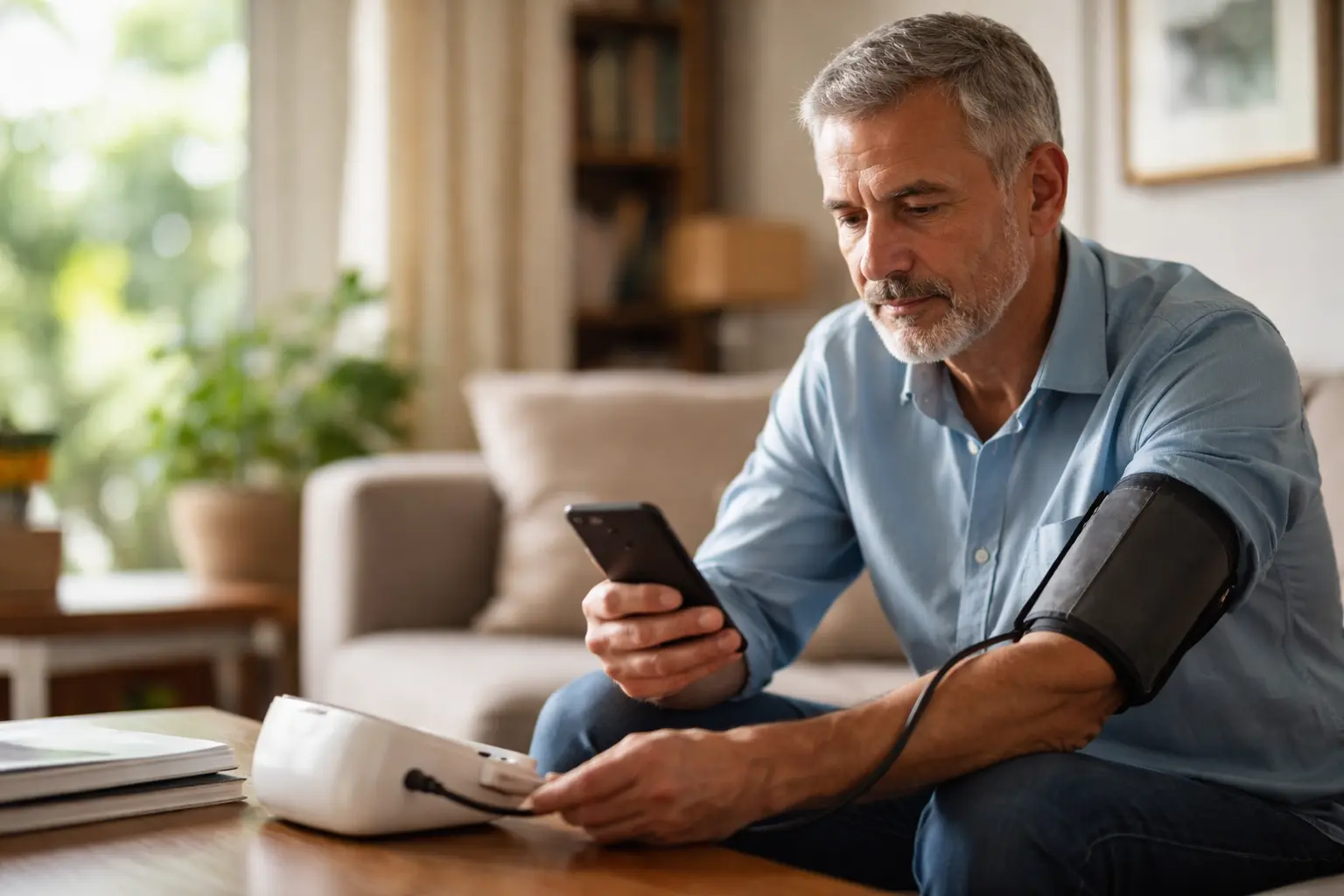
You’re tired of white coat syndrome skewing your readings, frustrated by appointment wait times, and honestly unsure if telemonitoring blood pressure effectiveness is real or just another health gadget promise, so let’s cut through the noise and show you what actually works.
Understanding remote blood pressure monitoring
Remote blood pressure monitoring transforms how you track your cardiovascular health by letting you measure readings at home, at work, or anywhere you feel comfortable. Instead of relying on occasional doctor visits where anxiety can artificially spike your numbers, you gather data across different times and situations. This matters because your blood pressure naturally fluctuates throughout the day based on stress, caffeine, sleep, and hormonal cycles. Women especially benefit from this approach since hormonal changes during menstrual cycles, perimenopause, and menopause can cause significant BP variations that a single office reading would miss. A specialized device connects to your smartphone, automatically logs your readings, and often sends data directly to your healthcare provider. This continuous picture helps identify true patterns versus random spikes, enabling earlier detection of hypertension or other cardiovascular concerns before they become serious.
- Regular monitoring promotes early detection of potential issues.
- Remote monitoring offers flexibility and reduces the need for frequent doctor visits.
- It empowers you to take an active role in managing your blood pressure.
Choosing the right device
Selecting a blood pressure monitor requires more than grabbing the cheapest option online. Start by verifying that any device you consider has been validated by reputable organizations like the American Heart Association or the British Hypertension Society. Look for monitors with upper arm cuffs rather than wrist or finger versions, as these tend to be more accurate. Check that the device syncs seamlessly with your smartphone and has an intuitive app where you can view trends, set reminders, and export data for your doctor. Consider whether you want a device that stores readings locally only or one that uploads to the cloud for access from multiple devices. Battery life matters too, especially if you travel frequently. Read reviews from actual users, particularly women who mention whether the cuff fits comfortably over clothing or if sizing was an issue. Test the device before committing to long-term use if possible, and confirm the manufacturer offers customer support in case you have questions about readings or technical issues.
📘 Fix your day in under 2 minuteschoose where to begin:
Monitoring frequency and interpretation
How often you should monitor depends on your individual health status and your doctor’s recommendations. If you have newly diagnosed hypertension, your provider might suggest daily readings at the same time each morning before medication and again in the evening. If your blood pressure is controlled, you might monitor two to three times weekly. The key is consistency rather than obsessive checking. Understanding your target range is crucial because normal blood pressure differs from person to person based on age, medications, and existing conditions. Generally, less than 120/80 mmHg is considered normal, but your doctor might set different targets for you. Learn what the two numbers mean: systolic pressure (top number) is the force when your heart beats, while diastolic pressure (bottom number) is the force between beats. Avoid the common mistake of panicking over a single high reading. Blood pressure naturally fluctuates, and one elevated reading doesn’t mean your treatment has failed. Instead, look for patterns over weeks. If you consistently see readings above your target range, that’s when you contact your provider.
Utilizing the data effectively
Collecting readings is only half the battle; what matters is what you do with that information. Start a simple log, either digital through your app or on paper, noting your readings along with the time, day, and any relevant context like stress level, sleep quality, or whether you had caffeine. Over time, patterns emerge. You might notice your BP spikes on Mondays when work stress peaks, or rises after salty restaurant meals. These insights become your roadmap for lifestyle changes. Share your complete data with your doctor at each visit, not just the readings you remember or the ones that looked good. Bring your phone or printed reports so your provider can see the full picture. Discuss what the trends mean and whether your current treatment plan is working. Use this data to motivate yourself too. Seeing improvement after you’ve reduced sodium intake or started exercising three times weekly provides real evidence that your efforts matter. Some women find that tracking their BP alongside their menstrual cycle helps them understand how hormones influence their readings, which can inform conversations with their gynecologist or cardiologist about timing of medications.
Seeking professional guidance
Remote monitoring is a powerful tool, but it’s not a substitute for professional medical care. Think of it as giving your doctor a much clearer window into your daily health rather than replacing their expertise. Your healthcare provider interprets your readings in context of your complete medical history, medications, family history, and other risk factors. They can identify whether changes in your readings signal a need for medication adjustments, lifestyle modifications, or further testing. Schedule regular check-ups, typically annually if your BP is controlled or more frequently if it’s not. During visits, discuss what your home readings show and ask questions about anything that concerns you. If you notice sudden changes, persistent readings above your target, or symptoms like headaches, shortness of breath, or chest discomfort, contact your doctor promptly rather than waiting for your next appointment. Some women benefit from working with a cardiologist, especially if they have additional risk factors. Don’t let remote monitoring create a false sense of security where you skip appointments or ignore symptoms. Instead, use it as a collaborative tool that strengthens your partnership with your healthcare team.
Remote blood pressure monitoring offers a convenient and effective way for women to actively manage their health. By choosing the right device, monitoring diligently, and collaborating with healthcare professionals, it becomes a valuable tool in promoting well-being.
Is remote blood pressure monitoring accurate?
Remote blood pressure monitors are designed to provide accurate readings when used correctly. It’s crucial to follow the instructions carefully and verify the accuracy of the device against traditional methods.
Can remote monitoring replace regular doctor visits?
While remote monitoring is a useful tool, it should not replace regular check-ups with your healthcare provider. Professional guidance and interpretation of the data are essential for comprehensive care.
Others also read:
Disclaimer: This article is for informational purposes only and is not a substitute for professional medical advice. Always consult a healthcare professional for personal guidance.
This guide has been prepared and reviewed by the GlobalHealthBeacon editorial team and reflects current medical research as of 2026. It provides structured, evidence-based information to support informed health decisions.
← Go to the telemonitoring blood pressure effectiveness main guide
