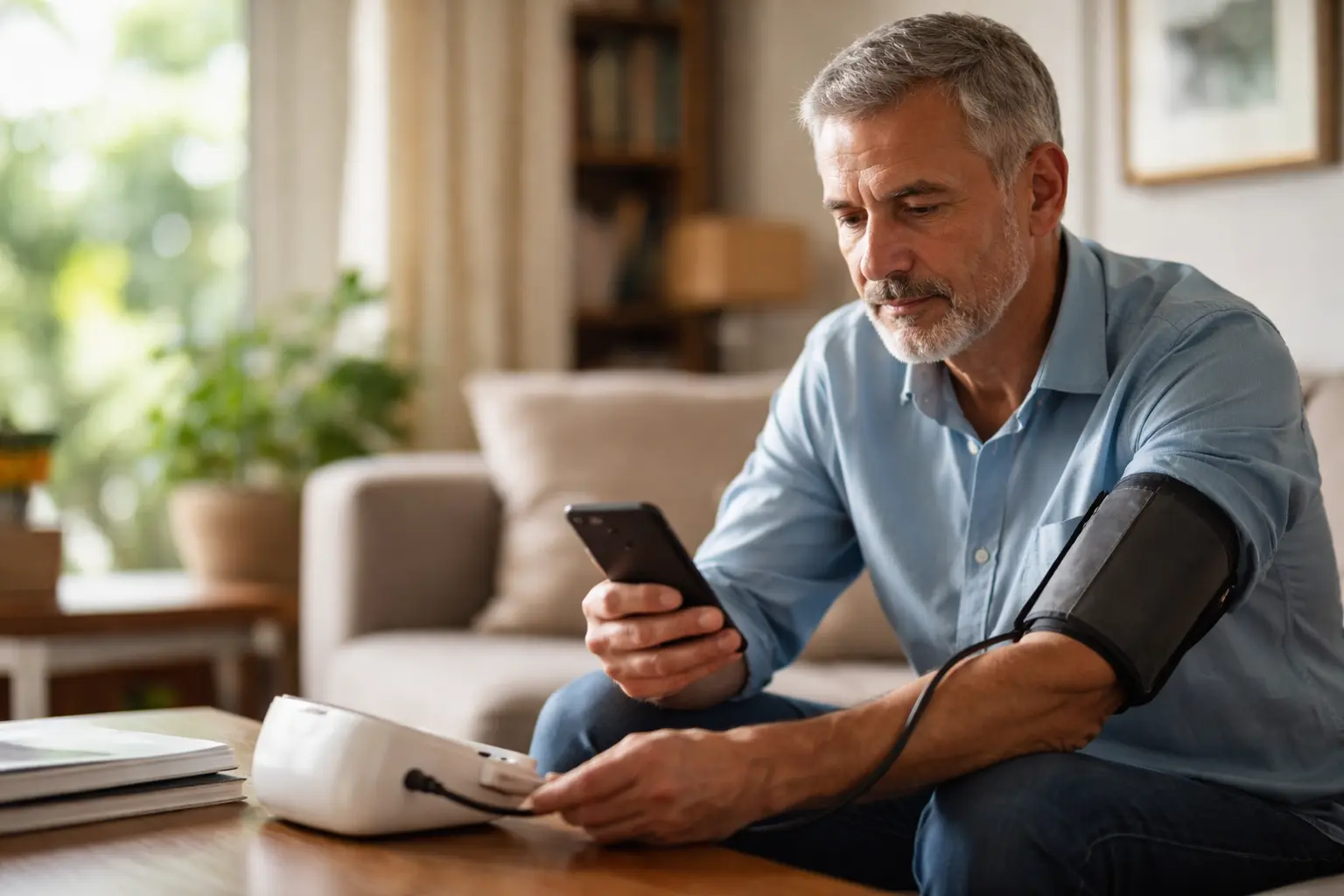
Your blood pressure readings keep bouncing all over the place, you’re tired of rushing to doctor appointments just to get a quick check, and you’re wondering if there’s actually a smarter way to stay on top of this without losing your mind to telemonitoring blood pressure effectiveness that might just be another overhyped gadget.
Understanding telemonitoring blood pressure
Telemonitoring blood pressure works by having you use a device at home that automatically measures your readings and transmits them directly to your healthcare provider’s office. Think of it like this: instead of taking your blood pressure once every few months during an office visit, you’re now creating a detailed map of how your pressure behaves throughout your week. A typical scenario might look like this. Sarah, a 68-year-old with hypertension, uses a wireless cuff each morning and evening. Her readings show that her pressure spikes on Mondays around 9 AM but stays stable on weekends. This pattern would never appear in a single office visit. The device stores data and sends it automatically, eliminating the need to manually record and report numbers. You get convenience, accuracy, and a complete picture of your blood pressure trends without the hassle of frequent clinic visits.
- Convenience of checking blood pressure at home without scheduling appointments
- Real-time monitoring that captures your actual daily patterns and fluctuations
- Opportunity to track blood pressure trends over time and identify what triggers changes
Benefits of telemonitoring for seniors
For seniors, telemonitoring removes major barriers to consistent health management. Many older adults struggle with transportation, mobility issues, or simply the stress of frequent medical appointments. Telemonitoring changes this equation entirely. You check your pressure from your living room, at your own pace, without arranging rides or sitting in waiting rooms. This consistency matters enormously because your healthcare provider gets a true picture of your baseline rather than the white-coat effect where readings spike just from being in a medical office. Research shows seniors who use telemonitoring tend to stay more engaged with their treatment plans because they see their own numbers improving week to week. There’s also a psychological benefit: you feel more in control and less like a passive patient. When you see your readings trending downward after adjusting your salt intake or adding a daily walk, that tangible feedback motivates continued effort. Plus, your provider can catch concerning patterns early and adjust medications before problems escalate.
📘 Fix your day in under 2 minuteschoose where to begin:
Tips for effective telemonitoring
Success with telemonitoring depends on getting the fundamentals right from day one. First, have your device calibrated against a manual cuff at your doctor’s office to ensure accuracy. Many seniors skip this step and end up with readings that are consistently off by 5 to 10 points. Second, establish a routine: take readings at the same time each day, typically in the morning before medication and in the evening. Sit with your back supported, feet flat on the floor, and your arm at heart level. A common mistake is checking pressure while standing or immediately after activity, which skews results upward. Third, keep a simple log noting anything unusual that day: stress, extra salt, missed exercise, or poor sleep. This context helps your provider interpret patterns. Fourth, communicate regularly with your healthcare team. Don’t just assume they’re reviewing your data. Schedule a monthly call or visit to discuss trends and any concerns. One 72-year-old man discovered his pressure was highest on days he skipped his morning coffee, which seemed counterintuitive but revealed how his body responds to caffeine withdrawal. This insight came only because he tracked consistently and shared observations with his doctor.
Potential challenges of telemonitoring
Telemonitoring isn’t perfect, and seniors should know the real obstacles before starting. Technology issues happen: devices disconnect from WiFi, apps crash, or readings fail to transmit. If this occurs, you’re left wondering whether your provider actually received your data. Some seniors feel overwhelmed by the app interface or struggle to remember how to sync their device. Device accuracy can also vary, especially if the cuff doesn’t fit properly or if you have an irregular heartbeat. You might see wildly different readings on consecutive days and panic unnecessarily. Another challenge is over-reliance on numbers. Some seniors become anxious checking their pressure multiple times daily, obsessing over small fluctuations that mean nothing. There’s also the risk of missing important context. A reading of 160/95 might be normal for you after climbing stairs, but alarming if you were resting. Without proper guidance, you might misinterpret data and make unnecessary changes to your routine. Finally, not all insurance covers telemonitoring devices, and some seniors can’t afford the upfront cost. It’s worth checking with your provider about coverage before investing.
Consulting your healthcare provider
Your healthcare provider is your partner in making telemonitoring work effectively. Before starting, discuss whether telemonitoring is right for your specific situation. Some conditions benefit more than others, and your doctor can recommend the best device for your needs and budget. During your initial setup, ask your provider to walk you through the device and app, clarify how often you should take readings, and establish a communication schedule. Don’t assume they’ll automatically review your data weekly. Some practices check telemonitoring data monthly, others quarterly. Knowing this prevents frustration when you expect feedback that isn’t coming. Bring a list of questions to your first follow-up: What readings should concern me? When should I contact you versus waiting for our scheduled visit? How do I know if my device needs recalibration? Your provider can also help you interpret patterns and adjust your treatment plan based on actual data rather than guesswork. If you’re on blood pressure medication, telemonitoring often reveals whether your current dose is working or needs adjustment. This evidence-based approach leads to better outcomes than traditional office-only monitoring.
Telemonitoring blood pressure at home offers seniors a practical, empowering way to manage their health consistently and stay connected with their healthcare team. When you use the right device, follow a consistent routine, communicate openly with your provider, and stay aware of common pitfalls, telemonitoring becomes a powerful tool for better blood pressure control. The key is treating it not as a replacement for medical care but as a bridge that keeps your provider informed and keeps you engaged in your own health.
Is telemonitoring accurate for seniors?
Telemonitoring can provide accurate blood pressure readings for seniors when devices are properly calibrated against a manual cuff at your doctor’s office and used according to instructions. Accuracy also depends on proper technique: sitting with support, feet flat, arm at heart level, and taking readings at consistent times. Regular communication with your healthcare provider is crucial for accurate interpretation of results, especially since some natural variation is normal and doesn’t always signal a problem.
Can telemonitoring replace traditional blood pressure monitoring?
While telemonitoring can be a valuable addition to traditional monitoring methods, it should not replace regular check-ups with your healthcare provider. Telemonitoring works best as a tool that complements in-person visits and enhances overall blood pressure management. Your provider needs to see you periodically to assess your overall health, adjust medications if needed, and address any concerns that numbers alone cannot reveal.
Others also read:
Disclaimer: This article is for informational purposes only and is not a substitute for professional medical advice. Always consult a healthcare professional for personal guidance.
This guide has been prepared and reviewed by the GlobalHealthBeacon editorial team and reflects current medical research as of 2026. It provides structured, evidence-based information to support informed health decisions.
← Go to the telemonitoring blood pressure effectiveness main guide
