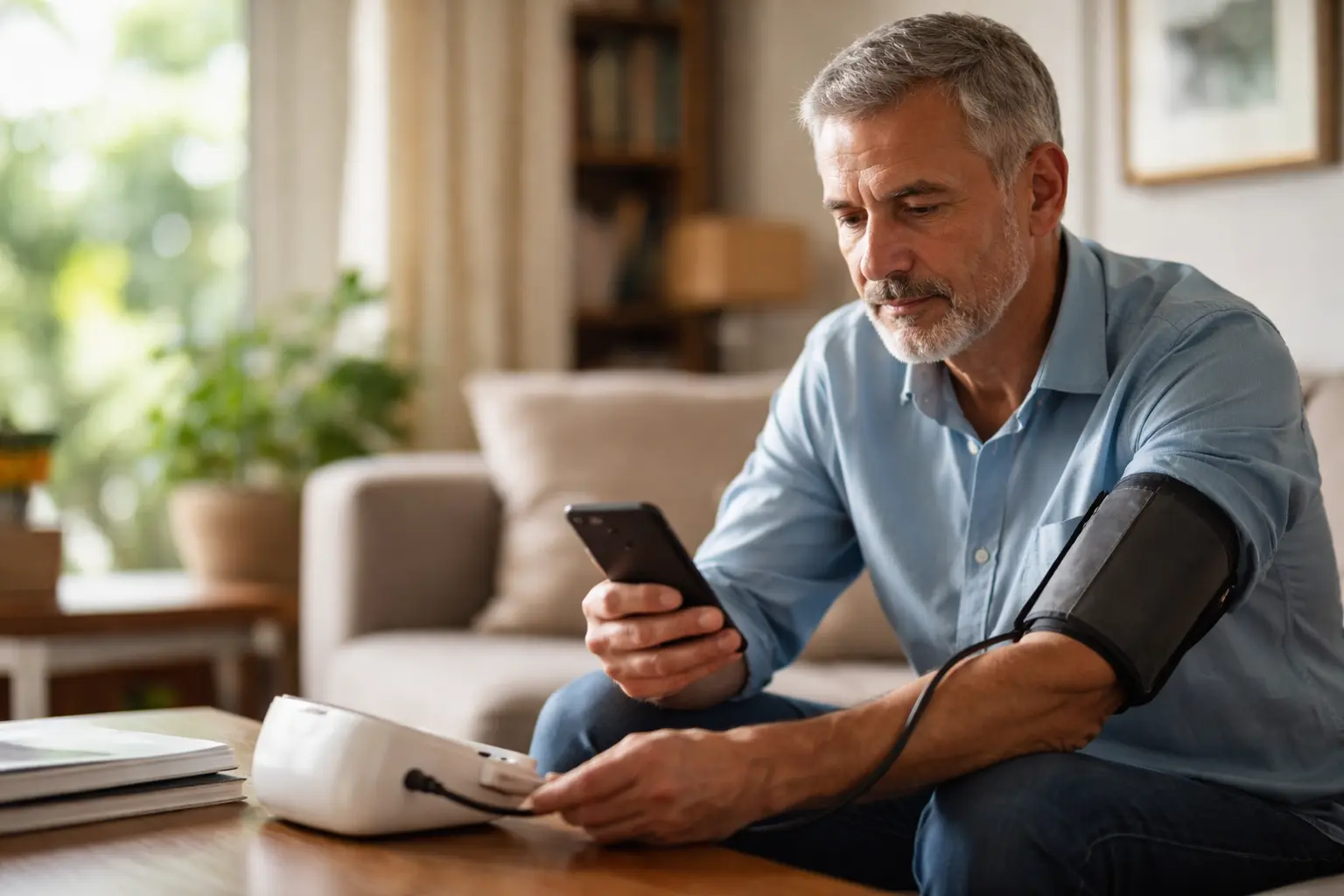
Tired of worrying whether your blood pressure readings at home actually mean anything, or if you really need another trip to the clinic just to get the same numbers checked again? Telemonitoring blood pressure effectiveness is changing that game by letting you track what matters from your couch, with real data your doctor can actually see and act on.
Understanding telemonitoring: a closer look
Telemonitoring represents a shift in how we approach health monitoring, particularly for blood pressure management. At its core, telemonitoring involves using specialized devices to measure blood pressure at home, then transmitting those readings electronically to your healthcare provider’s office. Think of it as creating a continuous conversation between you and your medical team, rather than a single snapshot during an office visit. The technology works by capturing your blood pressure data, storing it securely, and making it available for review by healthcare professionals who can spot patterns you might miss. For example, a senior might notice their readings spike every morning before taking medication, or dip unexpectedly on certain days. These patterns become visible when data accumulates over weeks and months. The beauty of this approach is that it captures readings in your natural environment, not in a clinical setting where some people experience white coat syndrome, the temporary blood pressure elevation caused by the stress of a doctor’s visit.
Benefits of telemonitoring for seniors
The practical advantages of telemonitoring extend far beyond simple convenience. For seniors managing multiple health conditions, reducing clinic visits means less time away from home, fewer transportation challenges, and lower exposure to illness in medical facilities. Consider Margaret, a 72-year-old with arthritis who struggled with the drive to her cardiologist’s office. With telemonitoring, she checks her blood pressure three times weekly from home, uploads the readings, and receives feedback without the physical strain. Beyond logistics, telemonitoring improves engagement because seniors see their own data in real time. This visibility often motivates better medication adherence and lifestyle choices. When you can watch your numbers respond to dietary changes or exercise, the connection between action and outcome becomes tangible. Research patterns also show that regular monitoring itself can improve outcomes, a phenomenon sometimes called the Hawthorne effect, where simply knowing you’re being observed encourages better self-care habits. Additionally, seniors gain peace of mind knowing their healthcare provider has access to comprehensive data, enabling faster detection of concerning trends before they become serious problems.
How to implement telemonitoring successfully
Starting a telemonitoring routine requires thoughtful planning and realistic expectations. First, you need the right device, which means choosing a blood pressure monitor that connects to your healthcare system or a secure app. Not all monitors are created equal, so ask your doctor which devices integrate with their office. Once you have the device, invest time in learning it properly. Read the manual, watch instructional videos, and practice taking readings several times to build confidence. Proper technique matters enormously: sit with feet flat on the floor, keep your arm at heart level, and avoid caffeine or exercise for 30 minutes beforehand. Many seniors make the mistake of taking readings at different times each day or in different positions, which creates inconsistent data that confuses the picture. Establish a routine, like checking blood pressure at the same time each morning and evening. Keep a simple log or use the app’s built-in tracking. When uploading readings, include notes about anything unusual, like stress, illness, or medication changes. Finally, maintain regular communication with your healthcare provider about what the readings mean and whether any adjustments to your care plan are needed.
- Select a high-quality telemonitoring device approved by your healthcare provider
- Follow the device instructions carefully for accurate readings taken at consistent times
- Upload readings consistently and note any unusual circumstances or symptoms
🔬 Science-backed benefits in 2 minuteschoose where to begin:
Potential challenges and limitations
Telemonitoring isn’t a perfect solution, and understanding its limitations helps you use it effectively. Technical issues happen: apps crash, devices malfunction, or connectivity problems prevent uploads. Some seniors struggle with the learning curve of new technology, feeling frustrated when buttons don’t respond as expected or data doesn’t sync properly. User error is surprisingly common. Taking readings while talking on the phone, with a full bladder, or immediately after climbing stairs produces inaccurate numbers. Another challenge involves data overload. Seniors sometimes become anxious seeing daily fluctuations that are actually normal, leading to unnecessary worry or medication adjustments. There’s also the issue of device accuracy itself. Not all home monitors match clinical-grade equipment, and some perform poorly on certain body types or with irregular heartbeats. Additionally, telemonitoring requires consistent engagement. If you skip weeks between readings, the data becomes fragmented and less useful for identifying real trends. Finally, technical literacy gaps mean some seniors need ongoing support and patience from family members or healthcare staff to maintain the system. Recognizing these challenges upfront helps you prepare with proper training, realistic expectations, and a support network.
The role of healthcare providers in telemonitoring
Your healthcare provider becomes a different kind of partner in telemonitoring. Instead of seeing you quarterly, they’re reviewing your data regularly, sometimes weekly or monthly depending on your situation. This requires them to interpret not just individual readings but patterns and trends. A doctor might notice that your readings creep upward every winter, suggesting seasonal factors, or that they spike on days you skip your morning walk, revealing the impact of activity on your numbers. This interpretation requires training and time, which is why not all providers have embraced telemonitoring equally. The most effective telemonitoring relationships involve clear communication protocols. You should know how often your provider reviews your data, how they’ll contact you if something concerns them, and what readings warrant immediate action versus routine follow-up. Some practices use nurse coordinators to review data and flag issues before the doctor sees them, creating a more efficient system. Regular conversations matter too. A quarterly call to discuss trends, medication effectiveness, and lifestyle factors transforms raw data into actionable insights. When this partnership works well, seniors feel supported and informed rather than monitored or judged.
Future trends in telemonitoring technology
The telemonitoring landscape is evolving rapidly, with innovations that promise to make monitoring easier and more insightful. Wearable devices like smartwatches and rings now measure blood pressure continuously rather than requiring manual readings, though these technologies are still being refined for accuracy. Artificial intelligence is beginning to analyze patterns that humans might miss, potentially predicting blood pressure spikes before they occur or identifying which lifestyle factors affect you most significantly. Integration with other health data is expanding too. Your telemonitoring system might soon connect with your fitness tracker, medication reminders, and even your smart home devices to create a comprehensive health picture. Some systems are exploring predictive analytics that alert you to concerning trends early. Voice-activated interfaces are making data entry simpler for seniors with vision or dexterity challenges. Blockchain technology promises enhanced security for sensitive health data. However, these advances also raise questions about data privacy, device reliability, and whether more data actually leads to better outcomes. The most promising future likely involves simpler interfaces, more accurate devices, better integration with existing healthcare systems, and clearer guidance about what data actually matters for your individual health goals.
Telemonitoring of blood pressure offers seniors a convenient way to monitor their health remotely, leading to improved patient engagement and hypertension management. It requires proper device selection, training, and regular communication with healthcare providers.
Can telemonitoring replace regular doctor visits?
Telemonitoring can complement traditional doctor visits but should not replace them entirely. Regular check-ups and in-person consultations are still important for comprehensive healthcare.
Is telemonitoring accurate in tracking blood pressure?
Telemonitoring devices can provide accurate blood pressure readings if used correctly. It is crucial for seniors to follow device instructions and seek guidance from healthcare providers as needed.
Others also read:
Disclaimer: This article is for informational purposes only and is not a substitute for professional medical advice. Always consult a healthcare professional for personal guidance.
This article has been prepared and reviewed by the GlobalHealthBeacon editorial team and is based on current medical research and published scientific literature available in 2026. It provides structured, evidence-based information to support informed health decisions.
← Back to the Main page on: telemonitoring blood pressure effectiveness
