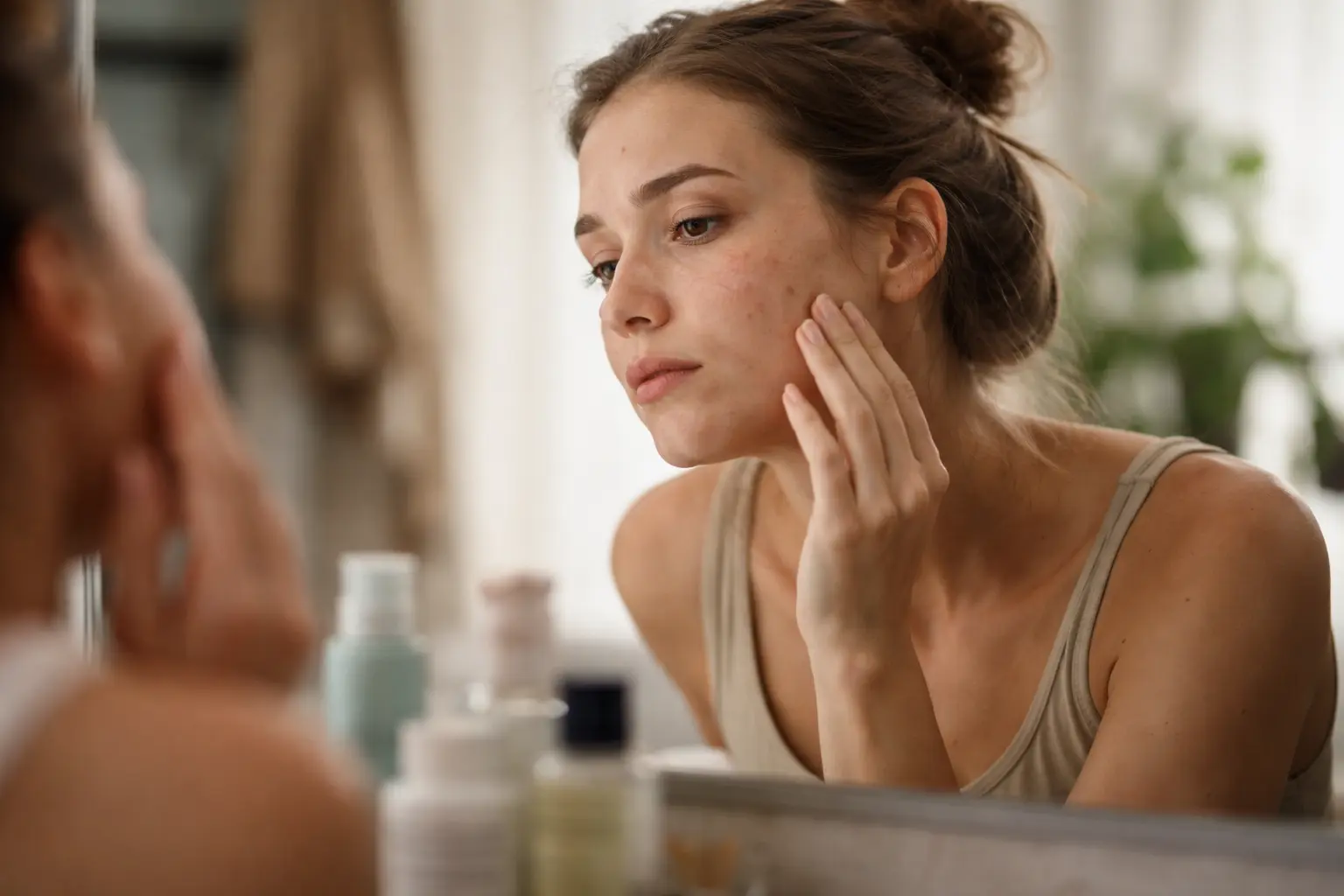
You thought acne was behind you decades ago, but here you are dealing with breakouts that feel unfair and confusing on mature skin, and this acne treatment guide is here to help you understand why it’s happening and what actually works.
Understanding age-appropriate acne remedies
Acne in your sixties, seventies, or beyond feels like a betrayal. Your skin has changed dramatically over the decades, and the harsh acne treatments you might have used in your twenties could actually damage mature skin now. The key difference is that aging skin is thinner, more sensitive, and loses moisture faster than younger skin. When you reach your senior years, hormonal shifts, medications, and changes in skin barrier function can trigger breakouts you haven’t seen in decades. A 68-year-old might develop acne from a new blood pressure medication or hormonal changes, while a 75-year-old could experience breakouts from using products too strong for their delicate complexion. The solution isn’t aggressive treatment but rather targeted, gentle care designed specifically for mature skin. Look for products labeled for sensitive or mature skin types, avoid anything with harsh sulfates or alcohol, and understand that your skin now needs nourishment alongside acne treatment.
- Look for acne products that are formulated for sensitive and mature skin.
- Consider gentle exfoliation methods to avoid irritation on aging skin.
- Consult a dermatologist to create a personalized acne treatment plan.
Exploring topical treatments for acne
Topical treatments are your first line of defense, but not all are created equal for senior skin. Retinoids like tretinoin or adapalene are highly effective at clearing acne and improving skin texture, but they require careful introduction because they can cause redness and peeling initially. Start with the lowest concentration and use it just two or three times weekly, gradually increasing frequency as your skin adapts. Benzoyl peroxide remains effective for killing acne-causing bacteria, but use a lower strength (2.5 percent instead of 10 percent) to avoid over-drying mature skin. Salicylic acid can work well for seniors, but again, lower concentrations are safer. A practical approach: begin with one active ingredient, use it consistently for six to eight weeks, then assess results before adding anything else. Many seniors make the mistake of combining too many treatments at once, which overwhelms the skin barrier and causes irritation rather than clearing. Niacinamide and azelaic acid are gentler alternatives that reduce inflammation and redness without the intensity of retinoids, making them excellent starting points for sensitive mature skin.
📘 Fix your day in under 2 minuteschoose where to begin:
Dietary adjustments for acne management
What you eat directly influences your skin, and this becomes even more important as you age. Inflammatory foods can trigger or worsen acne, while nutrient-dense foods support skin healing and clarity. Reduce refined sugars and processed carbohydrates, which spike blood sugar and can increase sebum production and inflammation. Instead, focus on antioxidant-rich foods like berries, leafy greens, and colorful vegetables that combat free radical damage and support skin repair. Omega-3 fatty acids from fish, flaxseeds, and walnuts reduce inflammation throughout your body, including your skin. Stay hydrated by drinking adequate water daily, as dehydration makes acne worse and accelerates aging. Consider adding foods rich in zinc like pumpkin seeds and chickpeas, which support immune function and skin healing. A 72-year-old who switched from processed snacks to whole foods and increased water intake often sees improvement in acne within four to six weeks. Avoid excessive dairy if you notice it triggers breakouts, as some research suggests a link between dairy consumption and acne in certain individuals. Keep a simple food journal for two weeks to identify personal triggers, then eliminate them systematically to see what makes the biggest difference for your skin.
Stress management for skin wellness
Stress is a silent acne accelerator that many seniors underestimate. When you’re stressed, your body releases cortisol, which increases inflammation and sebum production, making acne worse. Chronic stress also weakens your immune system, making it harder for your skin to fight bacteria and heal. Gentle yoga, practiced three times weekly for just 20 minutes, reduces cortisol levels and improves circulation to your skin. Meditation and deep breathing exercises calm your nervous system and have measurable effects on inflammation within weeks. A 70-year-old who started a daily 10-minute meditation practice often reports clearer skin alongside reduced anxiety. Walking outdoors combines stress relief with vitamin D production, which supports skin health. Progressive muscle relaxation, where you tense and release muscle groups systematically, is particularly effective for seniors and takes only 15 minutes. Tai chi offers similar benefits with gentle movement that’s safe for aging joints. Sleep quality matters enormously, so prioritize seven to nine hours nightly and maintain a consistent sleep schedule. Limit caffeine and screen time before bed, as both interfere with sleep quality and can increase stress hormones that trigger acne.
Holistic approaches to acne care
Holistic care means treating your whole self, not just your skin. Herbal remedies like green tea, taken as a supplement or applied topically, contain polyphenols that reduce sebum and fight acne bacteria. Chamomile tea has calming and anti-inflammatory properties that benefit both your nervous system and your skin when consumed regularly. Essential oils like tea tree and lavender can be diluted in a carrier oil and applied to problem areas, though always patch test first because essential oils can irritate sensitive mature skin. Probiotics, whether taken as supplements or consumed through fermented foods like yogurt and sauerkraut, support gut health, which directly influences skin health through the gut-skin axis. Acupuncture, an ancient practice increasingly validated by modern research, can reduce inflammation and stress while improving circulation. A 68-year-old who combined acupuncture with dietary changes and stress management often experiences significant improvement in acne and overall wellbeing. Herbal teas like burdock root and red clover have traditionally been used to support skin health and can be incorporated into your daily routine. The key to holistic success is consistency and patience, as these approaches work gradually but create lasting results without harsh side effects.
Acne in your senior years is treatable with the right approach. Focus on gentle, age-appropriate topical treatments like low-strength retinoids and benzoyl peroxide, adjust your diet to reduce inflammatory foods while increasing antioxidants and hydration, manage stress through meditation and movement, and explore holistic practices like herbal remedies and acupuncture. Consult a dermatologist to create a personalized plan, be patient as treatments take six to eight weeks to show results, and remember that your mature skin deserves nourishment alongside acne treatment.
Are over-the-counter acne products safe for seniors?
Yes, many over-the-counter acne products are safe for seniors, but it’s crucial to choose gentle formulations designed for mature skin to prevent irritation. Start with lower concentrations of active ingredients like benzoyl peroxide or salicylic acid, introduce one product at a time, and patch test before full application.
Can stress worsen acne in seniors?
Yes, stress can exacerbate acne in seniors by increasing cortisol levels and inflammation. Managing stress through relaxation techniques like meditation, gentle yoga, deep breathing, and adequate sleep can help improve skin health and reduce breakouts.
Others also read:
Disclaimer: This article is for informational purposes only and is not a substitute for professional medical advice. Always consult a healthcare professional for personal guidance.
This guide has been prepared and reviewed by the GlobalHealthBeacon editorial team and reflects current medical research as of 2026. It provides structured, evidence-based information to support informed health decisions.
