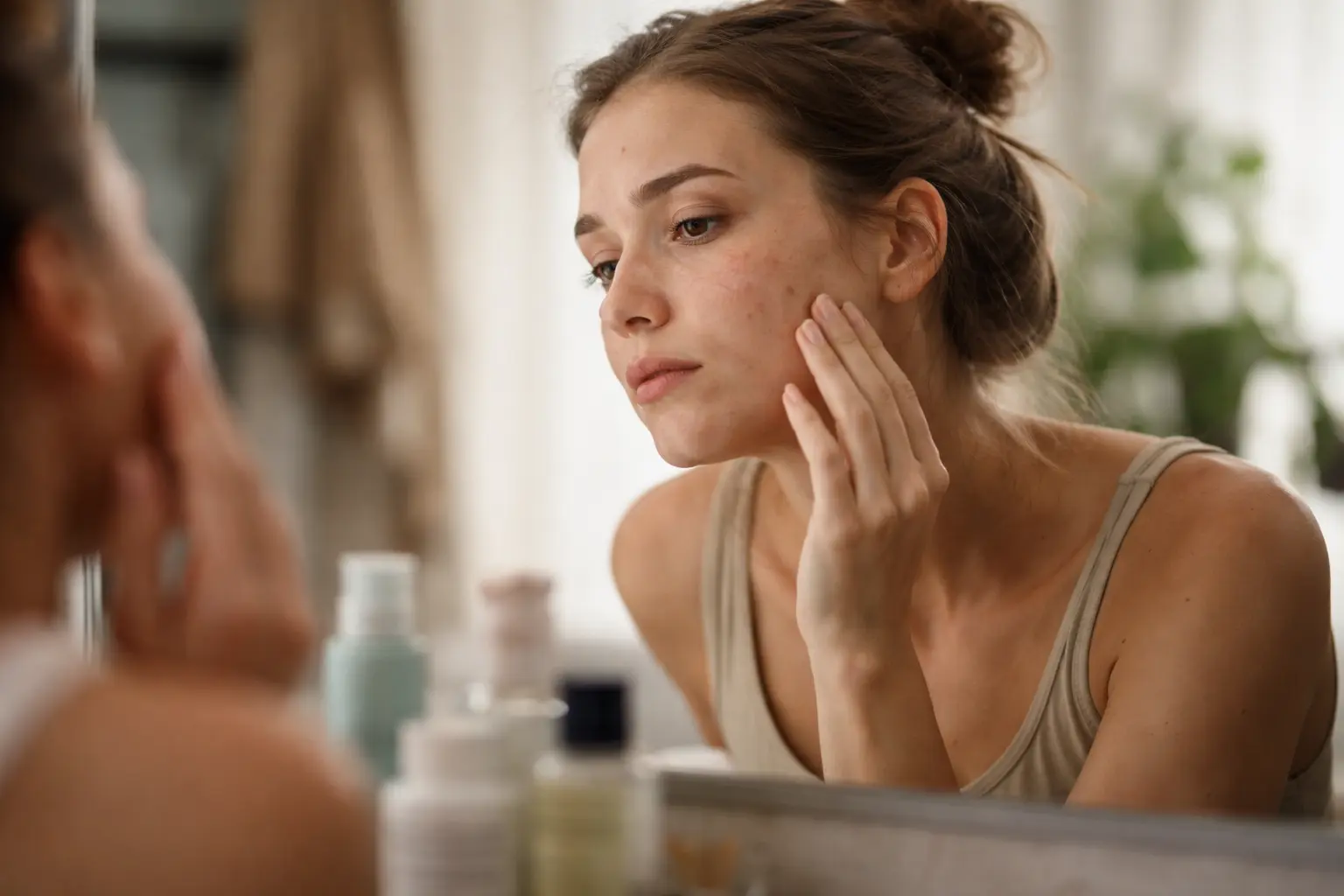
You thought acne was behind you decades ago, but here it is again, showing up on your chin or forehead like an unwelcome guest, and this acne treatment guide is going to help you finally understand why your skin is rebelling and what you can actually do about it.
The science behind acne
Acne is far more complex than most people realize, especially when it develops or persists into your senior years. At its core, acne stems from a combination of biological processes happening simultaneously on your skin. Sebaceous glands produce sebum, an oily substance that normally protects and lubricates skin. However, when these glands become overactive, excess oil accumulates in hair follicles. Simultaneously, dead skin cells fail to shed properly, creating a plug within the pore. This environment becomes a breeding ground for Cutibacterium acnes, a bacterium naturally present on all skin. As the bacteria multiply, they trigger an inflammatory response from your immune system, leading to redness, swelling, and the formation of pimples, blackheads, and whiteheads. For seniors, hormonal fluctuations, medications, and changes in skin barrier function can all intensify these processes, making acne surprisingly common in later life.
Factors influencing acne development
Understanding what triggers your acne is like solving a puzzle with many pieces. Genetics play a significant role; if your parents struggled with acne, your skin likely inherited similar tendencies. Diet has emerged as an important factor in recent research, with some studies suggesting that high-glycemic foods and dairy products may exacerbate breakouts in susceptible individuals. Stress hormones like cortisol can overstimulate sebaceous glands, explaining why breakouts often coincide with stressful periods. Your skincare routine matters tremendously; using products that are too harsh or too heavy can either strip your skin or clog pores. Medications, particularly corticosteroids or certain hormone therapies, can trigger acne as a side effect. Environmental factors such as humidity, pollution, and even friction from tight clothing or frequent face-touching contribute to breakout patterns. For seniors specifically, changes in estrogen levels, thyroid function, and skin hydration capacity all influence acne development. Recognizing your personal triggers allows you to address them strategically rather than treating acne blindly.
Effective acne treatments
Modern acne treatment offers multiple pathways depending on severity and individual circumstances. Topical treatments like benzoyl peroxide work by killing acne-causing bacteria and promoting skin cell turnover, typically showing results within four to eight weeks of consistent use. Retinoids, derived from vitamin A, normalize skin cell shedding and reduce sebum production; they require patience and sun protection but deliver impressive long-term improvements. For moderate acne, oral antibiotics like doxycycline reduce bacterial populations and calm inflammation, though they work best when combined with topical treatments. Isotretinoin, a powerful oral medication reserved for severe cases, can provide long-term remission or even permanent clearance, but requires careful monitoring due to potential side effects. Light-based therapies use specific wavelengths to target bacteria and reduce inflammation without damaging surrounding tissue. Chemical peels accelerate skin cell turnover and unclog pores through controlled exfoliation. For seniors, dermatologists often customize treatment by considering existing medications, skin sensitivity, and overall health status to minimize interactions and adverse effects.
- Schedule a consultation with a dermatologist who can assess your specific acne type, skin condition, and medical history to recommend the most appropriate treatment approach.
- Begin with the gentlest recommended treatment and allow adequate time, typically four to twelve weeks, to evaluate effectiveness before adjusting your regimen.
- Establish a consistent daily skincare routine using products suited to your skin type, applying treatments exactly as prescribed without skipping doses or overusing products.
- Monitor your skin response carefully, keeping notes on which treatments help and which cause irritation, then communicate these observations to your dermatologist at follow-up appointments.
- Incorporate lifestyle modifications such as stress management, dietary adjustments, and improved sleep hygiene alongside medical treatments for optimal results.
🔬 Science-backed benefits in 2 minuteschoose where to begin:
Lifestyle adjustments for acne management
Your daily habits profoundly influence your skin’s ability to heal and prevent breakouts. A balanced diet rich in antioxidants, omega-3 fatty acids, and vitamins supports skin barrier function and reduces inflammation; think colorful vegetables, fatty fish, nuts, and whole grains rather than processed foods. Hydration matters more than many realize; drinking adequate water helps flush toxins and maintains skin elasticity, though it won’t directly cure acne. Stress management is critical because chronic stress elevates cortisol, which stimulates sebum production and weakens immune response. Gentle exercise like walking, swimming, or yoga reduces stress while improving circulation and sleep quality. Speaking of sleep, seven to nine hours nightly allows your body to repair skin damage and regulate hormones. Avoid touching your face throughout the day, as your hands transfer bacteria and oils to vulnerable areas. When cleansing, use lukewarm water and gentle, non-abrasive motions; harsh scrubbing irritates skin and worsens inflammation. For seniors managing multiple health conditions, these lifestyle adjustments often provide benefits beyond acne control, supporting overall wellness and vitality.
Preventive measures for acne
Prevention requires consistent attention to daily practices that protect your skin barrier and minimize breakout triggers. Good hygiene starts with washing your face twice daily with a gentle cleanser appropriate for your skin type, removing oil and bacteria without stripping natural protective oils. Never pick, squeeze, or pop pimples, as this introduces bacteria deeper into the skin, spreads infection, and increases scarring risk. Choose non-comedogenic skincare and makeup products specifically formulated to avoid clogging pores; check labels carefully since many conventional products contain occlusive ingredients. Remove makeup thoroughly before bed using a gentle cleanser or makeup remover, as sleeping in makeup traps bacteria and sebum in follicles overnight. Protect your skin from excessive sun exposure, which can darken acne scars and trigger post-inflammatory hyperpigmentation; use a broad-spectrum sunscreen daily. Change pillowcases frequently to prevent bacterial buildup, and consider using silk pillowcases that create less friction. For seniors, maintaining consistent preventive habits becomes easier when integrated into existing routines, making prevention feel natural rather than burdensome.
Understanding acne biology: a recap
Acne in your senior years isn’t a sign of poor hygiene or youthful indiscretion; it’s a legitimate skin condition rooted in biological processes that can be triggered or worsened by hormonal changes, medications, stress, and environmental factors. The condition develops when excess sebum, dead skin cells, and bacteria combine within hair follicles, triggering inflammation. What makes acne particularly frustrating for seniors is that it often arrives unexpectedly, sometimes after decades of clear skin, because aging brings hormonal shifts, medication side effects, and changes in skin barrier function that create ideal conditions for breakouts. By understanding these underlying mechanisms, you move from feeling helpless to feeling informed and capable. You recognize that acne isn’t your fault, but managing it is within your control through targeted treatments, lifestyle adjustments, and preventive practices. Whether you choose topical treatments, oral medications, professional procedures, or a combination approach, your decisions can now be based on knowledge rather than guesswork. This understanding empowers you to work effectively with your dermatologist and take ownership of your skin health.
Acne affecting seniors stems from interconnected biological factors including hormonal changes, excess sebum production, bacterial growth, and skin barrier changes. Effective management combines personalized medical treatments such as topical retinoids or oral medications with lifestyle adjustments including stress management, balanced nutrition, and consistent skincare routines. Prevention through good hygiene practices, non-comedogenic products, and sun protection significantly reduces breakout frequency. Understanding the science behind your acne transforms it from a mysterious frustration into a manageable condition.
Can diet affect acne development?
Research increasingly suggests that diet influences acne in susceptible individuals. High-glycemic foods that rapidly spike blood sugar may trigger hormonal responses that stimulate sebum production. Some studies indicate that dairy products, particularly skim milk, correlate with increased acne in certain people, possibly due to hormones naturally present in milk. Conversely, diets rich in antioxidants, omega-3 fatty acids, and low-glycemic foods appear to support clearer skin. While diet alone doesn’t cause acne, it can be one modifiable factor worth exploring with your dermatologist.
Is it safe to use over-the-counter acne products?
Over-the-counter acne products containing benzoyl peroxide or salicylic acid are generally safe for mild acne when used as directed. However, seniors should exercise caution because aging skin is often more sensitive and may react negatively to strong ingredients. Additionally, over-the-counter products may interact with prescription medications or exacerbate conditions like rosacea. Consulting your dermatologist before starting any new treatment ensures the product suits your specific skin type, won’t interfere with existing medications, and provides appropriate guidance for use.
Others also read:
Disclaimer: This article is for informational purposes only and is not a substitute for professional medical advice. Always consult a healthcare professional for personal guidance.
This article has been prepared and reviewed by the GlobalHealthBeacon editorial team and is based on current medical research and published scientific literature available in 2026. It provides structured, evidence-based information to support informed health decisions.
