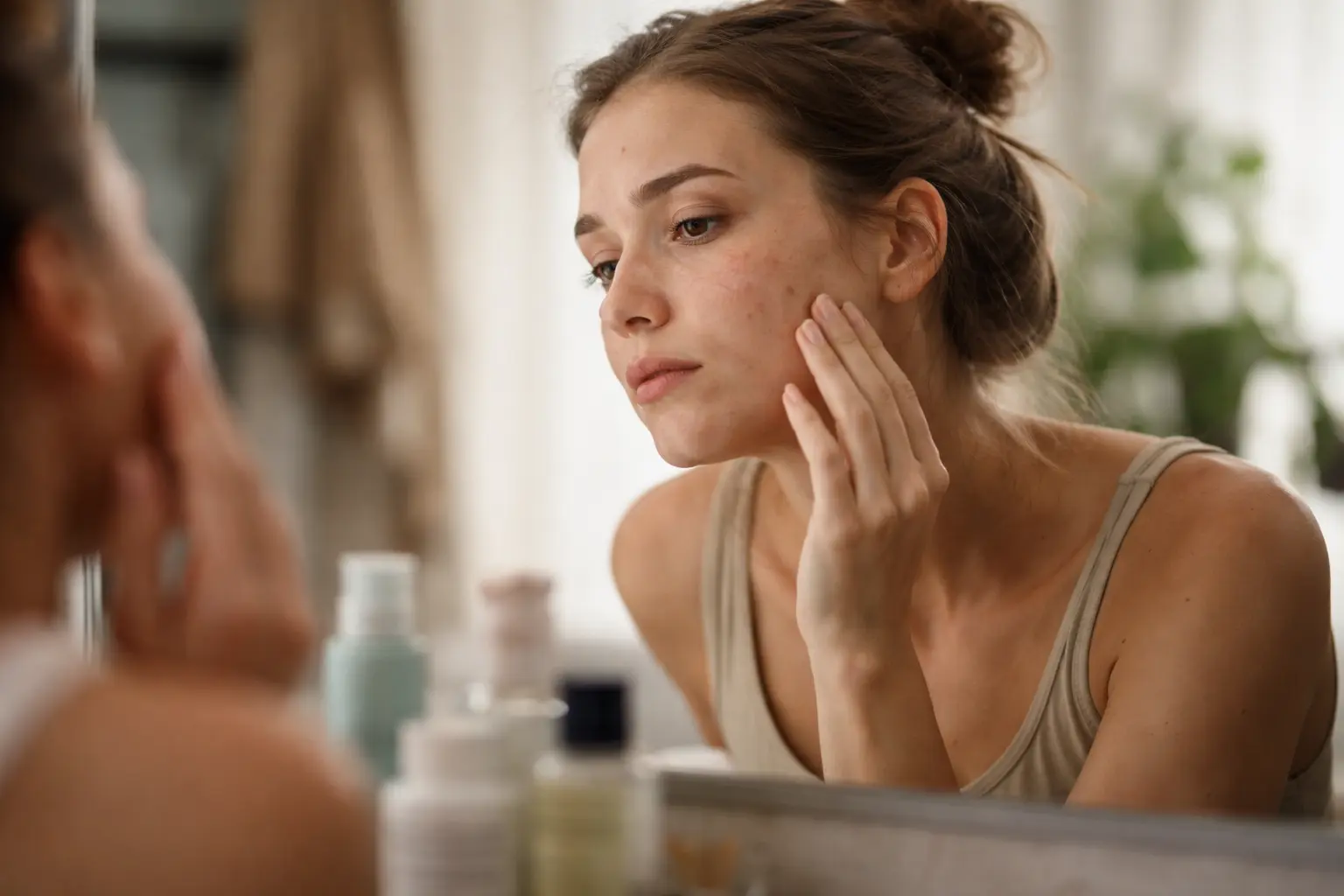
You wake up, look in the mirror, and there it is again—another breakout right before an important meeting, and you’re left wondering why your skin keeps betraying you when you’re doing everything right, which is exactly why this acne treatment guide exists to finally explain what’s actually happening beneath your skin.
The role of hormones in acne
Hormones are the invisible architects behind many of your skin struggles. Androgens, a group of hormones present in all bodies but typically higher in people assigned male at birth, directly stimulate your sebaceous glands to produce excess sebum, an oily substance that can trap bacteria and dead skin cells inside your pores. Think of it like a traffic jam on your skin’s surface. During puberty, your hormone levels surge dramatically, which is why so many women experience their first significant acne breakouts during their teenage years. But here’s what catches many women off guard: acne doesn’t stop after adolescence. Hormonal fluctuations continue throughout your menstrual cycle, with many women noticing breakouts intensify during the luteal phase, roughly one to two weeks before their period. Pregnancy brings another wave of hormonal shifts that can either clear skin or trigger severe breakouts. Even menopause, when estrogen and progesterone decline, can reactivate acne that disappeared decades earlier. Understanding these patterns helps you recognize that your breakouts aren’t random or a sign of poor hygiene, but rather a predictable response to your body’s natural hormonal rhythms.
Causes of women’s acne
While hormones play a starring role, acne is genuinely multifactorial, meaning several causes often work together to create breakouts. Genetics matter significantly; if your mother or grandmother struggled with acne, your skin likely inherited similar sensitivities. Stress triggers cortisol release, which can amplify androgen production and increase sebum output, explaining why you might break out during exam weeks or after stressful life events. Diet influences acne more than many realize, though not in the simplistic way older advice suggested. High-glycemic foods and dairy products may trigger inflammation in susceptible individuals, though the effect varies widely. Your skincare routine itself can backfire if you’re using comedogenic products that clog pores or over-washing, which strips your skin’s protective barrier and causes it to overproduce oil in compensation. Environmental factors like humidity, pollution, and even the friction from tight hats or phone screens pressed against your face contribute to breakouts. Some women discover their acne flares with specific medications, supplements, or even certain laundry detergents. The key insight is that your acne likely stems from a unique combination of these factors, not just one culprit, which is why a one-size-fits-all approach rarely works.
Effective steps for managing women’s acne
Managing acne effectively requires a systematic approach tailored to your specific situation. Start by consulting a dermatologist who can examine your skin, assess your hormonal patterns, and identify which factors are driving your particular breakouts. They might recommend blood work to check hormone levels, especially if your acne is severe or resistant to standard treatments. Once you understand your acne’s root cause, select skincare products deliberately. Non-comedogenic products won’t clog your pores, but equally important is using the right formulations for your skin type. If you have oily, acne-prone skin, lightweight gel cleansers and oil-free moisturizers work better than heavy creams. Nutrition matters too; focus on whole foods like leafy greens, fatty fish rich in omega-3s, berries packed with antioxidants, and legumes that provide sustained energy without blood sugar spikes. Hydration supports your skin’s barrier function, so drinking adequate water throughout the day helps your skin maintain its protective layer. Keep a simple log of your breakouts, noting when they occur relative to your menstrual cycle, stress levels, and what you ate, which creates a personal acne map that reveals your unique triggers. This detective work transforms acne management from guesswork into informed strategy.
- Consult a dermatologist for personalized treatment and possible hormone testing
- Choose non-comedogenic skincare products matched to your skin type
- Follow a balanced diet rich in whole foods and anti-inflammatory nutrients
🔬 Science-backed benefits in 2 minuteschoose where to begin:
Treatment options for women’s acne
Modern acne treatment offers multiple pathways, and your dermatologist can help match the right option to your situation. Topical treatments like benzoyl peroxide kill acne-causing bacteria and are effective for mild to moderate acne, while retinoids increase skin cell turnover and unclog pores, though they require patience as results take six to twelve weeks. For hormonal acne specifically, oral contraceptives regulate the hormonal fluctuations that trigger breakouts; certain formulations with specific progestin types work particularly well for acne-prone skin. Anti-androgen medications like spironolactone block the effects of androgens on sebaceous glands, making them especially useful for women with hormonal acne who don’t want hormonal contraception. Oral antibiotics reduce bacterial populations and inflammation but work best short-term because bacteria develop resistance. For severe, scarring acne that doesn’t respond to other treatments, isotretinoin is a powerful option that can produce long-term remission or cure, though it requires careful monitoring due to potential side effects. Many dermatologists combine treatments, such as pairing a topical retinoid with oral contraceptives, to address multiple acne mechanisms simultaneously. Your treatment plan might evolve as your skin responds, requiring adjustments over weeks or months.
Lifestyle changes to improve acne
Beyond medical treatments, your daily habits profoundly influence acne severity. Regular exercise improves circulation, reduces stress hormones, and supports healthy skin from within, though showering after sweaty workouts prevents sweat and bacteria from sitting on your skin. Stress management techniques like meditation, yoga, or even fifteen-minute walks activate your parasympathetic nervous system, lowering cortisol and reducing the hormonal cascade that fuels breakouts. Sleep quality directly affects hormone balance and skin repair; during deep sleep, your body increases blood flow to skin and rebuilds collagen, so prioritizing seven to nine hours nightly is an acne-fighting strategy, not a luxury. Limiting alcohol and caffeine, which can dehydrate skin and trigger inflammation, helps maintain your skin’s resilience. Gentle handling matters too; avoid touching your face throughout the day, which transfers bacteria and irritates existing lesions. If you wear makeup, choose non-comedogenic formulas and remove them thoroughly each evening with a gentle cleanser. Consider your environment; if you live in a humid climate, your skin may need lighter moisturizers, while dry climates require more hydration. These lifestyle shifts work synergistically with medical treatments, creating conditions where your skin can heal and your hormones can stabilize naturally.
Seek professional guidance for persistent acne
If you’ve tried various treatments for weeks or months without meaningful improvement, professional guidance becomes essential rather than optional. A dermatologist can distinguish between acne and similar-looking conditions like rosacea or folliculitis, which require entirely different approaches. They assess whether your acne is truly hormonal by evaluating patterns, severity, and associated symptoms like irregular periods or excess facial hair, which might indicate underlying hormonal conditions like polycystic ovary syndrome. Persistent acne sometimes signals that your current treatment isn’t addressing the root cause; for example, if you’re using topical treatments but your acne is driven by hormonal fluctuations, switching to hormonal therapy might finally break the cycle. Dermatologists also monitor for complications like post-inflammatory hyperpigmentation or scarring, which require specific interventions to prevent permanent skin changes. They can adjust your treatment plan based on how your skin responds, recognizing that what works for your friend might not work for you because everyone’s acne has a unique biochemical signature. Regular follow-up appointments ensure you’re not stuck in an ineffective routine, wasting time and money on products that won’t help. Professional guidance transforms acne from a frustrating mystery into a manageable condition with a clear path forward.
Understanding the hormonal influences and various causes of women’s acne is crucial for effective management. Personalized treatment plans, including lifestyle changes and medical interventions, can help in achieving clearer skin.
Can hormonal changes during pregnancy worsen acne?
Hormonal fluctuations during pregnancy can indeed trigger or exacerbate acne breakouts. It is essential to consult a dermatologist for safe and effective treatment options during pregnancy.
Are over-the-counter acne products effective for women’s acne?
Over-the-counter acne products can be effective for mild acne, but for persistent or severe cases, seeking professional advice from a dermatologist is recommended for personalized treatment.
Others also read:
Disclaimer: This article is for informational purposes only and is not a substitute for professional medical advice. Always consult a healthcare professional for personal guidance.
This article has been prepared and reviewed by the GlobalHealthBeacon editorial team and is based on current medical research and published scientific literature available in 2026. It provides structured, evidence-based information to support informed health decisions.
