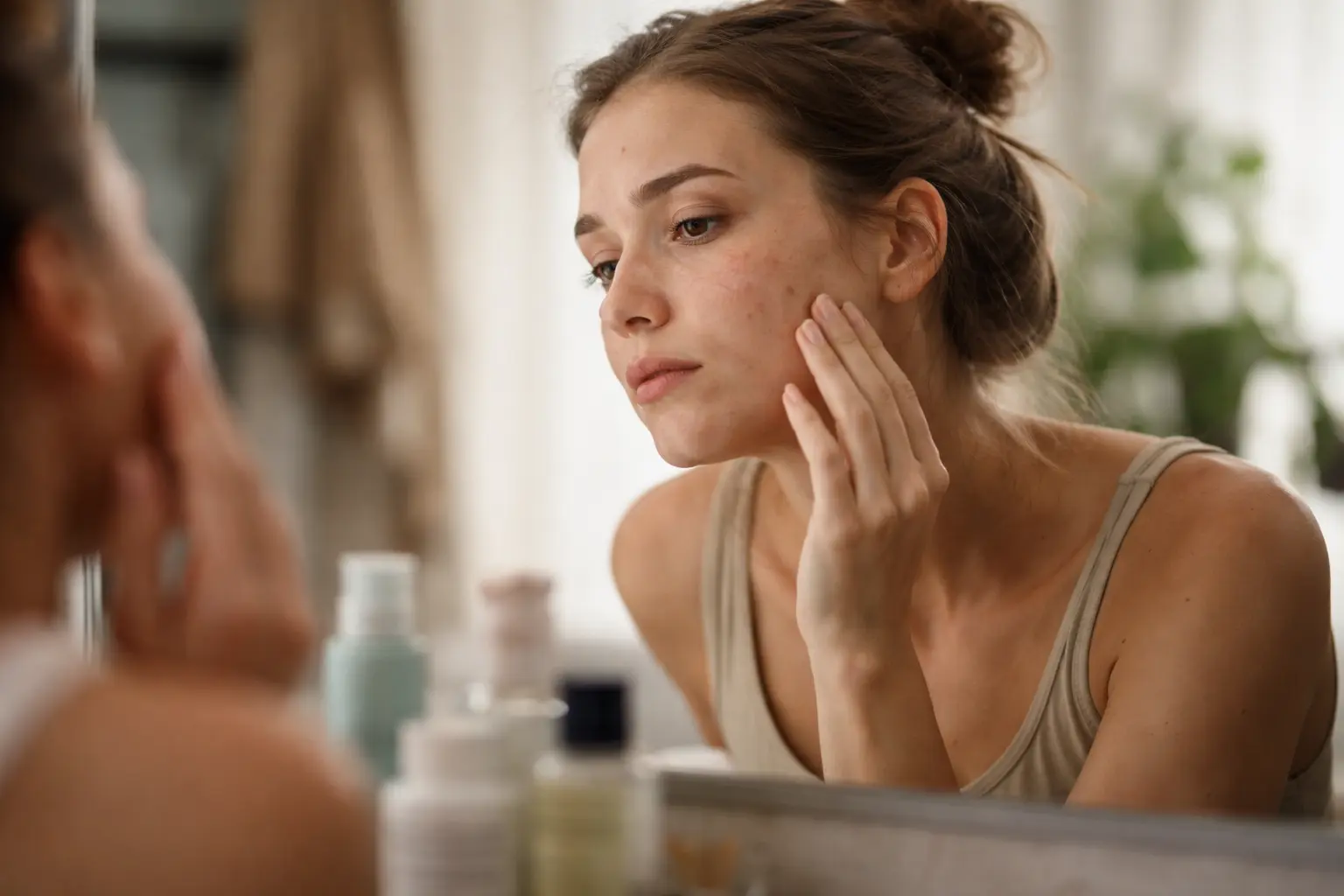
You wake up, look in the mirror, and there it is again—another breakout right when you need clear skin most, and this acne treatment guide is here to finally explain why your face keeps betraying you.
Hormonal imbalance and acne
For many young adults, hormonal changes are the invisible culprit behind persistent acne. During puberty and into early adulthood, your body experiences significant fluctuations in androgen hormones, particularly testosterone. These hormones directly stimulate your sebaceous glands, which are tiny oil-producing structures attached to hair follicles throughout your skin. When androgen levels spike, these glands shift into overdrive, producing excess sebum. Imagine your skin’s oil production like a faucet that suddenly turns up to full blast. This excess oil doesn’t just sit on your skin’s surface; it travels down into your pores, mixing with dead skin cells and bacteria. The combination creates the perfect environment for acne to develop. What makes this particularly frustrating for young adults is that hormonal fluctuations don’t follow a predictable schedule. A stressful week at work, changes in your menstrual cycle if you menstruate, or even seasonal shifts can trigger hormonal surges that lead to breakouts. Understanding that your acne isn’t a personal hygiene failure but rather a biological response to hormonal activity is the first step toward managing it effectively.
Genetics and acne susceptibility
Your parents’ skin history is more predictive of your acne journey than you might realize. Genetics play a surprisingly powerful role in determining whether you’ll struggle with acne. If both your parents dealt with acne during their teenage years or early adulthood, research suggests you have a significantly higher likelihood of experiencing acne yourself. But genetics don’t work in isolation; they influence multiple factors that contribute to acne development. Some people inherit naturally oilier skin due to having more active sebaceous glands or glands that are simply more responsive to hormonal signals. Others inherit a predisposition toward having more sensitive skin or a compromised skin barrier that makes them more prone to inflammation when bacteria colonize clogged pores. Additionally, genetic factors can influence how your immune system responds to acne-causing bacteria like Cutibacterium acnes, formerly known as Propionibacterium acnes. Some individuals’ immune systems mount a more aggressive inflammatory response, leading to deeper, more painful lesions. Understanding your genetic predisposition isn’t about accepting defeat; rather, it’s about recognizing that your acne may require more targeted, persistent management strategies than someone without a family history of acne.
Inflammatory response and acne
Acne isn’t simply about clogged pores; it’s fundamentally an inflammatory condition. When a pore becomes blocked with excess sebum, dead skin cells, and bacteria, your body’s immune system recognizes this as a problem and launches an inflammatory response. White blood cells rush to the area, attempting to fight off bacterial growth and clear the blockage. This immune activity causes the redness, swelling, and warmth you feel around a pimple. The inflammatory cascade involves multiple signaling molecules called cytokines that amplify the immune response. In some cases, this inflammation becomes so intense that it damages surrounding skin tissue, leading to deeper cystic acne or scarring. Think of it like your body’s security system overreacting to a minor intrusion; the response itself becomes more damaging than the original problem. This is why picking or aggressively scrubbing acne lesions is counterproductive. Every time you manipulate a pimple, you’re triggering additional inflammation, spreading bacteria deeper into the skin, and increasing the risk of permanent scarring. The inflammatory nature of acne also explains why some topical treatments work: they target either the bacteria fueling the response or the inflammatory molecules themselves, helping your immune system calm down.
- Avoid harsh scrubbing or picking at acne lesions to prevent further inflammation and reduce scarring risk.
- Use gentle, non-comedogenic skincare products that won’t clog pores or trigger additional immune responses.
- Consider incorporating topical treatments like benzoyl peroxide to reduce acne-causing bacteria or salicylic acid to exfoliate dead skin cells and reduce pore blockages.
🔬 Science-backed benefits in 2 minuteschoose where to begin:
Diet and lifestyle factors
While diet and lifestyle don’t directly cause acne, they significantly influence how severe your breakouts become and how quickly your skin can heal. Consuming a diet high in refined sugars and processed foods can trigger rapid blood sugar spikes, which stimulate insulin release. Elevated insulin levels amplify androgen hormone production, intensifying sebum production and inflammation. Picture your body as a finely tuned system; when you flood it with high-glycemic foods, you’re essentially sending hormonal signals that prioritize oil production over skin health. Stress operates through a similar mechanism. When you’re stressed, your body releases cortisol and adrenaline, which can increase androgen production and trigger inflammatory responses throughout your body, including your skin. Sleep deprivation compounds this problem by preventing your body from completing its natural repair cycles and maintaining hormonal balance. Young adults juggling work, school, and social commitments often sacrifice sleep and stress management, inadvertently creating conditions where acne thrives. Conversely, prioritizing consistent sleep, managing stress through exercise or meditation, and consuming a diet rich in whole foods and antioxidants can support your skin’s natural healing processes and reduce acne severity.
Environmental factors and acne
Your external environment constantly interacts with your skin, and pollution and humidity can significantly impact acne development. Air pollution contains microscopic particles and oxidative compounds that settle on your skin’s surface and can penetrate into pores. These particles physically clog pores and trigger inflammatory responses as your skin attempts to expel them. If you live in an urban area or spend significant time in traffic, you’re exposing your skin to diesel exhaust, heavy metals, and other irritants that accumulate throughout the day. Humidity presents a different challenge. In humid climates or during summer months, increased moisture in the air stimulates your sebaceous glands to produce more oil, creating an environment where bacteria thrive and pores become more easily blocked. Conversely, dry environments can compromise your skin barrier, making it more susceptible to irritation and inflammation. Wearing tight clothing, sports equipment, or backpack straps that create friction and trap sweat and bacteria against your skin can also trigger localized acne, a condition called acne mechanica. Protecting your skin through proper cleansing after exposure to pollution, using non-comedogenic moisturizers suited to your climate, and minimizing friction on acne-prone areas are practical strategies for managing environmental acne triggers.
Effective acne management strategies
Managing acne effectively requires understanding that it’s not a one-size-fits-all condition. The scientific mechanisms driving your acne may differ from someone else’s, which is why a personalized approach works better than generic solutions. Some young adults benefit most from hormonal interventions, such as hormonal contraceptives that regulate androgen levels, while others see better results from topical treatments targeting bacterial growth and inflammation. Lifestyle modifications form the foundation of any acne management strategy. Establishing a consistent skincare routine with gentle cleansing, non-comedogenic products, and targeted treatments creates an environment where your skin can heal. Simultaneously, addressing underlying factors like stress, sleep quality, and diet amplifies the effectiveness of topical treatments. Many young adults find that combining approaches yields the best results: perhaps a topical retinoid to increase cell turnover, a benzoyl peroxide wash to reduce bacteria, dietary adjustments to stabilize blood sugar and hormones, and stress management techniques to lower cortisol. Tracking your breakouts and identifying patterns helps you understand which factors most influence your acne. Does your skin worsen during high-stress periods? After eating certain foods? During specific times of your menstrual cycle? This detective work empowers you to make targeted changes rather than guessing at solutions.
Acne in young adults stems from interconnected biological and environmental factors rather than a single cause. Hormonal fluctuations drive excess oil production, genetic predisposition influences your skin’s sensitivity and immune response, inflammatory cascades create visible lesions, and lifestyle factors like diet, stress, and sleep either support or undermine your skin’s health. Environmental exposures add another layer of complexity. By understanding these mechanisms, you can move beyond frustration and develop targeted strategies tailored to your specific situation, whether that involves hormonal management, topical treatments, lifestyle adjustments, or a combination approach.
Can hormonal changes during adulthood cause acne?
Yes, hormonal fluctuations throughout adulthood, not just during puberty, can trigger acne. Androgen hormones stimulate sebaceous glands to produce excess oil, which clogs pores and creates conditions for acne development. Women may experience hormonal acne related to menstrual cycles, pregnancy, or hormonal contraceptive use. Men can experience acne triggered by stress-related cortisol and androgen surges. Medical interventions targeting hormonal balance or lifestyle modifications that support hormonal stability can help reduce acne severity.
Do diet and lifestyle choices affect acne development?
While diet and lifestyle don’t directly cause acne, they significantly influence its severity and your skin’s ability to heal. High-glycemic foods trigger insulin spikes that amplify androgen production and inflammation. Chronic stress elevates cortisol, which increases oil production and inflammatory responses. Poor sleep prevents your body from completing repair cycles and maintaining hormonal balance. Conversely, consuming whole foods, managing stress effectively, and prioritizing sleep support your skin’s natural healing processes and can reduce acne breakouts.
Others also read:
Disclaimer: This article is for informational purposes only and is not a substitute for professional medical advice. Always consult a healthcare professional for personal guidance.
This article has been prepared and reviewed by the GlobalHealthBeacon editorial team and is based on current medical research and published scientific literature available in 2026. It provides structured, evidence-based information to support informed health decisions.
