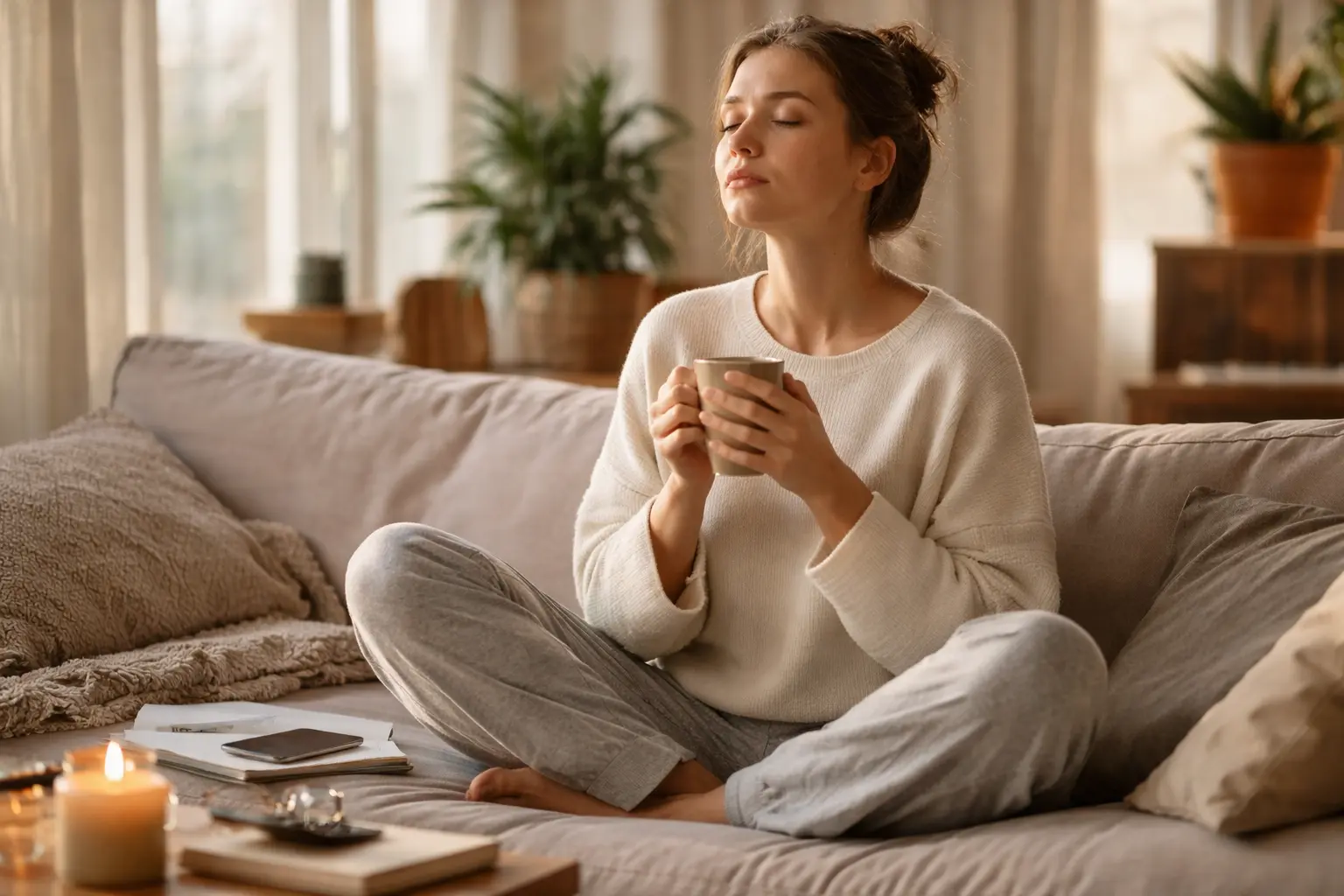
Your shoulders are tight, your mind won’t stop racing, and simple tasks feel overwhelming – but here’s the truth: daily stress reduction strategies can genuinely change how you feel, and you don’t need complicated fixes to start feeling better today.
Mindfulness meditation
Mindfulness meditation works by anchoring your attention to the present moment, which naturally quiets the mental chatter that fuels stress. Start with just five minutes in a comfortable chair, focusing entirely on your breath as it enters and leaves your body. When your mind wanders, gently bring it back without judgment. Many seniors find that practicing this early morning, before the day’s demands pile up, makes a real difference. For example, Margaret, a 72-year-old retiree, noticed her anxiety about health concerns dropped noticeably after two weeks of consistent practice. The key is consistency over duration. Even three minutes daily beats sporadic longer sessions. You might also try body scan meditation, where you mentally move through each part of your body, releasing tension as you go. Some people combine this with gratitude by mentally noting one thing they appreciate, which shifts the brain away from worry mode and toward calm recognition of what’s working in their life.
- Mindful breathing exercises to calm your mind
- Body scan meditation to release tension in your body
- Practice gratitude to promote positivity and reduce stress
Physical activity
Movement is one of the most underrated stress fighters available to you. When you exercise, your body releases endorphins, natural chemicals that improve mood and reduce pain perception. The good news is that you don’t need intense workouts. A 20-minute walk around your neighborhood, gentle yoga stretches at home, or tai chi in a local park all count. Consider Robert, a 68-year-old who started walking just three times weekly and within a month felt noticeably less irritable and slept better. The social aspect matters too: joining a walking group or fitness class adds connection, which amplifies stress relief. Start where you are. If you’ve been sedentary, begin with 10-minute walks and gradually build up. Pay attention to how your body feels afterward, not during. Many seniors discover that the calm clarity they feel after moving their body becomes motivation to keep going. Consistency matters more than intensity, so choose activities you actually enjoy rather than forcing yourself into something you dread.
📘 Fix your day in under 2 minuteschoose where to begin:
Healthy eating habits
What you eat directly affects your nervous system’s ability to handle stress. A diet heavy in processed foods, refined sugars, and excess caffeine keeps your body in a heightened alert state, making stress feel worse. Instead, focus on whole foods: colorful vegetables, fresh fruits, whole grains, and lean proteins like fish, chicken, or legumes. These foods provide steady energy and nutrients your brain needs to regulate mood. Consider Helen’s experience: she cut back on afternoon coffee and sugary snacks, replacing them with herbal tea and almonds. Within weeks, her anxiety lessened and her energy became more stable. Omega-3 rich foods like salmon and walnuts have been shown to support mental health. Magnesium-rich foods like spinach and pumpkin seeds help muscles relax. The practical approach is simple: add more of the good stuff rather than obsessing over restriction. When you’re well-nourished, your body has better resources to manage stress. Small changes compound, so start with one or two adjustments rather than overhauling everything at once.
Quality sleep
Sleep is when your brain processes emotions and consolidates memories, so poor sleep makes stress feel heavier and recovery slower. Aim for seven to nine hours nightly by establishing a wind-down routine starting an hour before bed. This might mean dimming lights, putting away screens, reading, or listening to calm music. Your bedroom should be cool, dark, and quiet. James, a 70-year-old, struggled with racing thoughts at night until he started a simple routine: a warm cup of chamomile tea, 15 minutes of gentle stretching, and reading for 20 minutes. Within two weeks, his sleep improved and his daytime stress tolerance increased significantly. Avoid caffeine after 2 p.m. and heavy meals close to bedtime. If your mind still races, try the 4-7-8 breathing technique: breathe in for four counts, hold for seven, exhale for eight. This activates your parasympathetic nervous system, signaling your body that it’s safe to rest. Sleep isn’t a luxury; it’s a stress-management tool. When you prioritize it, everything else becomes more manageable.
Social connections
Isolation amplifies stress, while meaningful connection buffers against it. Regular contact with friends and family provides emotional support, practical help, and a sense of belonging that reduces anxiety. This doesn’t require elaborate outings. A weekly phone call, a coffee date with a friend, or joining a hobby group all count. Dorothy, a 75-year-old widow, felt isolated until she joined a book club. The weekly gathering gave her something to look forward to, meaningful conversation, and new friendships. Her stress about aging alone diminished noticeably. Sharing your feelings with trusted people also matters. You don’t need to solve problems together; simply being heard reduces the weight you carry. If mobility is limited, video calls with grandchildren or virtual classes keep you connected. Volunteering is another powerful option: helping others gives purpose and builds community simultaneously. Start small if socializing feels daunting after isolation. One regular connection is better than sporadic attempts at many. The human need for belonging isn’t weakness; it’s biology. Prioritizing relationships is as important as diet or exercise for managing stress.
Effective stress management techniques for seniors include mindfulness meditation, physical activity, healthy eating habits, quality sleep, and maintaining social connections.
How soon can I expect to see results from these stress reduction strategies?
The effectiveness of these techniques varies among individuals, but consistent practice can lead to noticeable improvements in stress levels within a few weeks.
Are these strategies suitable for all seniors, regardless of physical abilities?
Yes, these stress reduction techniques can be adapted to accommodate various physical abilities and fitness levels. Consult with a healthcare provider for personalized recommendations.
Others also read:
Disclaimer: This article is for informational purposes only and is not a substitute for professional medical advice. Always consult a healthcare professional for personal guidance.
This guide has been prepared and reviewed by the GlobalHealthBeacon editorial team and reflects current medical research as of 2026. It provides structured, evidence-based information to support informed health decisions.
