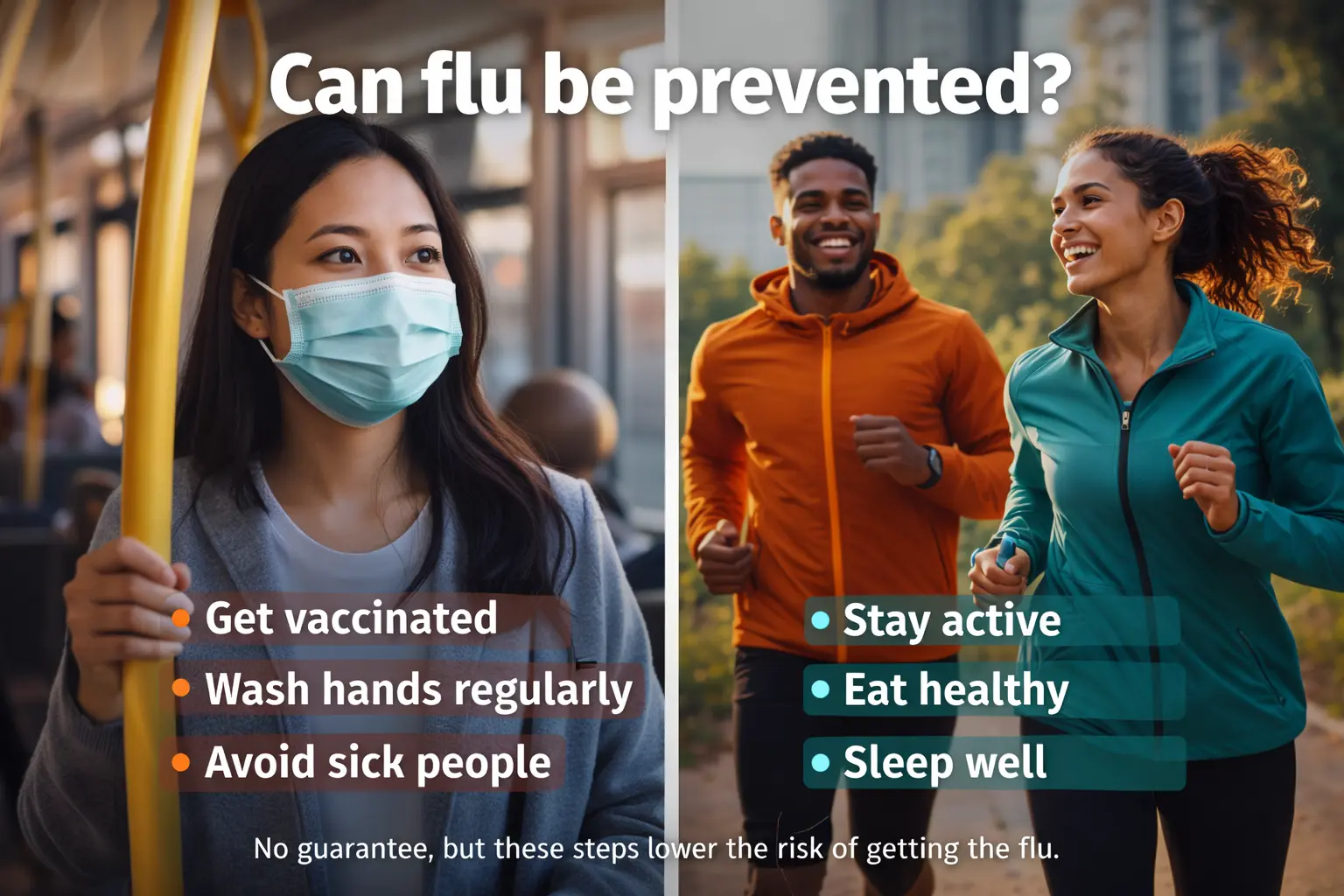
Tired of catching the flu every season while everyone around you stays healthy? Stop wondering if can flu be prevented naturally and start actually doing something about it with proven strategies that work.
Boosting immunity naturally
Your immune system is your first line of defense, and building it up takes intentional choices. Start by filling your plate with a rainbow of fruits and vegetables, not just for the sake of it, but because each color delivers different nutrients your body needs. Think of it this way: when you eat orange carrots and sweet potatoes, you’re getting beta-carotene; when you choose dark leafy greens, you’re getting folate and minerals. Add probiotics from yogurt or fermented foods to support your gut health, since about 70 percent of your immune system lives there. Move your body for at least 150 minutes weekly, whether that’s brisk walking, dancing, or swimming. Hydration matters too, so drink water consistently throughout the day. Most importantly, prioritize sleep. When you sleep, your body produces cytokines that fight infection. Skipping sleep is like showing up to battle without armor.
- Eat a variety of colored fruits and vegetables daily.
- Incorporate probiotics into your diet to support gut health.
- Aim for at least 150 minutes of moderate exercise weekly.
Maintaining good hygiene practices
Hygiene is not complicated, but it does require consistency. Wash your hands with soap and water for at least 20 seconds, especially before meals, after using the restroom, and after touching public surfaces. The soap breaks down the flu virus’s protective layer, so plain soap works just as well as antibacterial versions. When you cannot access a sink, keep a hand sanitizer with at least 60 percent alcohol in your bag or car. Avoid touching your face throughout the day, even though it feels natural. The flu enters through your eyes, nose, and mouth, so every time you touch your face with contaminated hands, you increase your risk. During flu season, maintain distance from people who are visibly sick. If someone at work is coughing, it is reasonable to step back or suggest they work from home. Cover your mouth when you cough or sneeze with your elbow or a tissue, not your hands.
📘 Fix your day in under 2 minuteschoose where to begin:
Staying up-to-date with vaccinations
The annual flu shot is one of the most straightforward preventive tools available to you. Vaccines train your immune system to recognize and fight specific flu strains before you encounter them in the wild. Yes, you might still get the flu after vaccination, but your symptoms will likely be milder and your recovery faster. Effectiveness varies year to year because scientists must predict which strains will circulate, but protection is still worth pursuing. Talk to your healthcare provider about timing, especially if you have underlying conditions, allergies, or take medications. Some women prefer getting vaccinated in September or October to ensure protection through the peak season. If you have never had a flu shot or have questions about which formulation suits you best, your doctor can walk you through the options and address your specific health profile.
Creating a clean living environment
Your home should be a sanctuary where the flu virus cannot easily survive. Start by identifying high-touch surfaces: doorknobs, light switches, remote controls, your phone, and kitchen counters. Wipe these down with disinfectant wipes or a cloth dampened with diluted bleach solution at least twice weekly, more often if someone in your household is sick. Open windows regularly to increase air circulation, which naturally reduces the concentration of airborne viruses. If you live in a climate where that is not always possible, consider running a humidifier to maintain moisture levels between 40 and 60 percent, since dry air allows viruses to spread more easily. Air purifiers with HEPA filters can capture particles, though they work best in smaller rooms. Keep your bedroom especially clean since you spend a third of your life there, and a restful sleep environment supports immune function.
Managing stress effectively
Chronic stress suppresses your immune response, making you more vulnerable to infection. When you are stressed, your body produces cortisol, which diverts resources away from immune function. Counteract this by building stress management into your routine, not as a luxury but as a health necessity. Try deep breathing exercises for five minutes daily, even just before bed. Meditation does not require sitting in silence for an hour; even ten minutes can calm your nervous system. Yoga combines movement with mindfulness and has been shown to boost immune markers. Find activities that genuinely bring you joy, whether that is reading, gardening, time with friends, or creative hobbies. Self-care is not selfish; it is maintenance. When you prioritize rest and joy, you are actively strengthening your body’s ability to fight off illness.
Maintain a healthy lifestyle, practice good hygiene, consider vaccinations, ensure a clean environment, and manage stress effectively to lower your risk of contracting the flu.
How effective are flu vaccines in preventing the flu?
Flu vaccines are designed to protect against specific strains of the influenza virus. While their effectiveness can vary each year, getting vaccinated remains a crucial step in flu prevention.
Can natural remedies alone prevent the flu?
While natural remedies can support your immune system, they should be complemented with other preventive measures like vaccinations and good hygiene practices for comprehensive flu protection.
Others also read:
Disclaimer: This article is for informational purposes only and is not a substitute for professional medical advice. Always consult a healthcare professional for personal guidance.
This guide has been prepared and reviewed by the GlobalHealthBeacon editorial team and reflects current medical research as of 2026. It provides structured, evidence-based information to support informed health decisions.
