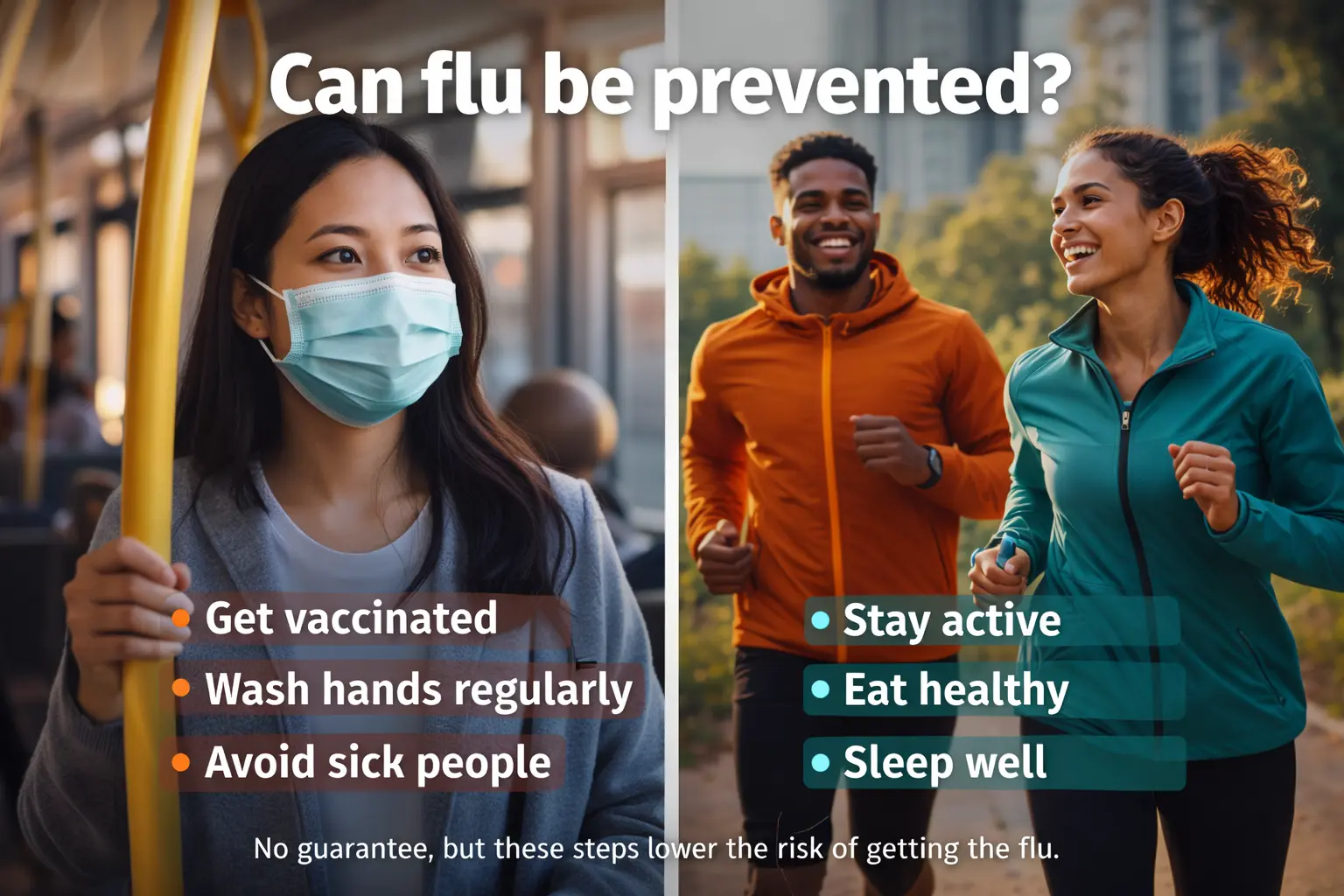
Every October, that familiar dread creeps in: flu season is coming, and you’re wondering if you’re going to be the one stuck in bed for weeks while your immune system struggles to catch up. Can flu be prevented naturally, or are you just hoping for the best each year?
Flu virus transmission
The flu virus spreads through respiratory droplets released when an infected person coughs, sneezes, or even talks. Picture this: someone in the grocery store sneezes without covering their mouth, and tiny droplets travel up to six feet, landing on surfaces or directly into the air you breathe. For seniors, this becomes particularly concerning because the virus can linger on commonly touched surfaces like door handles, shopping carts, and handrails for hours. The elderly face higher risk not just because of exposure, but because their immune systems have naturally weakened over decades. A 75-year-old’s immune response isn’t as quick or vigorous as a 35-year-old’s, meaning the virus can establish itself more easily. Understanding this transmission pattern helps explain why seniors in crowded places like pharmacies, doctor’s offices, or public transportation face greater vulnerability during peak flu months.
Immune response to flu
When the flu virus enters your body, your immune system springs into action. White blood cells recognize the invader and begin producing antibodies, which are specialized proteins designed to neutralize and eliminate the virus. In younger people, this process happens rapidly and efficiently. In seniors, however, this response is slower and sometimes less effective. This phenomenon, called immunosenescence, means the body takes longer to mount a defense and may produce fewer antibodies overall. Think of it like an alarm system that still works but responds more slowly. A senior’s immune system might take two to three weeks to fully recognize and fight off the flu, whereas a younger person might clear it in one week. This delayed response is why seniors often experience more severe symptoms and longer recovery times. Additionally, seniors who have received flu vaccines in previous years may have some residual immunity, which can help reduce the severity of infection even if they still contract the virus.
Effective flu prevention strategies
Prevention for seniors involves a multi-layered approach rather than relying on any single method. Annual flu vaccination is the cornerstone of protection, with research showing that vaccinated seniors have significantly lower rates of hospitalization and death compared to unvaccinated peers. Hand hygiene goes beyond a quick rinse; effective washing means using soap and warm water for at least 20 seconds, paying special attention to fingernails, between fingers, and wrists where viruses hide. Beyond these basics, maintaining consistent sleep patterns helps your immune system function optimally, as does eating a balanced diet rich in fruits, vegetables, and lean proteins. Some seniors find it helpful to keep hand sanitizer in their car or purse for times when soap and water aren’t available. Avoiding touching your face, eyes, and mouth throughout the day prevents viruses from entering through mucous membranes. During peak flu season, limiting visits to crowded indoor spaces and maintaining distance from visibly ill people adds another protective layer. These strategies work together synergistically, each one reducing risk incrementally.
- Get vaccinated every year, ideally in September or October before flu season peaks.
- Wash hands regularly with soap and water for at least 20 seconds, especially before eating and after being in public spaces.
- Ensure good sleep and nutrition to support immune function throughout the year.
🔬 Science-backed benefits in 2 minuteschoose where to begin:
Role of hygiene in prevention
Proper hygiene practices create barriers between you and the flu virus. Covering your mouth and nose when coughing or sneezing with a tissue or your elbow, not your hands, prevents spreading the virus to others and reminds you to be conscious of respiratory etiquette. Avoiding close contact with sick individuals means staying at least six feet away during conversations, which might feel awkward but is scientifically sound. Disinfecting frequently touched surfaces in your home, like light switches, remote controls, and doorknobs, removes viruses that could otherwise survive and infect you later. Many seniors find it practical to keep disinfectant wipes in accessible locations. If you live with family members or caregivers, establishing a simple rule that anyone with flu symptoms wears a mask around you provides meaningful protection. Interestingly, good hygiene habits developed during flu season often carry benefits year-round by reducing transmission of other respiratory viruses like colds and respiratory syncytial virus. The key is consistency; sporadic hygiene efforts provide minimal benefit compared to making these practices habitual.
Risk factors for seniors
Certain health conditions significantly increase the severity of flu complications in seniors. Those with heart disease face elevated risk of heart attack or stroke during flu infection, as the virus triggers inflammation throughout the body. Diabetes complicates the picture because high blood sugar levels can impair immune function, making it harder to fight the virus. Chronic lung conditions like emphysema or asthma mean the virus attacks already compromised respiratory tissue, potentially leading to pneumonia. Kidney disease, cancer, or weakened immune systems from medications all amplify risk. A senior with multiple conditions faces compounded danger. For example, an 80-year-old with diabetes and heart disease who contracts flu has substantially higher odds of hospitalization than a healthy 80-year-old. This is why seniors with these conditions should discuss flu prevention strategies with their healthcare provider and seek medical attention promptly if symptoms develop. Early treatment with antiviral medications can reduce severity and duration of illness when started within 48 hours of symptom onset.
Research on flu prevention
Scientific studies consistently demonstrate that flu vaccines reduce hospitalizations and deaths among seniors by 40 to 60 percent, depending on the vaccine strain match and individual factors. Recent research has focused on developing higher-dose vaccines specifically formulated for older adults, whose immune systems respond less robustly to standard vaccines. Long-term studies tracking vaccinated seniors over multiple flu seasons show sustained protective benefits, though immunity does wane somewhat each year, which is why annual vaccination remains necessary. Researchers are also investigating adjuvanted vaccines, which contain additives that boost immune response in elderly populations. Beyond vaccination, studies on hygiene interventions in senior living communities show that consistent hand washing and surface disinfection reduce flu transmission by 30 to 50 percent. Emerging research explores whether certain nutrients, sleep patterns, and stress reduction techniques can enhance immune function in seniors, though these remain supportive measures rather than replacements for vaccination. The scientific consensus is clear: vaccination combined with good hygiene practices provides the most effective protection available today.
Understanding how the flu virus spreads through respiratory droplets, recognizing that seniors have naturally slower immune responses, and implementing evidence-based prevention strategies creates a comprehensive defense against seasonal flu. Vaccination stands as the most effective tool, supported by decades of research showing reduced hospitalizations and deaths. Hygiene practices, adequate sleep, proper nutrition, and awareness of personal risk factors all contribute to a protective strategy. For seniors, especially those with underlying health conditions, this multi-faceted approach isn’t just about avoiding discomfort; it’s about maintaining independence and quality of life during vulnerable months.
Are flu vaccines safe for seniors?
Yes, flu vaccines are safe for seniors and are specifically recommended annually by health organizations worldwide. Seniors may experience mild side effects like arm soreness or low-grade fever, which resolve within a day or two. Serious adverse reactions are extremely rare. Healthcare providers can discuss any individual concerns, particularly for seniors with specific allergies or medical conditions.
Can good hygiene practices prevent the flu?
Good hygiene practices significantly reduce flu transmission risk but work best when combined with vaccination. Hand washing, covering coughs, and avoiding close contact with sick individuals create barriers to infection. However, because the flu virus can spread through the air and survive on surfaces, hygiene alone cannot guarantee prevention, which is why vaccination remains the primary defense.
Others also read:
Disclaimer: This article is for informational purposes only and is not a substitute for professional medical advice. Always consult a healthcare professional for personal guidance.
This article has been prepared and reviewed by the GlobalHealthBeacon editorial team and is based on current medical research and published scientific literature available in 2026. It provides structured, evidence-based information to support informed health decisions.
