You’re exhausted, thirsty all the time, and your doctor casually mentions your blood sugar might be creeping up – so what exactly is an a1c test explained, and why should you actually care about the number they’re about to tell you?
Understanding A1C tests
The A1C test measures your average blood sugar level over the past 2 to 3 months, giving you and your doctor a clear picture of how your body has been managing glucose. Think of it like a report card for your blood sugar rather than a single snapshot. Unlike a fasting glucose test that only shows what’s happening right now, the A1C reveals patterns and trends. For women specifically, hormonal fluctuations during your cycle can affect daily blood sugar readings, which is why the A1C’s longer view is so valuable. The test itself is straightforward and painless, requiring only a small blood sample. No fasting required, no special preparation, no stress. You can eat breakfast, take your medications, and go about your day normally before the appointment. This accessibility makes it easier to get regular testing without disrupting your routine.
- Reliable indicator of long-term blood sugar control
- No fasting required for the test
- Essential for managing diabetes
Interpreting A1C results
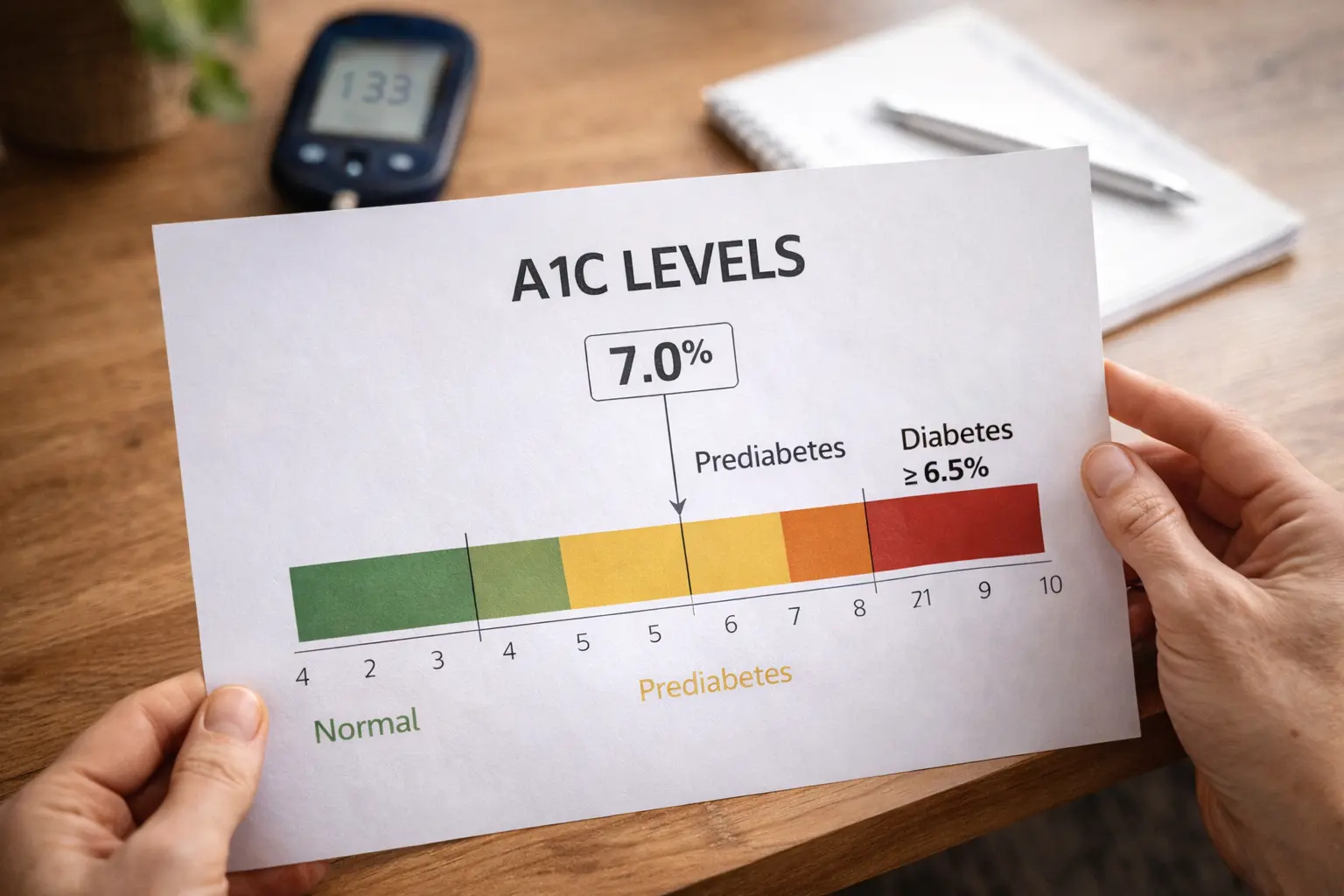
Your A1C results come back as a percentage, and understanding what that number means is crucial for taking action. Below 5.7% is considered normal, meaning your blood sugar control is healthy. Between 5.7% and 6.4% indicates prediabetes, which is a warning sign but not a diagnosis of diabetes yet. At 6.5% or higher, you’re in the diabetes range and need to work with your healthcare provider on a management plan. For women, it’s worth noting that pregnancy can temporarily affect A1C readings, so if you’re pregnant or planning to be, mention this to your doctor. The difference between a 5.8% and a 6.5% might seem small, but it represents significant changes in your average daily blood sugar. Your provider will help you understand where you fall and what it means for your specific health situation. Some women find it helpful to track their own blood sugar at home to see how diet and exercise directly impact these numbers.
📘 Fix your day in under 2 minuteschoose where to begin:
Benefits of regular A1C testing
Regular A1C testing transforms diabetes management from guesswork into informed decision-making. If you’re already managing diabetes, testing every 3 to 6 months shows whether your current treatment plan is working or needs adjustment. For women with prediabetes, regular testing motivates lifestyle changes by showing concrete results from your efforts. You might notice that after three months of consistent exercise and dietary changes, your A1C drops by 0.3%, which is real progress worth celebrating. Testing also catches problems early. Many women don’t realize their blood sugar is rising until they get tested, so regular screening prevents complications like nerve damage, kidney issues, or vision problems. Your healthcare provider uses these results to guide conversations about medication adjustments, dietary tweaks, or increased physical activity. The test essentially gives you a partnership tool with your doctor, replacing vague concerns with measurable data.
Preparing for A1C test
The beauty of the A1C test is that preparation is minimal, which removes barriers to getting tested regularly. Unlike fasting glucose tests, you don’t need to skip meals or avoid your morning coffee. Eat normally, take your medications as scheduled, and continue your regular routine. The only preparation that matters is informing your healthcare provider about any medications or supplements you’re currently taking, as some can affect results. If you’re on blood thinners, mention this since it might affect the blood draw process. Wear comfortable, loose-fitting clothing with sleeves that roll up easily to make the blood draw quick and comfortable. If you tend to feel faint during blood draws, let the phlebotomist know so they can have you sit in a reclined position. Bring your insurance card and any relevant medical history. Some women find it helpful to stay hydrated before the test, as this makes veins easier to access and the draw faster.
Follow-up after A1C test
Getting your A1C results is just the beginning. Schedule a follow-up appointment or call with your healthcare provider to discuss what the numbers mean for your health. If your results are higher than expected, resist the urge to panic. Instead, ask your provider what specific changes might help most: dietary adjustments, increased physical activity, stress management, or medication changes. Some women benefit from working with a diabetes educator or nutritionist who can create a personalized plan. Write down your A1C number and the date so you can track changes over time. If your results improved, celebrate that progress and understand what you did right so you can maintain it. Schedule your next test based on your provider’s recommendation, usually every 3 to 6 months if you have diabetes or prediabetes. Keep a simple log of your A1C results, your lifestyle habits during that period, and any changes your doctor recommended. This creates a personal record that helps you see patterns and stay accountable.
A1C tests provide essential information about your blood sugar control, guiding diabetes management. Regular testing, accurate interpretation, and follow-up discussions with your healthcare provider are key to maintaining optimal health.
Is the A1C test painful?
No, the A1C test is painless as it only involves a simple blood draw.
What should I do if my A1C results are high?
If your A1C results are high, consult with your healthcare provider to devise a plan to manage your blood sugar levels effectively.
Others also read:
Disclaimer: This article is for informational purposes only and is not a substitute for professional medical advice. Always consult a healthcare professional for personal guidance.
This guide has been prepared and reviewed by the GlobalHealthBeacon editorial team and reflects current medical research as of 2026. It provides structured, evidence-based information to support informed health decisions.
