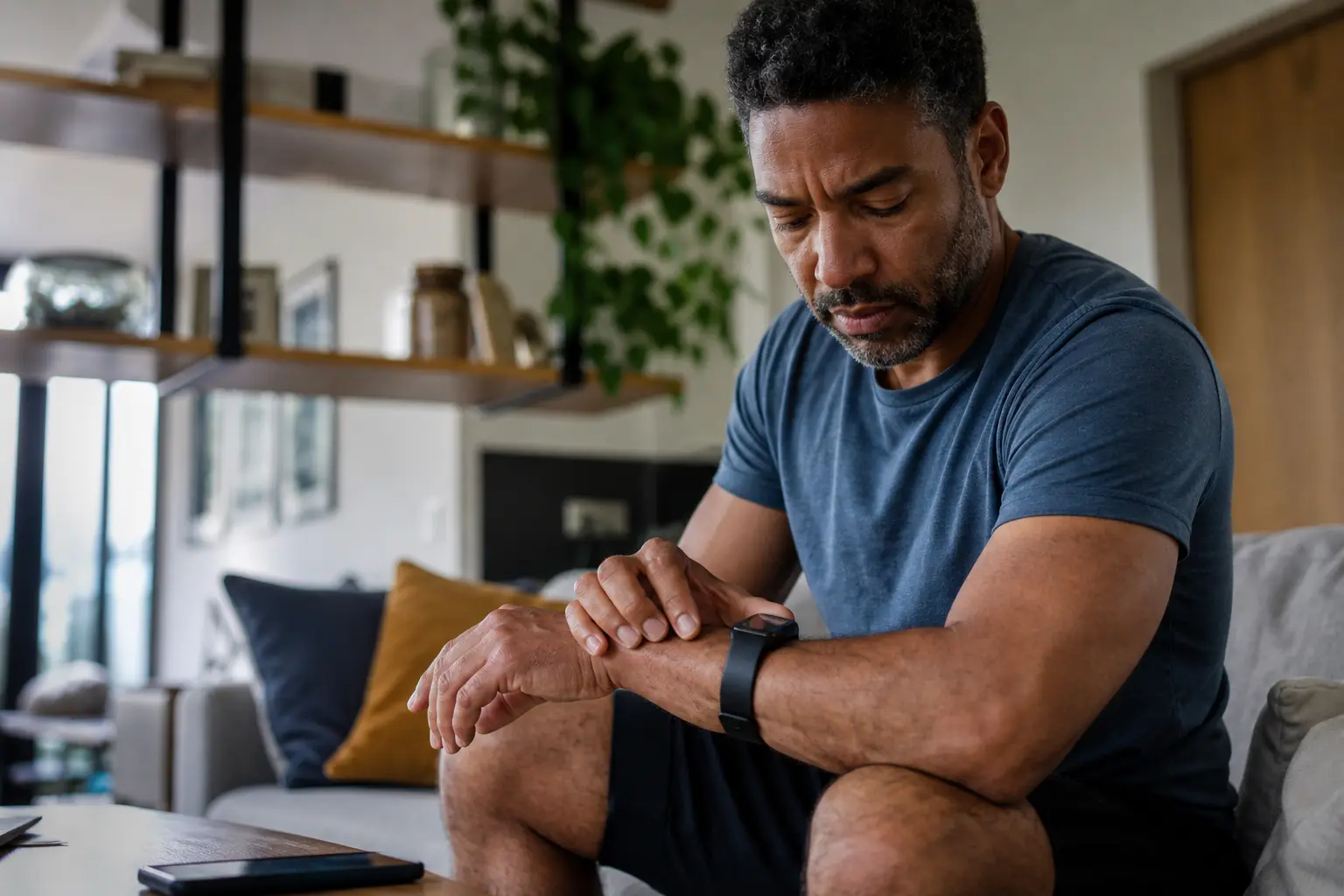
You’re tired of guessing whether that irregular heartbeat means something serious, or wondering if you’re actually moving enough each day, so you’re considering a wearable device to finally get concrete answers about your health and wearables preventive health accuracy is exactly what you need to understand before spending your money.
Benefits of wearables for health monitoring
Wearable devices have become practical tools for seniors who want to take an active role in their health management. These devices continuously track your heart rate, daily steps, sleep quality, and blood pressure without requiring you to visit a clinic every week. Imagine wearing a device that alerts you when your heart rate drops unusually low during sleep, or reminds you that you have only walked 2,000 steps by mid-afternoon when your goal is 8,000. This real-time feedback creates accountability and awareness. For example, a senior who notices their sleep pattern has shifted from eight hours to five hours can discuss this trend with their doctor before fatigue becomes a serious issue. The data becomes a conversation starter with your healthcare provider, giving them insights into patterns they might otherwise miss during brief office visits. Over time, this continuous monitoring helps you identify what activities, foods, or stress levels affect your body most significantly.
- Continuous monitoring provides real-time feedback on your health metrics.
- Early detection of irregularities can prompt timely medical attention.
- Personalized health data helps you make informed decisions about your lifestyle.
Choosing the right wearable device
Finding the right wearable requires honest reflection about your actual needs and comfort level with technology. Start by identifying which health metrics matter most to you. If heart health is your primary concern, prioritize devices with advanced heart rate and ECG monitoring. If mobility and daily activity are your focus, look for step counters and fall detection features. Battery life is crucial for seniors who may forget to charge daily, so consider devices that last five to seven days rather than those requiring daily charging. Ease of use matters tremendously. Can you easily read the screen without your glasses? Is the touchscreen responsive, or does it require multiple taps? Test devices in-store if possible. Compatibility with your smartphone is essential too. An Apple Watch works seamlessly with iPhones but requires workarounds with Android devices. Price varies dramatically, from budget fitness trackers under 50 dollars to premium smartwatches exceeding 400 dollars. Start with a mid-range option around 150 to 250 dollars that offers solid reliability without overwhelming features you will not use.
📘 Fix your day in under 2 minuteschoose where to begin:
Accuracy and reliability of wearable data
Understanding the limitations of wearable accuracy prevents disappointment and misinterpretation of your health data. Most consumer wearables have accuracy rates between 85 and 95 percent for basic metrics like step counting, but this varies based on device quality and how you wear it. A smartwatch worn too loosely on your wrist will give inaccurate heart rate readings. Optical sensors used in most wearables struggle in certain lighting conditions or on darker skin tones, which research has documented extensively. Blood pressure readings from wearables are less reliable than traditional cuff measurements and should never replace clinical monitoring if you have hypertension. Consider a real scenario: you notice your wearable shows elevated heart rate for three consecutive days. Before panicking, ask yourself if you have been more stressed, consumed more caffeine, or slept poorly. These factors genuinely affect readings. The device is a mirror reflecting your patterns, not a medical diagnostic tool. Always cross-check concerning data with your doctor using proper medical equipment. Use wearables as a trend-spotting tool rather than a source of definitive diagnosis.
Integrating wearables into your routine
Successfully using a wearable requires building it into your daily habits rather than treating it as an optional gadget. Start by wearing it consistently for at least two weeks before analyzing data, as this establishes your personal baseline. Set a specific time each evening to sync your device with your smartphone or computer, making it part of your bedtime routine alongside brushing your teeth. Create one meaningful health goal based on your wearable data. Instead of vague intentions like getting healthier, commit to specific targets: walk 6,000 steps daily, achieve seven hours of sleep four nights per week, or maintain a resting heart rate below 70 beats per minute. Write these goals down and review your progress weekly. Many seniors find success by pairing their wearable goal with a social element. Walk with a friend and compare step counts, or join an online community of wearable users your age. This accountability transforms the device from a solitary tracking tool into a motivational partner. Expect a learning curve of two to three weeks as you figure out all the features. Do not get discouraged if you miss wearing it occasionally. Consistency matters more than perfection.
Consulting with healthcare professionals
Your wearable data becomes most valuable when you bring it into conversations with your doctor or cardiologist. Before your next appointment, spend time reviewing your device data and noting patterns you have observed. Write down specific questions: Why does my heart rate spike at certain times? Is my sleep quality concerning? Should I be worried about these blood pressure readings? Bring screenshots or printed reports from your wearable app to show your healthcare provider. Many doctors appreciate this proactive approach because it gives them context about your daily life that they cannot observe during a 15-minute office visit. However, be prepared for your doctor to offer perspective that differs from what your wearable suggests. Medical professionals understand the limitations of consumer devices and can interpret data within the broader context of your medical history, medications, and risk factors. If your wearable shows something alarming, do not delay calling your doctor to discuss it. A sudden change in resting heart rate, unexplained drops in activity level, or persistent sleep disruption warrant professional evaluation. Think of your wearable as providing the initial observations, while your healthcare team provides the expert interpretation and guidance.
Wearable devices provide a convenient way to monitor key health metrics and promote better health outcomes. By choosing the right device, understanding its limitations, integrating it into your routine, and consulting with healthcare professionals, seniors can leverage the benefits of wearables for preventive health monitoring.
Are wearables accurate for health monitoring?
Wearables can provide valuable insights into your health metrics, but their accuracy may vary based on device quality and sensor technology. While they offer a general guide to your health, it’s important to interpret the data in conjunction with professional medical advice.
How often should I wear my wearable device?
For optimal benefits, it’s recommended to wear your device consistently throughout the day to monitor your health metrics accurately. Ensure it is charged and synced regularly to track your progress effectively.
Others also read:
Disclaimer: This article is for informational purposes only and is not a substitute for professional medical advice. Always consult a healthcare professional for personal guidance.
This guide has been prepared and reviewed by the GlobalHealthBeacon editorial team and reflects current medical research as of 2026. It provides structured, evidence-based information to support informed health decisions.
