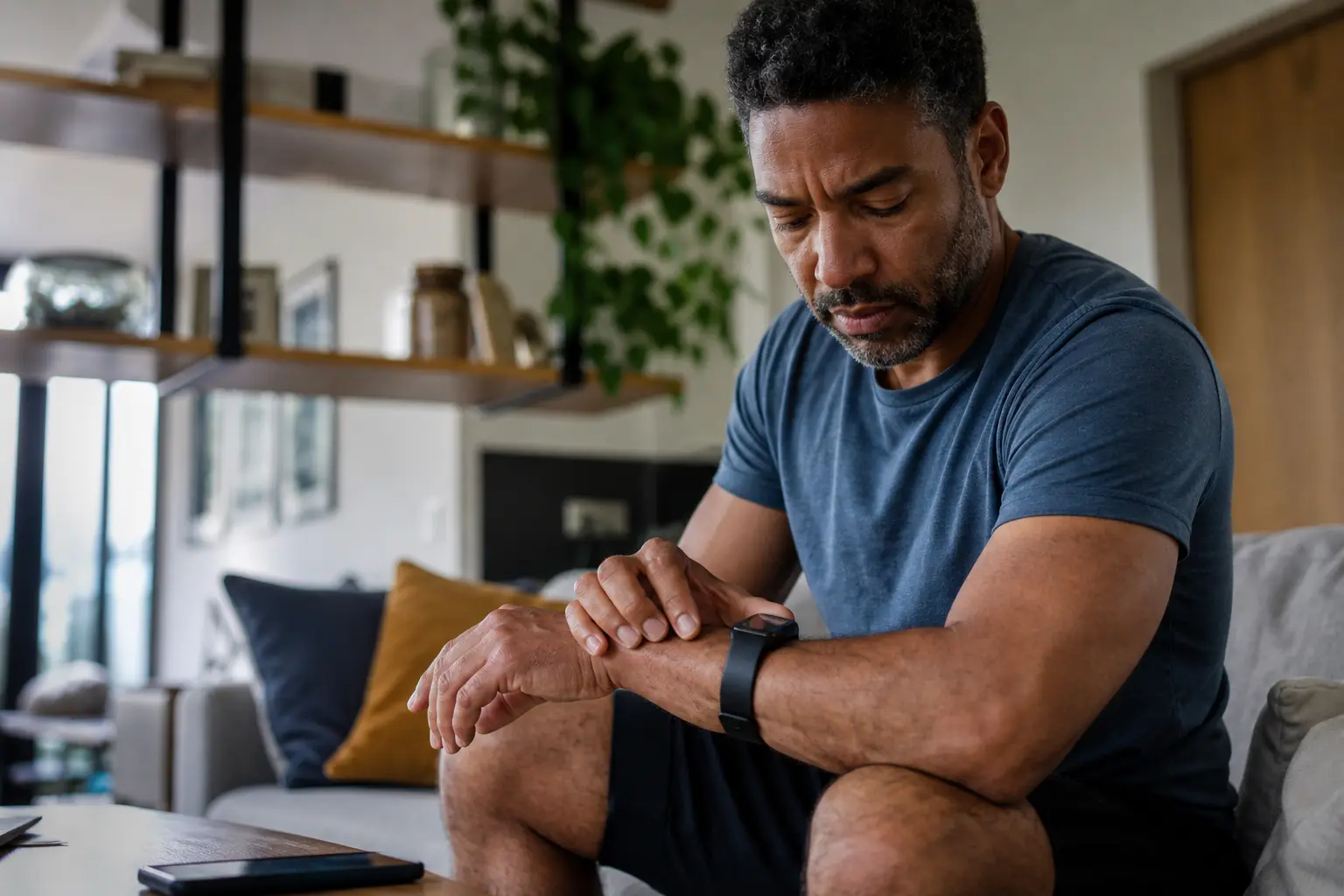
Your smartwatch claims to track everything, but you’re left wondering if any of it actually matters for your health, and that nagging doubt about wearables preventive health accuracy is eating at you.
Understanding wearables accuracy
Wearable devices have become fixtures on women’s wrists and bodies, but understanding how they actually work is where most people get lost. Your smartwatch or fitness tracker contains multiple sensors, each designed to capture specific data points like heart rate variability, sleep stages, or step count. The challenge is that these sensors don’t operate in a vacuum. A heart rate monitor worn too loosely will give you inflated numbers. A sleep tracker confused by late-night scrolling might misclassify your rest. Think of Sarah, a 42-year-old who bought an expensive tracker expecting perfect data only to discover her readings were off by 15 to 20 beats per minute because she wore it over her sleeve. The accuracy of any wearable depends on a combination of factors: the quality of the sensor technology itself, how snugly the device fits your specific wrist or body, your individual physiology, and whether you’ve calibrated it properly. Some devices excel at counting steps but struggle with heart rate during exercise. Others nail sleep tracking but miss subtle stress signals. This is why comparing specs on a website isn’t enough. You need to understand what each device is actually good at measuring.
- Different sensors are used in wearables for tracking various health parameters such as heart rate, sleep patterns, and physical activity.
- Each wearable device has its own level of accuracy, influenced by factors like technology used, placement on the body, and how well it fits the individual.
- Some wearables may provide more reliable data for certain health metrics than others, so it’s essential to research and compare before making a purchase.
Choosing the right wearable for health monitoring
Before you spend money on a wearable, get clear on what you actually need it to do. Are you tracking steps because you want to move more? Monitoring sleep because you suspect you’re not resting well? Watching heart rate because you have a family history of cardiovascular issues? Each goal points toward different devices. A runner needs something that excels at GPS accuracy and cadence tracking, while a woman managing stress might prioritize heart rate variability and breathing exercises. Start by listing your top three health metrics. Then research which devices consistently deliver on those specific measurements. Check independent reviews from sources like Consumer Reports or academic studies that test wearable accuracy against clinical equipment. Look at real user feedback on Reddit or health forums where women discuss their actual experiences. Consider your lifestyle too. If you hate wearing things to bed, a sleep-focused tracker won’t help you. If you’re in the pool regularly, you need waterproofing. Budget matters, but the cheapest option often sacrifices accuracy. A mid-range device from a reputable brand typically outperforms a budget tracker from an unknown manufacturer. Think of it as an investment in data you can actually trust.
📘 Fix your day in under 2 minuteschoose where to begin:
Reliable brands and models
Not all wearable brands are created equal when it comes to accuracy and longevity. Established companies like Garmin, Apple, and Fitbit have invested heavily in sensor technology and validation studies. Garmin devices, for example, are often used by athletes and have been tested against clinical-grade equipment. Apple Watch integrates deeply with health apps and has FDA clearance for certain features like ECG monitoring. Fitbit has a long track record of sleep and activity tracking that holds up reasonably well in independent testing. But reputation alone isn’t enough. A popular brand might excel in one metric while falling short in another. Whoop focuses intensely on recovery and strain metrics but doesn’t track steps the way traditional fitness trackers do. Oura Ring specializes in sleep and readiness scores with impressive accuracy for those specific measurements. Before buying, read reviews from women specifically, since body composition, hormonal cycles, and wear patterns differ from men’s experiences. Check if the brand publishes validation studies or has third-party testing data available. Look for devices that have been compared against medical-grade equipment in peer-reviewed research. Join online communities where women discuss their devices to hear about real-world performance over months and years, not just the first excited week of ownership.
Calibrating and updating your wearable
Getting a wearable out of the box and strapping it on won’t give you accurate data. Most devices require initial setup and ongoing calibration to perform well. Start by entering your correct height, weight, age, and biological sex into the app. This baseline information helps the device’s algorithms estimate metrics like calorie burn more accurately. Many trackers also ask you to walk or run at a known pace so they can calibrate step detection. Don’t skip this. Then comes the ongoing part that people often neglect: keeping your device updated. Manufacturers release firmware and software updates that improve sensor accuracy and fix bugs. A woman using a two-year-old version of her device’s app might be missing accuracy improvements released months ago. Check for updates monthly and install them promptly. Beyond software, physical calibration matters too. If you notice your step count is consistently off, you can manually adjust your stride length in settings. If heart rate readings seem high during workouts, ensure the band is snug but not cutting off circulation. Some devices benefit from occasional recalibration after major changes like significant weight loss or gain. Keep a simple log for a week comparing your wearable’s data against manual measurements like checking your pulse manually or using a blood pressure cuff at a pharmacy. This reveals patterns and helps you understand where your device is reliable and where it might need adjustment.
Consulting healthcare professionals
Your wearable is a tool for self-awareness, not a replacement for medical judgment. If you’re using wearable data to make health decisions, especially around medication changes, exercise intensity, or stress management, bring that data to your doctor or a qualified health professional. A cardiologist can tell you whether your device’s heart rate readings align with clinical measurements and whether the patterns you’re seeing warrant further investigation. A sleep specialist can review your wearable’s sleep stages against a proper sleep study if you suspect a sleep disorder. A fitness coach or physical therapist can help you interpret activity data and adjust your training safely. Women often experience unique health situations where wearable data becomes especially valuable: tracking how your menstrual cycle affects sleep and recovery, monitoring how new medications impact your resting heart rate, or spotting patterns in stress and heart rate variability that correlate with anxiety. Share screenshots or exports from your wearable app during appointments. Ask your healthcare provider which metrics they find most useful and which ones to ignore. Some doctors now integrate wearable data into patient portals, creating a clearer picture of your health between visits. The goal isn’t to become obsessed with numbers but to use them as a conversation starter with professionals who can help you understand what the data actually means for your health.
Accurately monitoring your health with wearables requires understanding their technology, choosing reliable brands, calibrating your device, and seeking professional guidance for optimal results.
Which factors affect the accuracy of wearable devices for preventive health?
The accuracy of wearables is influenced by factors like sensor technology, device placement, individual variability, and calibration methods.
How can I ensure my wearable device provides precise health data?
To maximize accuracy, choose reputable brands, follow calibration guidelines, stay updated with software upgrades, and consult healthcare professionals for insights.
Others also read:
Disclaimer: This article is for informational purposes only and is not a substitute for professional medical advice. Always consult a healthcare professional for personal guidance.
This guide has been prepared and reviewed by the GlobalHealthBeacon editorial team and reflects current medical research as of 2026. It provides structured, evidence-based information to support informed health decisions.
