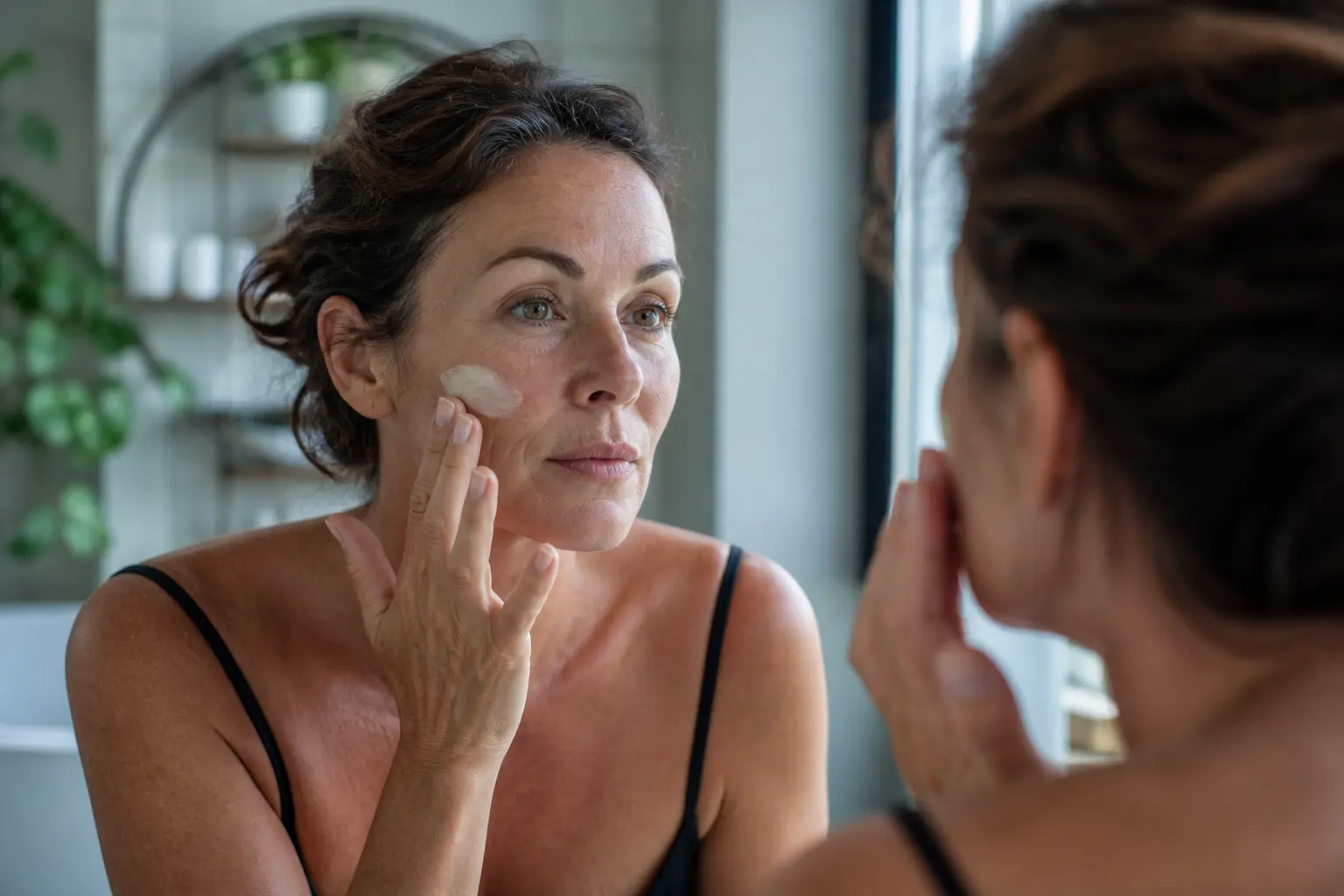
You’re noticing fine lines where there weren’t any last year, sun spots creeping across your cheeks, and that tired, weathered look staring back from the mirror, and the truth is your skin has been silently aging in the sun while you weren’t paying attention, but understanding spf anti aging benefits could be the single most powerful shift you make in protecting what you have left and actually reversing some of the damage that’s already done.
Understanding SPF: the basics
SPF stands for Sun Protection Factor, and it’s essentially your skin’s bodyguard against the sun’s most damaging rays. The number you see on the bottle tells you how much longer your skin can stay in the sun without burning compared to unprotected skin. If your skin typically burns after 10 minutes in the sun, SPF 30 theoretically gives you 300 minutes of protection. But here’s where most women get it wrong: they apply too little. A typical application is a quarter teaspoon for your face, which sounds like nothing but is actually what dermatologists recommend. Think of it this way, if you’re using a pea-sized amount like many do, you’re only getting about 50% of the advertised protection. Broad-spectrum sunscreen protects against both UVA rays, which age your skin and cause wrinkles, and UVB rays, which cause burning. Many women skip sunscreen on cloudy days or when they’re mostly indoors, but UV rays penetrate clouds and reflect off windows, meaning damage happens year-round whether you realize it or not.
- Choose a broad-spectrum sunscreen for protection against both UVA and UVB rays.
- Apply a generous amount of SPF 30 or above to all exposed skin, including your face, neck, and hands.
- Reapply sunscreen every two hours, especially if you’re swimming or sweating.
Benefits of SPF for aging skin
The sun is responsible for about 80% of visible aging on your face, which means sunscreen is literally one of the most anti-aging products you can use. When UV rays hit your skin, they break down collagen and elastin, the proteins that keep skin firm and plump. This breakdown shows up as wrinkles, sagging, and that crepey texture that makes you look older than you actually are. Women who consistently use SPF have noticeably smoother skin, fewer age spots, and maintain a more youthful appearance well into their 50s and 60s compared to those who don’t. Consider Sarah, a 45-year-old woman who started using SPF daily at 35. After a decade of consistent use, her skin shows minimal sun damage, while her sister of the same age who didn’t prioritize sunscreen has significant hyperpigmentation and deeper wrinkles. The difference is striking and preventable. SPF also helps fade existing damage when combined with other treatments like vitamin C serums or retinol, because it stops new damage from occurring while those products work on what’s already there.
📘 Fix your day in under 2 minuteschoose where to begin:
Choosing the right SPF for you
Not all sunscreens work for every skin type, and using the wrong formula can actually make you less likely to reapply it consistently. If you have oily or acne-prone skin, look for oil-free, non-comedogenic formulas that won’t clog pores or feel heavy. Mineral sunscreens with zinc oxide or titanium dioxide sit on top of the skin and work immediately, making them ideal if you have sensitive skin or rosacea. Chemical sunscreens absorb into the skin and take about 15 minutes to become effective, but they feel lighter and are less visible on darker skin tones. For daily use, many dermatologists recommend moisturizers or foundations with built-in SPF because they reduce the number of steps and increase the likelihood you’ll actually use them. However, you still need to apply enough product to get the full SPF benefit, which means using more moisturizer or foundation than you might normally. If you’re outdoors for extended periods, a dedicated sunscreen is always better. Texture matters too, because if your sunscreen feels greasy or sticky, you won’t want to reapply it every two hours, which means you’re getting less protection than you think.
Additional anti-aging tips
SPF is powerful, but it works best as part of a complete anti-aging strategy. Your skin ages from the inside out, which means hydration matters enormously. Drinking enough water keeps your skin plump and helps it maintain its natural moisture barrier, which is your first line of defense against environmental damage. Antioxidants like vitamin C, green tea, and resveratrol neutralize free radicals created by sun exposure and pollution, so eating colorful fruits and vegetables or using antioxidant serums amplifies what your sunscreen is doing. Sleep is when your skin repairs itself, so getting 7 to 9 hours nightly allows your body to produce collagen and heal UV damage from the day. Many women notice their skin looks more radiant and wrinkles appear less pronounced when they prioritize sleep. Retinol and retinoids are also game-changers for aging skin because they increase cell turnover and boost collagen production, but they make your skin more sun-sensitive, which is why pairing them with consistent SPF use is absolutely essential. Think of these habits as working together: sunscreen prevents new damage, sleep allows repair, antioxidants fight existing damage, and retinol stimulates renewal.
Consulting a dermatologist
If you have specific skin concerns like melasma, severe sun damage, or you’re unsure which SPF products will work best for your unique skin, a dermatologist can provide personalized recommendations tailored to your needs. They can also assess how much damage has already occurred and recommend professional treatments like laser therapy or chemical peels to address it alongside your new SPF routine. Many women feel overwhelmed by the number of sunscreen options available, and a dermatologist visit can simplify that decision significantly. They can also help you understand your skin type accurately, because many women think they have oily skin when they actually have dehydrated skin, which completely changes what products will work. If you’re on medications like certain antibiotics or have a history of skin cancer in your family, a dermatologist can provide extra guidance on sun protection. Don’t wait until you see significant damage to seek professional advice, because prevention is always easier and more effective than trying to reverse years of sun damage.
SPF is your most powerful anti-aging tool, protecting your skin from the sun’s harmful UV rays that cause wrinkles, age spots, and sagging. Combine consistent sunscreen use with hydration, antioxidants, sleep, and professional guidance for optimal results and truly youthful-looking skin.
Can I rely solely on makeup with SPF for sun protection?
While makeup with SPF offers some protection, it is best to use a dedicated sunscreen with a higher SPF for adequate skin protection.
Should I wear SPF even on cloudy days?
Yes, UV rays can penetrate through clouds, so it’s essential to wear SPF daily, regardless of the weather.
Others also read:
Disclaimer: This article is for informational purposes only and is not a substitute for professional medical advice. Always consult a healthcare professional for personal guidance.
This guide has been prepared and reviewed by the GlobalHealthBeacon editorial team and reflects current medical research as of 2026. It provides structured, evidence-based information to support informed health decisions.
