Your skin is showing every year you have lived, and you are tired of watching sun damage deepen those lines and spots that seem to multiply overnight, but understanding spf anti aging benefits could be the one thing that actually stops the clock instead of just slowing it down.
Understanding SPF and anti-aging
SPF, or Sun Protection Factor, acts as your skin’s bodyguard against harmful UV rays, the primary culprit behind premature aging. Think of it this way: every time you step outside without protection, you are allowing UV radiation to break down the collagen and elastin that keep your skin firm and youthful. Over decades, this damage accumulates into wrinkles, fine lines, age spots, and leathery texture that no moisturizer can fully reverse. By incorporating SPF into your daily routine, you are not just preventing future damage, you are actively preserving the skin you have right now. Studies show that consistent sunscreen use can reduce the appearance of age spots by up to 80 percent over five years. A 68-year-old woman who started using daily SPF 30 noticed that her existing sun spots stopped darkening and new ones did not appear, while her friend who skipped sunscreen developed three new age spots in the same timeframe. This is not about vanity, it is about maintaining the structural integrity of your skin as you age.
- Provides a protective barrier against UVA and UVB rays
- Prevents collagen breakdown, maintaining skin firmness
- Reduces the risk of skin cancer
Choosing the right SPF
Start with a broad-spectrum SPF of at least 30, which blocks 97 percent of UVB rays. SPF 50 blocks 98 percent, so the jump from 30 to 50 is minimal, but consistency matters far more than the number itself. For seniors, lightweight, non-comedogenic formulas are essential because your skin is often drier and more sensitive, and heavy creams can feel suffocating or cause irritation. Look for sunscreens labeled mineral or physical, which use zinc oxide or titanium dioxide and sit on top of the skin rather than absorbing into it, making them gentler for mature skin. If you swim regularly or sweat during gardening or walks, water-resistant formulas are non-negotiable. Remember to reapply every two hours when outdoors, or immediately after swimming. Many seniors make the mistake of applying sunscreen once in the morning and assuming they are protected all day. That approach leaves you vulnerable, especially during peak sun hours between 10 a.m. and 4 p.m. A practical strategy is to keep a small sunscreen stick in your purse or pocket for easy midday reapplication without disrupting your makeup or routine.
📘 Fix your day in under 2 minuteschoose where to begin:
Application tips
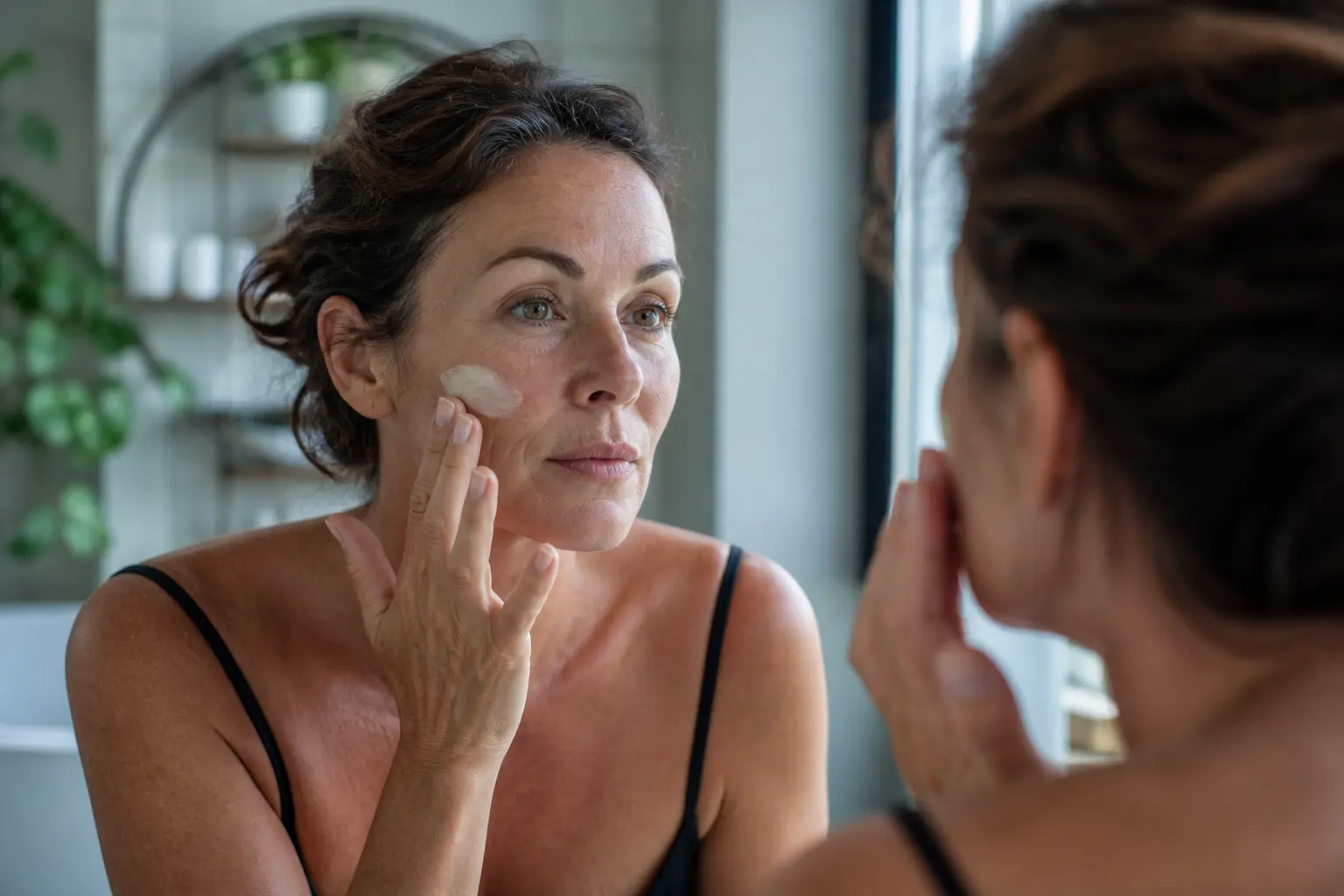
Apply sunscreen generously 15 minutes before sun exposure to allow it to fully absorb and form a protective barrier. Most people apply far too little, using only a pea-sized amount when they should use a quarter-sized amount for the face alone. Imagine painting your face with sunscreen as you would paint a canvas, ensuring every inch is covered. Do not forget the often-neglected areas: the tops of your ears, the back of your neck, your hairline, the tops of your hands, and even your part line if you have thinning hair. These spots are constantly exposed to the sun and show age quickly. If you wear glasses, apply sunscreen around the frames and on your eyelids, being careful not to get it in your eyes. For those with sensitive skin or rosacea, apply sunscreen after your moisturizer has dried completely to reduce irritation. If you plan to be outdoors for extended periods, water-resistant formulas are essential, but even these need reapplication after swimming or heavy sweating. A helpful routine is to set a phone reminder for midday reapplication, turning it into an automatic habit rather than something you have to remember.
Additional anti-aging measures
Sunscreen is powerful, but it works best as part of a complete anti-aging strategy. Pair SPF with antioxidants like vitamin C serum, which neutralizes free radicals created by sun exposure and boosts collagen production. Retinol or retinoids used at night can accelerate skin renewal and reduce fine lines, though they increase sun sensitivity, making daytime SPF even more critical. Hydration is foundational, so drink adequate water and use a good moisturizer suited to your skin type, whether that is dry, oily, or combination. Nutrition matters too: foods rich in omega-3 fatty acids like salmon, walnuts, and flaxseeds support skin barrier function, while colorful fruits and vegetables provide antioxidants that fight aging from within. Sleep is when your skin repairs itself, so aim for 7 to 9 hours nightly. A 72-year-old man who combined daily SPF 30, a vitamin C serum, and a retinol cream saw significant improvement in skin texture and fine lines within three months. Without the sunscreen, however, the retinol would have caused sun damage that undid all the benefits. Think of these elements as working together, each one amplifying the others.
Consult a dermatologist
Regular skin check-ups with a dermatologist are essential as you age, not just for anti-aging concerns but for early detection of skin cancer and precancerous lesions. A dermatologist can assess your specific skin type, identify sun damage you may not notice, and recommend personalized treatments like professional-grade serums, laser therapy, or chemical peels that work alongside your daily SPF routine. They can also monitor existing age spots and moles to ensure they are not changing in ways that signal concern. Many seniors wait until a spot looks suspicious before seeing a dermatologist, but preventive visits every 6 to 12 months catch problems early when they are easiest to treat. Your dermatologist can also recommend the best sunscreen formula for your skin, whether you have sensitive skin, acne-prone skin, or conditions like melasma that require extra sun protection. This proactive approach transforms sunscreen from a standalone product into part of a comprehensive skin health plan tailored to your needs and concerns.
SPF offers crucial defenses against premature aging, safeguarding your skin from UV damage, maintaining firmness, and reducing the likelihood of skin cancer. Embrace SPF as a vital tool in your anti-aging arsenal alongside a holistic approach to skincare that includes hydration, nutrition, sleep, and regular dermatological care.
What is the best time to apply SPF?
Apply sunscreen at least 15 minutes before sun exposure to allow it to fully absorb into your skin and provide optimal protection. Reapply every two hours when outdoors, or immediately after swimming or sweating.
Can I use makeup with SPF instead of sunscreen?
While makeup with added SPF offers some protection, it is advisable to use a standalone sunscreen for proper coverage. Layering sunscreen under makeup ensures thorough safeguarding against UV rays and provides the full SPF benefit you need.
Others also read:
Disclaimer: This article is for informational purposes only and is not a substitute for professional medical advice. Always consult a healthcare professional for personal guidance.
This guide has been prepared and reviewed by the GlobalHealthBeacon editorial team and reflects current medical research as of 2026. It provides structured, evidence-based information to support informed health decisions.
