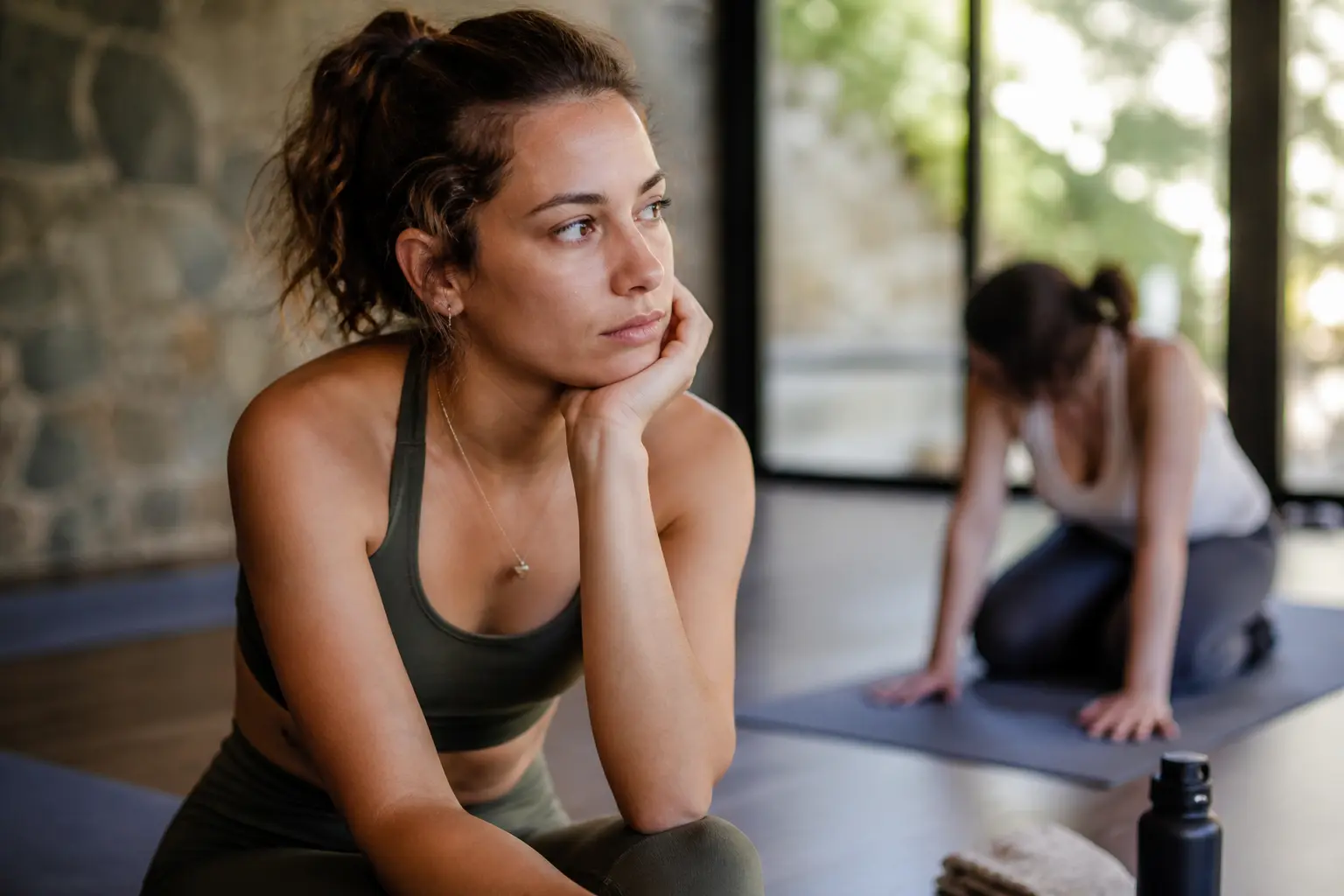
Your chest feels tight, your shoulders live up by your ears, and you can’t remember the last time you felt actually relaxed—welcome to the stress spiral that pilates versus yoga cortisol debates are supposed to fix, and honestly, you need to know which one will actually work for you.
Understanding the basics
Pilates and yoga are both mind-body practices, but they approach stress relief and physical conditioning from different angles. Pilates emerged in the early 1900s as a system designed to strengthen the core and improve postural alignment through precise, controlled movements. Yoga, on the other hand, has roots spanning thousands of years and combines physical postures with breathing techniques and meditation. Think of Pilates as the structured engineer and yoga as the holistic healer. When you step into a Pilates reformer class, you’re committing to deliberate muscle engagement and body awareness. In a yoga class, you’re invited into a practice that weaves together movement, breath, and mental stillness. Both practices have been shown to influence cortisol, the stress hormone your body releases when under pressure. Understanding which resonates with your body and mind is the first step toward choosing a practice you’ll actually stick with.
- Pilates emphasizes precision movements to strengthen muscles and improve posture.
- Yoga integrates physical postures (asanas), breathing techniques (pranayama), and meditation for holistic well-being.
- Both practices offer a blend of physical and mental benefits that can help combat the effects of cortisol, the stress hormone.
Pilates benefits for cortisol management
Pilates works on cortisol reduction through a unique combination of controlled movement and focused attention. When you’re performing a Pilates exercise, your brain has to concentrate intensely on muscle engagement and alignment, which naturally pulls your attention away from whatever’s stressing you out. This mental focus acts like a circuit breaker for the stress response. The physical benefits matter too. Pilates strengthens your core stabilizer muscles, which reduces chronic muscle tension that often accompanies high stress. Imagine someone who spends eight hours hunched over a desk, shoulders creeping toward their ears. After consistent Pilates practice, that postural tension releases, signaling to your nervous system that the threat has passed. The controlled breathing in Pilates also activates your parasympathetic nervous system, the part responsible for rest and recovery. A real-world example: many young professionals report feeling noticeably calmer after just three to four weeks of twice-weekly Pilates sessions, not because they’re suddenly stronger, but because their body has learned to release tension.
📘 Fix your day in under 2 minuteschoose where to begin:
Yoga advantages in cortisol reduction
Yoga’s strength in managing cortisol lies in its direct targeting of the nervous system through breath work and mindfulness. When you practice pranayama (breathing techniques) in yoga, you’re literally instructing your vagus nerve to calm down, which signals your adrenal glands to reduce cortisol production. This is not subtle. A single 20-minute yoga session with emphasis on longer exhales can measurably lower cortisol within hours. Yoga also creates space for mental processing through meditation and mindfulness, allowing you to observe your stress patterns without judgment. Consider a scenario where someone is dealing with relationship anxiety. In a yoga practice, they might spend time in child’s pose, a restorative position that naturally encourages introspection and emotional release. Many practitioners report that insights about their stress triggers emerge during or after yoga practice. The holistic nature of yoga means you’re not just exercising your body; you’re also training your mind to respond differently to stressors. Young adults especially benefit from yoga’s emphasis on self-compassion and acceptance, which counteracts the perfectionism and comparison culture that fuels modern stress.
Which practice suits you better
Choosing between Pilates and yoga depends on what your body and mind actually need right now. If you’re someone who thrives on structure, measurable progress, and the satisfaction of building visible strength, Pilates will likely feel more rewarding. You’ll see your core get stronger, your posture improve, and your ability to perform advanced exercises increase. This tangible progress can be deeply motivating for young adults who want concrete results. However, if you’re feeling emotionally overwhelmed, stuck in your head, or disconnected from your body, yoga offers a gentler entry point to stress relief. Yoga doesn’t demand perfection; it invites you to meet yourself where you are. A practical way to decide: try three Pilates classes and three yoga classes over two weeks. Notice which one you actually look forward to, which one leaves you feeling genuinely calmer, and which one fits your schedule and budget. Some people discover they need Pilates on days when they feel restless and yoga on days when they feel anxious. There’s no universal right answer, only the right answer for your nervous system.
Incorporating both practices
The most effective approach for many young adults is combining both practices strategically. You might do Pilates three times a week for core strength and postural alignment, then add two yoga sessions focused on relaxation and breathwork. This combination addresses cortisol from multiple angles: Pilates releases physical tension stored in muscles, while yoga calms the nervous system directly. A practical structure could look like this: Monday and Wednesday Pilates for strength, Tuesday and Thursday yoga for recovery, and Friday either practice based on how your body feels. Some people alternate weeks, doing a Pilates-heavy week followed by a yoga-focused week. The key is consistency and listening to what your body communicates. Over time, you’ll notice that Pilates builds the physical resilience to handle stress better, while yoga teaches your mind to process stress more skillfully. Together, they create a comprehensive stress-management system that addresses both the physical and mental dimensions of cortisol regulation. Young adults who commit to this dual approach often report feeling more balanced, less reactive, and genuinely more in control of their stress levels.
Pilates and yoga offer unique benefits for managing cortisol levels, with Pilates focusing on core strength and stability, while yoga emphasizes mindfulness and relaxation. Incorporating both practices into your routine can provide a comprehensive approach to stress relief and overall well-being.
Can Pilates help reduce cortisol levels?
Yes, Pilates can aid in reducing cortisol levels by promoting relaxation, releasing muscle tension, and enhancing body awareness through its controlled movement sequences.
Is yoga effective in managing cortisol?
Absolutely, yoga is known for its ability to reduce cortisol levels by emphasizing mindfulness, deep breathing, and stress relief practices that regulate the body’s stress response.
Others also read:
Disclaimer: This article is for informational purposes only and is not a substitute for professional medical advice. Always consult a healthcare professional for personal guidance.
This guide has been prepared and reviewed by the GlobalHealthBeacon editorial team and reflects current medical research as of 2026. It provides structured, evidence-based information to support informed health decisions.
