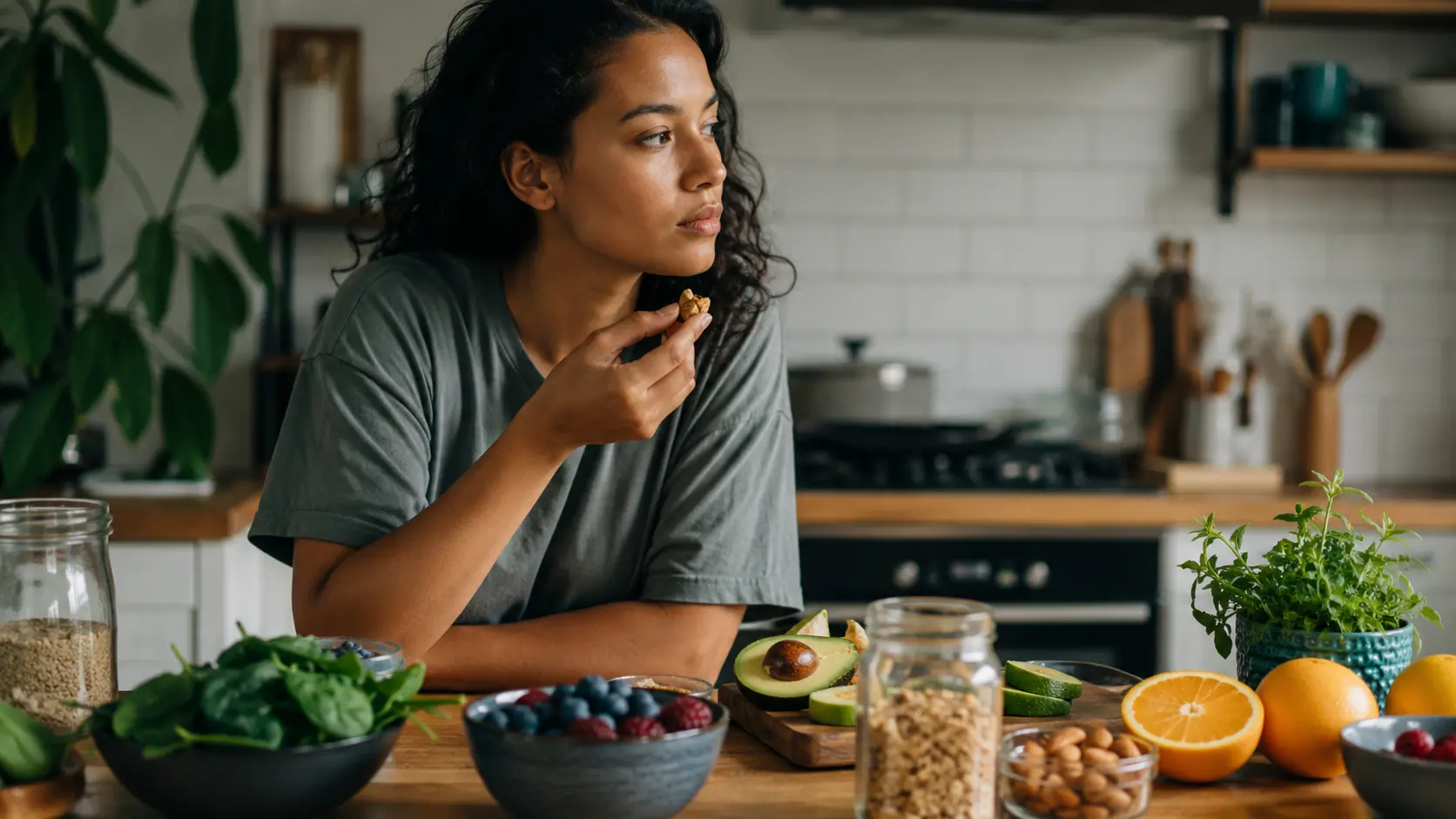
You’re exhausted, your energy crashes by 3pm, and you’re tired of feeling like you’re missing something in your diet – but superfoods for daily health might be the missing puzzle piece you’ve been searching for.
What are superfoods exactly?
Superfoods are nutrient-dense foods that pack an exceptional concentration of vitamins, minerals, antioxidants, and phytonutrients into every serving. Think of them as nutritional powerhouses that deliver more bang for your buck compared to ordinary foods. When a woman incorporates superfoods into her routine, she’s essentially giving her body premium fuel. For example, one cup of blueberries contains more antioxidants than many other fruits combined, while a handful of spinach provides iron, calcium, and vitamins K and A simultaneously. These foods work synergistically in your body, supporting cellular repair, boosting energy levels, and strengthening your immune defenses. The key distinction is that superfoods aren’t just healthy – they’re exceptionally nutrient-rich, making them strategic additions to any woman’s diet seeking to maximize her nutritional intake without consuming excessive calories.
- Provide essential nutrients for optimal health
- Contain powerful antioxidants to combat free radicals
- Support immune function and reduce inflammation
Top superfoods every woman should include
Building a superfood strategy starts with understanding which foods deliver the most benefit for your specific needs. Berries like blueberries, raspberries, and blackberries are loaded with anthocyanins that support brain health and cardiovascular function. Leafy greens including spinach, kale, and Swiss chard provide bioavailable iron and calcium essential for women’s bone health and energy production. Fatty fish such as salmon and mackerel contain omega-3 fatty acids that reduce inflammation and support heart and brain health. Nuts and seeds like almonds, chia seeds, and flaxseeds offer healthy fats, protein, and fiber that stabilize blood sugar and keep you satisfied. Whole grains including quinoa, oats, and farro provide sustained energy and contain B vitamins crucial for stress management. A practical approach is to select two or three superfoods from each category and rotate them throughout your week, ensuring variety and preventing dietary boredom while maximizing nutrient diversity.
📘 Fix your day in under 2 minuteschoose where to begin:
How to easily integrate superfoods into your meals
Integration doesn’t require overhauling your entire kitchen or learning complex recipes. Start small with simple swaps and additions that fit naturally into meals you already enjoy. For breakfast, scatter a handful of berries over your oatmeal or yogurt, instantly adding antioxidants and fiber without extra effort. At lunch, build salads with a base of mixed leafy greens and add grilled chicken or beans for protein. For dinner, replace your usual protein with baked salmon twice weekly, pairing it with roasted vegetables. Keep raw nuts and seeds in your desk drawer or bag for afternoon snacking when energy dips. Swap white rice or pasta for quinoa or whole grain versions in your favorite dishes. A real-world example: Sarah, a busy professional, started adding a handful of spinach to her morning smoothie, switched her afternoon snack from crackers to almonds, and replaced one pasta dinner weekly with salmon. Within three weeks, she noticed improved energy and clearer skin. The strategy is consistency over perfection – small daily choices compound into significant health shifts.
Potential drawbacks of superfoods
While superfoods offer genuine health benefits, the superfood narrative can sometimes oversell their impact or create unrealistic expectations. Consuming excessive amounts of any single superfood can actually create nutrient imbalances. For instance, eating too much kale can interfere with thyroid function due to high goitrogen content, while excessive Brazil nuts can lead to selenium toxicity. The superfood industry also drives up prices on trendy items like goji berries or acai, making women feel they must purchase expensive imported foods to be healthy. In reality, affordable local options like apples, carrots, and canned beans deliver comparable nutritional value. Another common mistake is treating superfoods as a substitute for overall healthy habits. No amount of blueberries compensates for poor sleep, chronic stress, or sedentary lifestyle. Additionally, some women develop orthorexia, an unhealthy obsession with eating only perfect foods, which creates anxiety around eating. The balanced approach recognizes that superfoods are tools within a larger wellness strategy, not magic solutions.
Consult with a healthcare provider
Before making significant dietary shifts, especially if you have existing health conditions, take medications, or follow specific dietary restrictions, consulting a healthcare provider or registered dietitian is a smart move. A professional can assess your individual nutritional gaps and recommend superfoods tailored to your unique needs rather than following generic trends. For example, if you have iron-deficiency anemia, a dietitian can guide you toward iron-rich superfoods and explain how to optimize absorption. If you take blood thinners, you’ll need guidance on leafy green consumption. Women with thyroid conditions may need to moderate cruciferous vegetables. A healthcare provider can also identify potential interactions between superfoods and supplements or medications you’re taking. This personalized approach ensures you’re not wasting money on foods your body doesn’t need while actually addressing your specific health goals. Think of this consultation as an investment in a customized nutrition plan rather than following one-size-fits-all advice.
Superfoods are nutrient-rich foods that provide a variety of health benefits through their high concentrations of essential nutrients and antioxidants. However, it’s crucial to maintain balance and consult a healthcare provider before making drastic dietary changes.
Can superfoods cure all health issues?
While superfoods offer substantial health benefits, they are not a cure-all for every health issue. They should be part of a balanced diet and lifestyle.
How much of a specific superfood should I consume daily?
The recommended intake of a specific superfood can vary. It’s best to follow general dietary guidelines and consult with a healthcare provider for personalized advice.
Others also read:
Disclaimer: This article is for informational purposes only and is not a substitute for professional medical advice. Always consult a healthcare professional for personal guidance.
This guide has been prepared and reviewed by the GlobalHealthBeacon editorial team and reflects current medical research as of 2026. It provides structured, evidence-based information to support informed health decisions.
