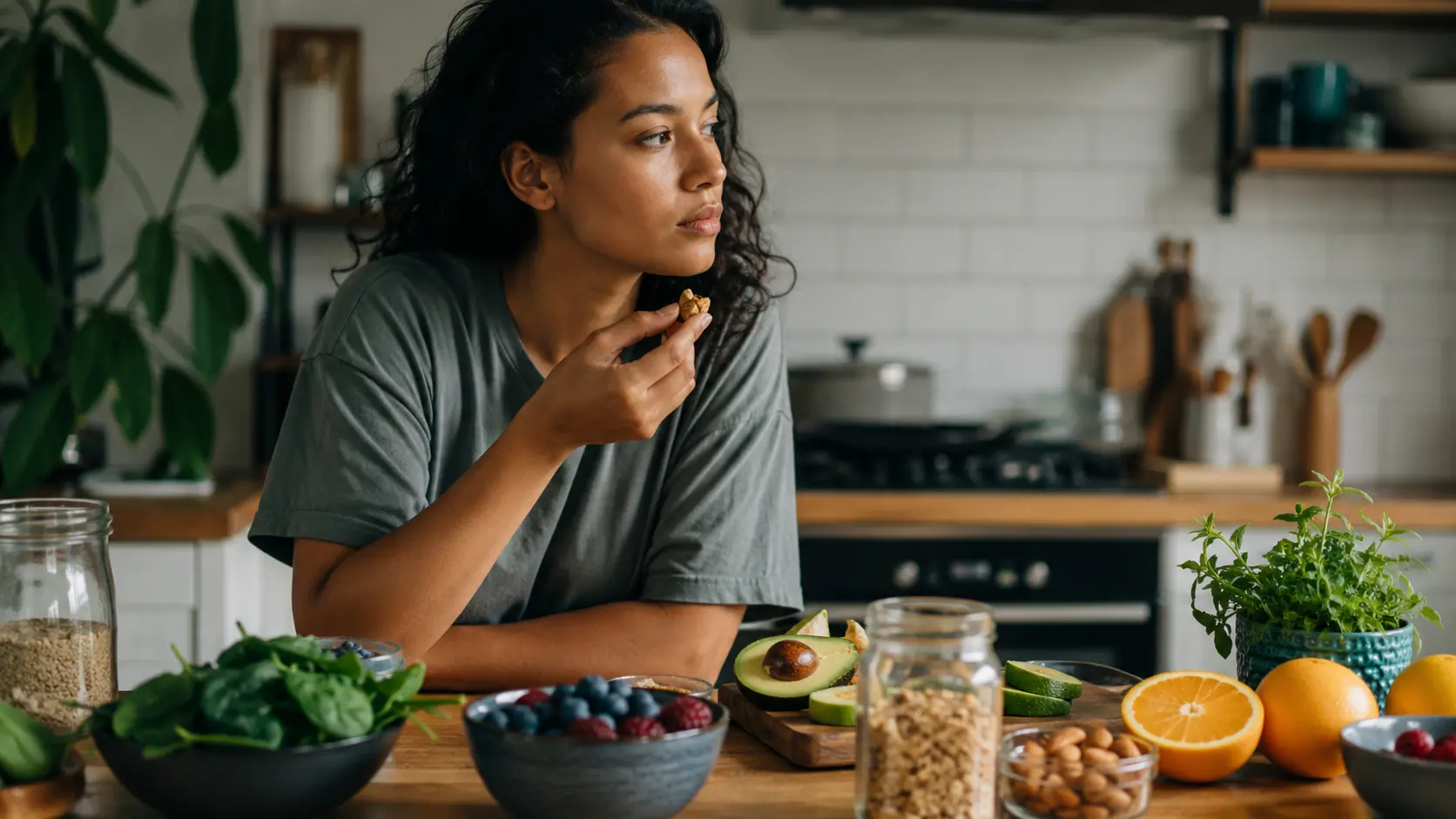
Tired of feeling sluggish, battling afternoon crashes, and watching your energy drain before dinner time? The answer isn’t another supplement bottle or complicated diet plan – it’s superfoods for daily health that actually work and taste good.
Understanding superfoods: what makes them super?
Superfoods are nutrient-rich foods that offer exceptional health benefits because they pack more vitamins, minerals, antioxidants, and essential nutrients into each bite than ordinary foods. Think of them as nutritional powerhouses. When you eat a handful of blueberries, you’re not just getting fruit – you’re consuming compounds that fight inflammation, support memory, and strengthen your immune system. For seniors especially, this matters because your body becomes more selective about what it absorbs as you age. A single serving of leafy greens delivers calcium for bone strength, iron for energy, and lutein for eye health. The key is understanding that superfoods aren’t exotic or expensive. They’re whole, unprocessed foods you likely already recognize. By intentionally choosing these nutrient-dense options and rotating them through your weekly meals, you ensure your body gets the full spectrum of vitamins and minerals it needs to function optimally. This approach transforms eating from something you do out of habit into something that actively supports your health goals.
- Superfoods are natural foods that are nutrient-dense and provide a wide range of health benefits.
- Include a variety of superfoods in your diet to ensure you get a wide range of nutrients.
- Focus on whole, unprocessed superfoods for the maximum health benefits.
Top superfoods for seniors: boost your health naturally
Berries like blueberries, strawberries, and raspberries are rich in antioxidants, fiber, and vitamins that make them an excellent choice for seniors looking to support their immune system and improve digestion. Imagine starting your morning with a bowl of mixed berries. You’re not just enjoying a pleasant breakfast – you’re consuming anthocyanins that protect your brain cells, fiber that keeps your digestive system running smoothly, and vitamin C that strengthens your immune response. Seniors who regularly include berries in their diet often report feeling more alert and experiencing fewer digestive issues. A practical approach is to buy frozen berries, which are just as nutritious as fresh and last longer in your freezer. Add them to oatmeal, yogurt, or simply thaw and eat them as a snack. Even a small handful daily provides measurable benefits. Many seniors find that berries are gentle on the stomach, easy to chew, and naturally sweet without added sugar.
📘 Fix your day in under 2 minuteschoose where to begin:
Leafy greens: nutrient powerhouses for strength and vitality
Leafy greens like spinach, kale, and Swiss chard are packed with vitamins, minerals, and fiber that promote heart health and reduce inflammation throughout your body. Consider a senior who starts adding a cup of spinach to their lunch daily. Within weeks, they notice their energy improves and joint stiffness decreases. This happens because these greens contain magnesium for muscle function, potassium for heart health, and compounds that fight inflammation. The practical challenge many seniors face is preparation. Raw kale can be tough to chew, but lightly steaming it for five minutes softens it while preserving nutrients. Spinach wilts easily into soups, scrambled eggs, or pasta dishes without changing the flavor much. Start small if greens are new to you – a handful mixed into familiar foods works better than forcing yourself to eat a large salad. Seniors with swallowing difficulties can blend greens into smoothies or broths. The goal is consistency, not perfection.
Nuts and seeds: brain-boosting snacks with staying power
Nuts and seeds contain healthy fats, protein, and essential vitamins and minerals that make them ideal snacks for seniors looking to support brain health and reduce the risk of chronic diseases. Picture a senior who feels afternoon fatigue setting in around 3 PM. Instead of reaching for processed snacks, they grab a small handful of almonds or walnuts. The combination of protein and healthy fats provides sustained energy without the blood sugar spike that comes from refined carbohydrates. Omega-3 fatty acids in walnuts and flaxseeds support cognitive function and heart health. Magnesium in pumpkin seeds helps muscles relax and supports sleep quality. The practical advantage is convenience – no preparation needed. Keep pre-portioned bags in your pantry or car. However, watch portion sizes since nuts are calorie-dense. One ounce (about a small handful) is an ideal serving. For seniors with dental issues, nut butters offer the same benefits in an easier-to-eat form.
Fatty fish: omega-3 rich foods for heart and mind
Whole grains like quinoa, brown rice, and oats are rich in fiber, vitamins, and minerals that help seniors maintain a healthy weight, lower cholesterol levels, and reduce the risk of heart disease. Think about the difference between white bread and whole grain bread. Your body processes whole grains slowly, providing steady energy throughout the morning rather than a quick spike followed by a crash. For seniors managing blood sugar or weight, this steady energy is crucial. The fiber in whole grains supports digestive health, which often becomes sluggish with age. A practical starting point is swapping your usual breakfast carbohydrate for oatmeal. Steel-cut oats take longer to cook but provide more texture and sustained fullness. Quick oats work fine if time is limited. Add berries, nuts, or cinnamon for flavor. At lunch, try brown rice or quinoa instead of white rice. These grains taste slightly nutty and pair well with vegetables and lean proteins. The transition doesn’t need to be sudden – mixing half whole grain with half white grain allows your digestive system to adjust gradually.
Superfoods are nutrient-dense foods that offer a wide range of health benefits, including improved immunity, heart health, brain function, and digestion. By incorporating superfoods like berries, leafy greens, nuts, fatty fish, whole grains, and yogurt into your daily diet, seniors can enhance their overall health and well-being.
Are superfoods safe for seniors to consume?
Yes, superfoods are generally safe for seniors to consume as part of a balanced diet. It’s always advisable to consult with a healthcare provider or nutritionist before making significant changes to your diet.
Can superfoods replace medication for seniors?
Superfoods are not meant to replace medication. They can complement a healthy lifestyle and support overall well-being, but seniors should always follow their healthcare provider’s recommendations regarding medication.
Others also read:
Disclaimer: This article is for informational purposes only and is not a substitute for professional medical advice. Always consult a healthcare professional for personal guidance.
This guide has been prepared and reviewed by the GlobalHealthBeacon editorial team and reflects current medical research as of 2026. It provides structured, evidence-based information to support informed health decisions.
