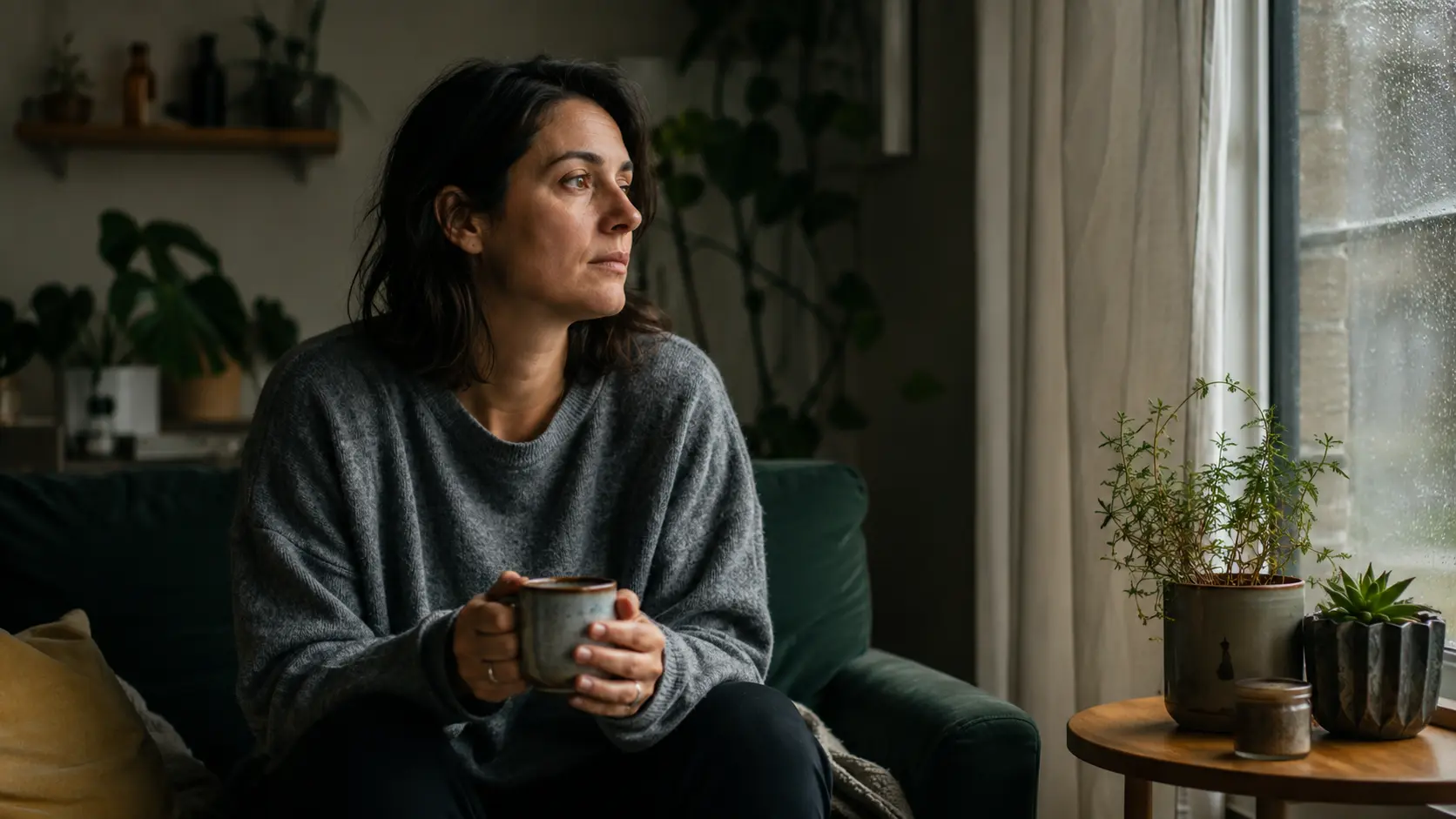
You’re lying awake at 3 AM again, your mind racing with worries about your health, your finances, your grandkids, and suddenly you realize the importance of mindfulness meditation has never been clearer because you’re exhausted from carrying the weight of everything alone.
Reducing stress and anxiety
Picture this: you’re sitting in your favorite chair, and instead of scrolling through news that makes your chest tight, you pause. You take a breath. Mindfulness meditation teaches seniors to do exactly this when stress creeps in. Martha, a 68-year-old grandmother, used to feel her shoulders tense up every time her phone rang. After just two weeks of daily five-minute meditation sessions, she noticed something shift. When anxiety started to bubble up, she had a choice now. She could name it, acknowledge it, and let it pass like a cloud across the sky rather than letting it consume her entire day. The practice works by anchoring your attention to the present moment, your breath, or bodily sensations. When your mind wanders to past regrets or future fears, you gently bring it back, again and again. This simple act of returning builds a mental muscle that helps you respond to stress differently, with more space between the trigger and your reaction.
- Enhances emotional regulation
- Reduces feelings of loneliness
- Improves overall well-being
Enhancing cognitive function
Your brain doesn’t have to slow down just because you’ve hit 65 or 75. Research shows that regular mindfulness meditation actually strengthens the areas of your brain responsible for memory, attention, and decision-making. Think of it like a gym membership for your mind. When Robert started meditating at 72, he was worried about forgetting his grandchildren’s names or losing track of conversations. Within a few months of consistent practice, he noticed he was sharper during card games, could follow complex stories more easily, and felt more mentally present during family dinners. The meditation works by increasing focus and reducing the mental clutter that makes it harder to concentrate. Instead of your attention bouncing around like a pinball, you train it to settle and stay put. You become better at filtering out distractions, remembering details, and switching between different types of thinking. Many seniors report feeling more mentally agile and capable after establishing a regular practice.
💬 Ready to feel better in 2 minutes?choose where to begin:
Promoting better sleep
Sleep troubles are one of the most common complaints among older adults, and they’re exhausting. You might fall asleep fine but wake at 2 AM with your mind spinning, or you lie in bed for an hour before finally drifting off. Mindfulness meditation helps by calming the nervous system and releasing the physical tension that keeps you wired. Eleanor, 71, struggled with insomnia for years until she tried a simple body scan meditation before bed. She would lie down and mentally travel through her body from her toes to the top of her head, noticing sensations without judgment. This practice quieted the mental chatter that usually kept her awake. Within weeks, she was sleeping through the night more consistently. The key is that meditation reduces the stress hormones keeping your body in high alert mode. It also gives your racing mind something constructive to focus on instead of replaying the day’s worries. Many seniors find that even ten minutes of gentle meditation before bedtime makes a real difference in sleep quality and how rested they feel the next morning.
Boosting emotional resilience
Life doesn’t get easier as you age. You face losses, health changes, and the weight of accumulated experiences. What changes is your ability to move through these challenges without being knocked down by them. Mindfulness meditation builds what therapists call emotional resilience, which is like having an internal shock absorber. David lost his wife of 45 years at 76 and thought he wouldn’t survive the grief. But his daily meditation practice gave him a container for his emotions. He could sit with sadness without being consumed by it, feel the pain without letting it define his entire day. Meditation teaches you to observe your emotions like weather patterns rather than as permanent truths about your life. A difficult feeling arises, you notice it, you breathe, and gradually it shifts. This creates distance between you and your suffering, which paradoxically makes the suffering more bearable. Over time, seniors report feeling more stable, more capable of handling setbacks, and more connected to a sense of inner strength that exists beneath the ups and downs.
Mindfulness meditation empowers seniors to reduce stress and anxiety, enhance cognitive function, promote better sleep, and boost emotional resilience. Through cultivating present-moment awareness, seniors can find peace and navigate the challenges of aging with grace and resilience.
Can seniors start practicing mindfulness meditation even if they have never tried it before?
Yes, seniors can begin practicing mindfulness meditation at any age. It’s never too late to start and experience the benefits of reduced stress, improved cognitive function, better sleep, and enhanced emotional resilience.
How often should seniors practice mindfulness meditation to see results?
Consistency is key when practicing mindfulness meditation. Seniors can start with just a few minutes every day and gradually increase the duration as they become more comfortable. Aim for daily practice to experience the full benefits of mindfulness meditation.
Others also read:
Disclaimer: This article is for informational purposes only and is not a substitute for professional medical advice. Always consult a healthcare professional for personal guidance.
This article presents an experience-based perspective and has been reviewed by the GlobalHealthBeacon editorial team in 2026. It provides structured, evidence-based information to support informed health decisions.
← Back to the main importance of mindfulness meditation page
