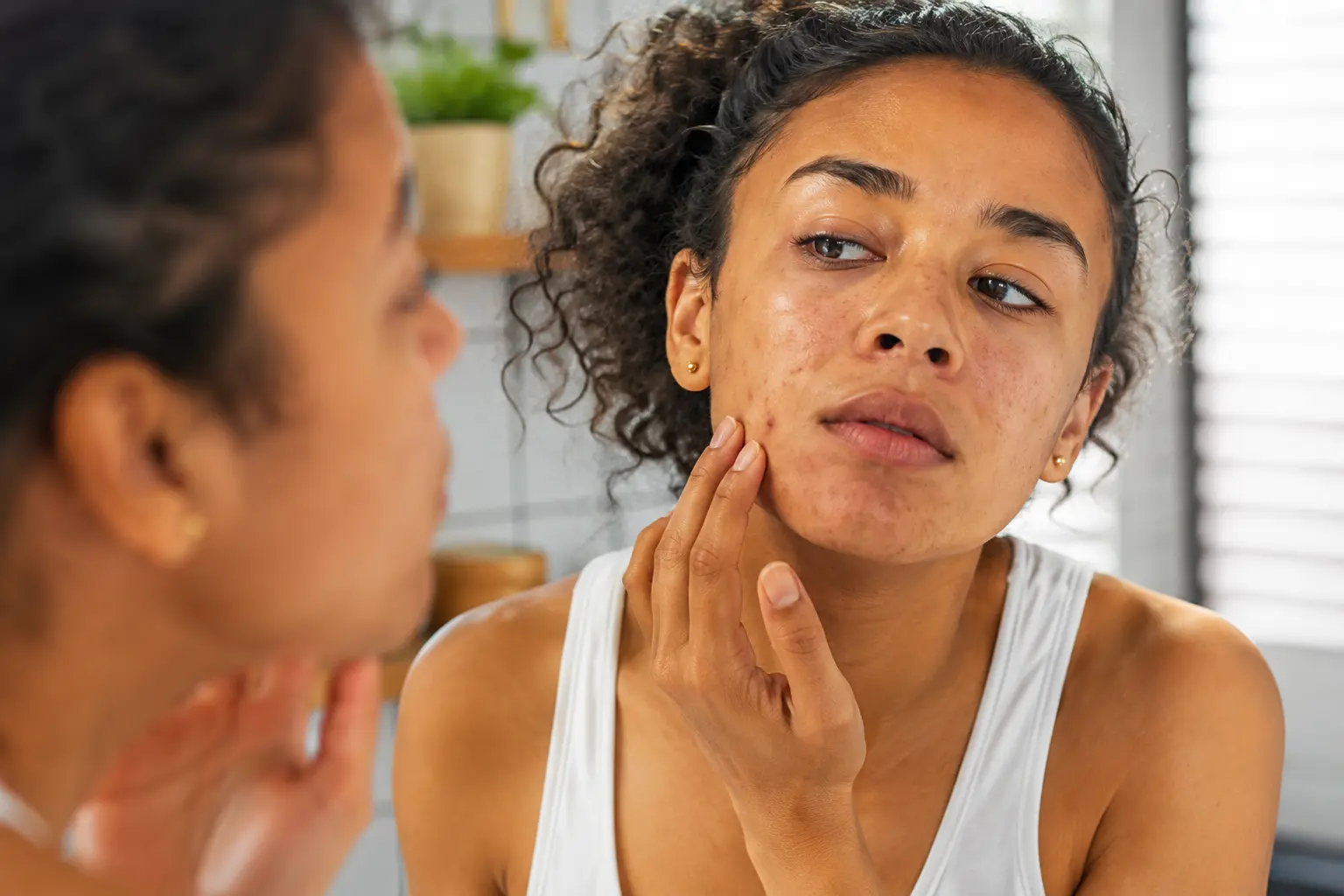
Your skin feels itchy, breaks out unpredictably, and no amount of expensive creams seem to fix it, but nobody’s told you the real reason why: skin microbiome health explained is the missing piece that changes everything.
The skin microbiome: a complex ecosystem
Your skin is not just a barrier between you and the world; it’s a thriving metropolis of microscopic life. The skin microbiome is a diverse community of bacteria, fungi, viruses, and mites that live on your skin’s surface, each playing a specific role in maintaining what scientists call skin homeostasis. Think of it like a neighborhood where every resident has a job. Some bacteria produce antimicrobial compounds that protect you from harmful invaders. Others help regulate your skin’s pH balance, keeping it slightly acidic to prevent infection. Women’s skin microbiomes are particularly dynamic because hormonal fluctuations throughout the menstrual cycle, pregnancy, and menopause can shift which microorganisms thrive. Research shows that the bacterial composition on women’s skin differs from men’s, with variations in species like Cutibacterium acnes and Staphylococcus epidermidis. When this ecosystem is in balance, your skin typically looks clearer, feels less inflamed, and functions optimally. Understanding this living system helps explain why generic skincare approaches often fail.
Microbiome diversity and skin health
Imagine a forest with only one type of tree versus a rainforest with thousands of species. The rainforest is far more resilient to disease and environmental stress. Your skin microbiome works the same way. Microbial diversity refers to the variety and abundance of different microorganisms living on your skin. Higher diversity generally correlates with better skin health and stronger resilience against irritation and infection. When diversity decreases, a condition called dysbiosis occurs, and this is when problems emerge. Women with dysbiosis often experience persistent acne, eczema flare-ups, rosacea, or psoriasis. Research published in dermatological journals shows that people with acne-prone skin have significantly lower microbial diversity compared to those with clear skin. The specific bacteria that dominate in dysbiotic skin tend to trigger inflammatory responses. For example, an overgrowth of Cutibacterium acnes without sufficient beneficial bacteria to keep it in check can lead to clogged pores and breakouts. Conversely, a rich, diverse microbiome acts like a natural defense system, crowding out problematic organisms and maintaining skin equilibrium.
Factors influencing skin microbiome diversity
Your skin microbiome is not static; it responds constantly to what you eat, how you clean, and what your environment throws at it. Diet plays a foundational role because what you consume affects your gut microbiome, which communicates with your skin microbiome through the gut-skin axis. Women who eat diets rich in fiber, fermented foods, and polyphenols from colorful vegetables tend to have more diverse skin microbiomes. Conversely, high-sugar and ultra-processed diets can feed harmful bacteria and reduce beneficial species. Hygiene habits are equally critical, though counterintuitively, over-cleansing damages diversity. Many women use harsh soaps or cleanse multiple times daily, stripping away the skin’s protective lipid layer and beneficial bacteria. This triggers your skin to overproduce oil and bacteria to compensate, creating a vicious cycle. Environmental factors like UV exposure, air pollution, humidity, and temperature also shape which organisms flourish. Women living in humid climates may have different microbiome compositions than those in dry regions. Stress hormones like cortisol can shift the balance too, which is why breakouts often coincide with stressful periods.
- Incorporate a variety of colorful fruits, vegetables, and fermented foods like yogurt or kimchi into your daily meals to support microbial diversity from within.
- Switch to gentle, pH-balanced cleansers and limit cleansing to twice daily to preserve your skin’s natural protective barrier and beneficial bacteria.
- Protect your skin from environmental stressors by using broad-spectrum sunscreen, minimizing pollution exposure, and managing stress through sleep and relaxation techniques.
🔬 Science-backed benefits in 2 minuteschoose where to begin:
Skin microbiome and skin conditions
The connection between microbiome imbalance and skin disease is no longer theoretical; it’s backed by substantial research. Women with eczema consistently show reduced microbial diversity and altered bacterial composition compared to those without eczema. Their skin often lacks sufficient Staphylococcus epidermidis, a beneficial bacterium that produces compounds protecting against inflammation. Acne-prone skin typically shows an overgrowth of Cutibacterium acnes alongside reduced diversity of other protective species. Rosacea sufferers frequently have elevated levels of Demodex mites and altered bacterial communities that trigger vascular and immune responses. Psoriasis is associated with dysbiosis patterns that promote inflammatory pathways. A 45-year-old woman might notice that her acne worsened after years of using harsh acne treatments that decimated her skin microbiome, leaving her vulnerable to worse breakouts. Another woman in her 30s might develop eczema flare-ups during stressful work periods because stress-induced hormonal changes shift her microbiome composition. Understanding these connections means that treating skin conditions increasingly involves restoring microbiome balance rather than just targeting symptoms.
Maintaining a healthy skin microbiome
Supporting your skin microbiome is less about finding the perfect product and more about creating conditions where beneficial microorganisms thrive. Start with cleansing: use lukewarm water and gentle, sulfate-free cleansers that respect your skin’s pH. Pat skin dry gently rather than rubbing. Moisturize with products containing prebiotics or postbiotics, ingredients that feed beneficial bacteria or provide their metabolic byproducts. Avoid products with high concentrations of alcohol or essential oils that can disrupt the microbiome. Nutrition matters profoundly; women who prioritize foods rich in omega-3 fatty acids, antioxidants, and fiber see improvements in skin clarity and resilience. Probiotic and prebiotic foods like sauerkraut, tempeh, asparagus, and garlic support both gut and skin microbiomes. Sleep quality directly impacts microbiome composition because poor sleep elevates stress hormones that dysregulate microbial balance. Aim for seven to nine hours nightly. Limit antibiotic use to when medically necessary, as antibiotics indiscriminately kill beneficial bacteria alongside harmful ones. Manage stress through yoga, meditation, or walks because chronic stress hormones persistently shift microbiome composition in unfavorable ways.
Future directions in skin microbiome research
Skin microbiome science is advancing rapidly, moving toward personalized dermatology. Researchers are developing microbiome profiling tests that identify exactly which bacteria and fungi live on your skin, allowing dermatologists to recommend targeted interventions rather than generic treatments. Some studies explore using beneficial bacterial strains as live biotherapeutics, essentially transplanting healthy microorganisms onto dysbiotic skin. Others investigate how specific dietary compounds selectively promote beneficial bacteria while suppressing harmful ones. Women may soon receive skincare recommendations based on their individual microbiome composition, age, hormonal status, and environmental exposure rather than broad skin type categories. Emerging research also examines how hormonal contraceptives and hormone replacement therapy affect skin microbiome composition, which could revolutionize how women manage skin health during different life stages. The field is also exploring the microbiome’s role in skin aging, with early evidence suggesting that microbiome diversity may influence collagen production and skin elasticity. Within the next five to ten years, microbiome-informed skincare will likely become standard practice rather than cutting-edge science.
Your skin microbiome is a living ecosystem that profoundly influences skin health, and understanding how it works transforms how you approach skincare. Diversity matters because a rich community of microorganisms protects against inflammation and disease, while dysbiosis opens the door to acne, eczema, and other conditions. Lifestyle factors like diet, cleansing habits, stress management, and environmental protection directly shape your microbiome composition. By supporting microbial diversity through gentle skincare, nutrient-rich eating, and stress reduction, you’re not just treating symptoms but addressing the root cause of many skin issues. The future of dermatology is moving toward personalized microbiome-based solutions tailored to your unique skin ecosystem.
Can I improve my skin microbiome health?
Yes, absolutely. You can enhance your skin microbiome by using gentle, pH-balanced cleansers, eating a diet rich in fiber and fermented foods, managing stress through sleep and relaxation, protecting your skin from environmental damage, and avoiding unnecessary antibiotics. Changes often take four to eight weeks to become visible because the microbiome shifts gradually.
How does the skin microbiome influence skin conditions?
Dysbiosis, or microbial imbalance, directly contributes to acne, eczema, rosacea, and psoriasis by reducing beneficial bacteria that protect against inflammation while allowing harmful organisms to overgrow. Restoring microbiome diversity through lifestyle changes and targeted skincare can help reduce flare-ups and improve skin resilience over time.
Others also read:
Disclaimer: This article is for informational purposes only and is not a substitute for professional medical advice. Always consult a healthcare professional for personal guidance.
This article has been prepared and reviewed by the GlobalHealthBeacon editorial team and is based on current medical research and published scientific literature available in 2026. It provides structured, evidence-based information to support informed health decisions.
← Back to the Main page on: skin microbiome health explained
