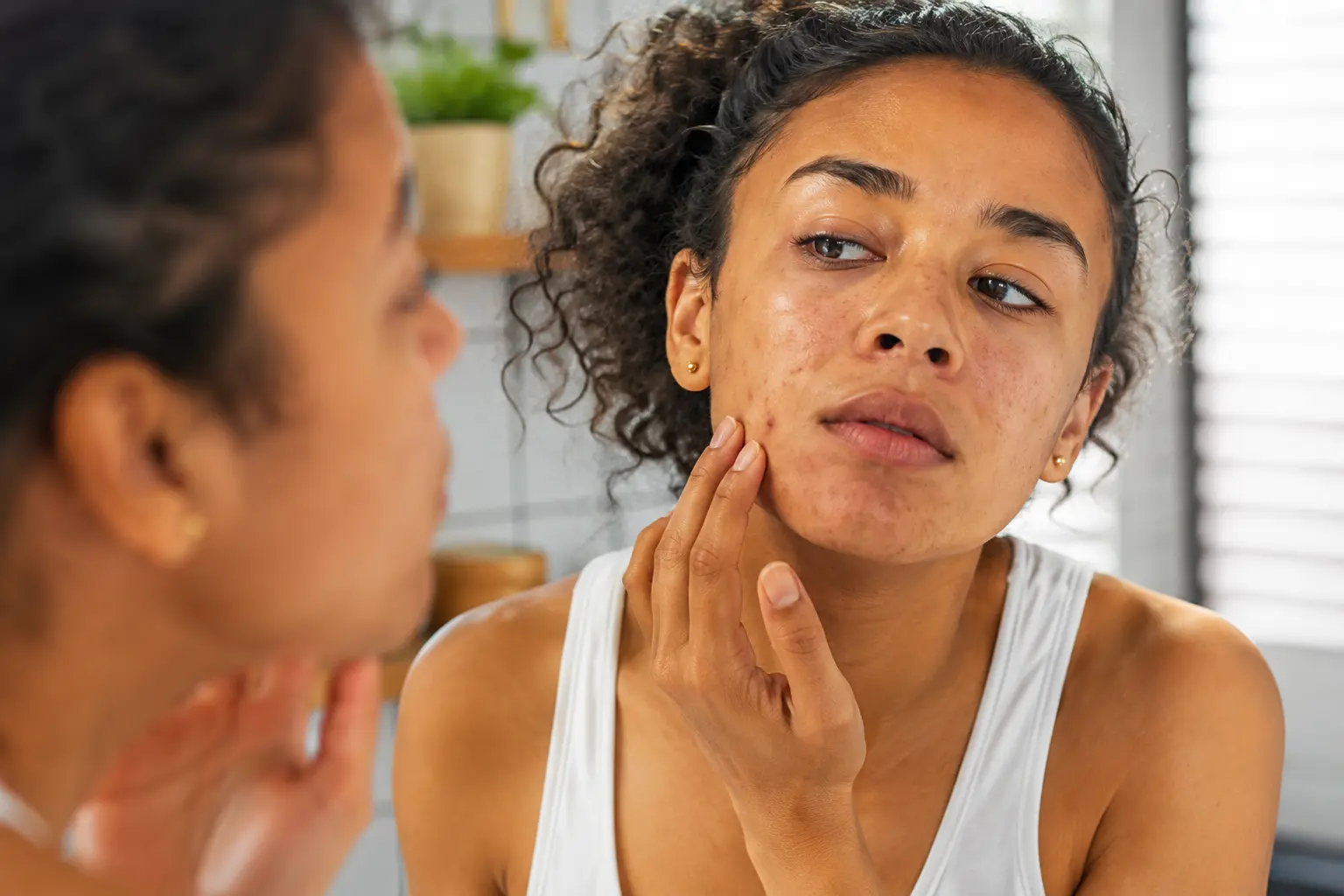
Your skin feels inflamed, breaks out unpredictably, and nothing seems to fix it because you’ve been treating the symptom instead of the root cause, and skin microbiome health explained is the missing piece that dermatologists wish you knew about sooner.
Understanding the skin microbiome
Your skin is not a sterile surface. It is home to trillions of microorganisms, including bacteria, fungi, and viruses that form a complex ecosystem called the skin microbiome. Think of it like a thriving neighborhood where good residents keep the bad ones in check. When this balance is intact, your skin barrier strengthens, inflammation decreases, and conditions like acne, rosacea, and eczema become easier to manage. These microorganisms produce compounds that protect your skin from pathogens, regulate pH levels, and support your immune response. For young adults especially, understanding this ecosystem matters because your skin is still establishing its microbial balance while facing stress, hormonal shifts, and environmental pressures. A healthy microbiome acts as your skin’s natural defense system, preventing harmful bacteria from colonizing and causing breakouts or infections. When the balance tips, even one aggressive skincare product or course of antibiotics can disrupt years of microbial harmony.
- Balance of Good and Bad Bacteria
- Role in Immune Function
- Impact on Skin Conditions
Choosing microbiome-friendly products
Not all skincare products are created equal, and many conventional ones actively harm your skin microbiome without you realizing it. Start by reading ingredient lists and avoiding harsh sulfates, alcohol, and synthetic fragrances that strip away beneficial bacteria along with dirt and oil. Look for products labeled with prebiotics, probiotics, or postbiotics, which feed and support good bacteria. A practical example: if you currently use a foaming cleanser that leaves your skin feeling tight, switch to a gentle milk or oil cleanser that removes impurities without destroying your microbiome. Many young adults make the mistake of over-cleansing, using multiple actives in one routine, or switching products every week chasing quick results. Instead, introduce microbiome-friendly products slowly, one at a time, giving your skin four to six weeks to adjust. Brands now offer microbiome-conscious serums, moisturizers, and even sunscreens formulated to maintain bacterial diversity. The goal is not sterility, it is balance, so your skin can heal itself naturally.
📘 Fix your day in under 2 minuteschoose where to begin:
Eating for a healthy skin microbiome
Your gut microbiome directly influences your skin microbiome through the gut-skin axis, meaning what you eat matters as much as what you apply topically. A young adult struggling with persistent acne might discover that adding fermented foods like yogurt, kimchi, or kombucha makes a visible difference within weeks. Whole grains feed beneficial bacteria, while fiber-rich vegetables create an environment where good microbes thrive. Limit processed foods and excess sugar because they feed harmful bacteria and yeasts that can trigger inflammation and breakouts. Hydration is equally critical, as water supports skin barrier function and helps your body flush toxins. Consider this scenario: you increase your water intake from two cups to eight cups daily and add one serving of fermented food to your meals. Within three weeks, your skin clarity improves, redness decreases, and breakouts become less frequent. This is not magic, it is microbiology. Omega-3 rich foods like salmon and flaxseeds also reduce inflammation systemically, which translates to calmer, healthier-looking skin.
Avoiding disruptors
Your microbiome is fragile, and certain habits destroy it faster than you might expect. Antibacterial soaps kill indiscriminately, wiping out good bacteria along with bad ones, leaving your skin vulnerable to opportunistic pathogens. Over-exfoliation, even with gentle products, damages the skin barrier and removes the protective mucus layer where beneficial bacteria live. If you are taking antibiotics for acne, discuss the duration with your dermatologist because long-term use devastates your skin microbiome and can lead to antibiotic-resistant bacteria. Young adults often make the mistake of thinking more is better, so they exfoliate daily, use multiple actives, and apply harsh treatments hoping for faster results. This backfires. Your skin becomes sensitized, the microbiome collapses, and you end up with worse inflammation than you started with. Instead, simplify your routine, use gentle products, and protect your skin barrier with a good moisturizer. If you must take antibiotics, consider adding a probiotic supplement and microbiome-friendly skincare to minimize damage.
Seeking professional advice
While self-education is valuable, a dermatologist or trained skincare professional can assess your specific skin type, microbiome status, and concerns to create a personalized plan. Some dermatologists now offer microbiome testing, which identifies which bacteria are dominant on your skin and which are missing. This information guides product selection and lifestyle changes with precision rather than guesswork. A young adult with persistent acne might discover through testing that their skin lacks certain beneficial bacteria, making probiotic products the right choice rather than harsh actives. Professional guidance also prevents costly mistakes, like spending money on trendy products that do not match your microbiome needs. A dermatologist can recommend prescription-strength microbiome-supportive treatments if needed and monitor your progress over time. They also help you distinguish between normal skin adjustment and actual irritation, so you do not abandon a good routine too early. Building a relationship with a skin professional gives you accountability, education, and access to treatments that over-the-counter products cannot provide.
Understanding the skin microbiome and adopting microbiome-friendly practices can positively impact the skin health of young adults. By prioritizing a balanced diet, selecting suitable skincare products, and avoiding disruptors, individuals can support the diversity and resilience of their skin microbiome.
Can microbiome care help with acne?
Microbiome care can play a role in managing acne by promoting a healthy balance of skin bacteria. However, individual results may vary, and it is essential to consult a dermatologist for personalized treatment recommendations.
Are probiotic skincare products effective?
Probiotic skincare products may help support the skin microbiome by introducing beneficial bacteria, but their effectiveness can vary. It is advisable to combine probiotic products with a holistic approach to skincare for optimal results.
Others also read:
Disclaimer: This article is for informational purposes only and is not a substitute for professional medical advice. Always consult a healthcare professional for personal guidance.
This guide has been prepared and reviewed by the GlobalHealthBeacon editorial team and reflects current medical research as of 2026. It provides structured, evidence-based information to support informed health decisions.
