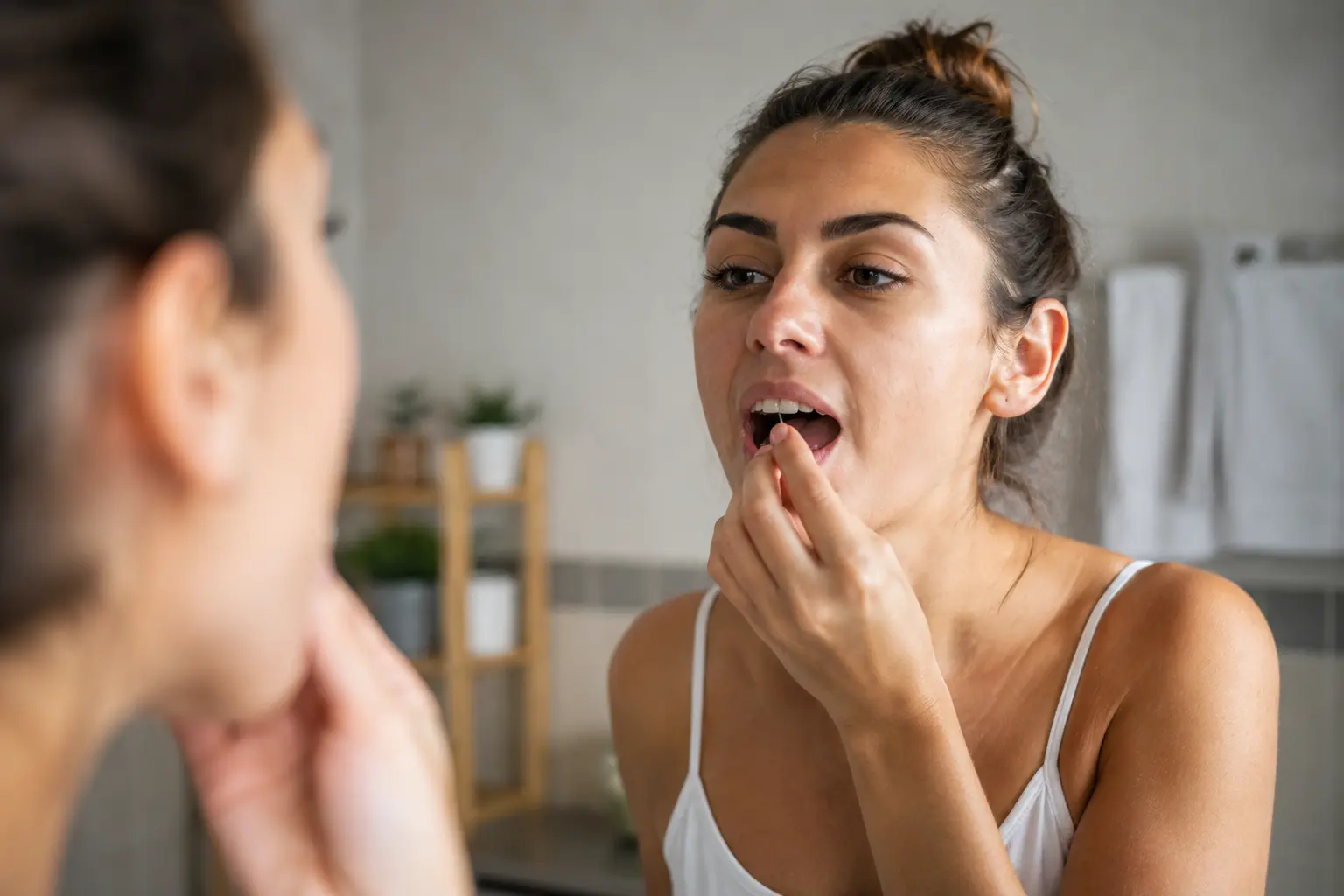
Your mouth feels off, teeth are shifting, and you’re worried about what’s happening beneath the surface – but nobody’s really explaining how your oral microbiome health actually works or what you can do about it.
Understanding oral microbiome health
Your mouth isn’t just a space where teeth live. It’s a thriving ecosystem containing billions of bacteria, fungi, and other microorganisms that work together to keep your mouth functioning properly. Think of it like a garden: some bacteria are beneficial and help protect your teeth and gums, while others can cause decay and disease if they multiply unchecked. As you age, this balance becomes increasingly important because your immune system naturally weakens, making it harder for your body to fight off harmful bacteria on its own. The oral microbiome directly influences your breath quality, gum health, tooth strength, and even your ability to taste food properly. When this ecosystem falls out of balance, you might notice symptoms like persistent bad breath, gum sensitivity, or receding gums. Understanding this foundation helps you see why generic oral care advice often misses the mark for seniors. Your mouth has unique needs that require a targeted approach.
- Regular brushing and flossing help control harmful bacteria and prevent plaque buildup that disrupts your microbiome balance.
- Avoid excessive sugar intake to support a healthy oral microbiome, as sugar feeds cavity-causing bacteria and creates an acidic environment.
- Stay hydrated to promote saliva production, which aids in maintaining a balanced oral environment and naturally fights bacteria.
Healthy diet for oral microbiome
What you eat directly shapes the bacteria living in your mouth. A senior named Margaret discovered this firsthand when her dentist suggested she add probiotic-rich foods to her diet. Within weeks of including plain yogurt at breakfast and fermented vegetables with lunch, her gum inflammation decreased noticeably. The reason is straightforward: foods rich in probiotics introduce beneficial bacteria that compete with harmful strains for space and resources. Beyond probiotics, focus on foods high in calcium and vitamin D, which strengthen tooth enamel and bone density. Leafy greens like spinach and kale provide minerals that support gum health. Crunchy vegetables like carrots and celery act as natural teeth cleaners by stimulating saliva flow. Avoid processed foods, sticky candies, and acidic drinks like soda and citrus juices, which erode enamel and feed harmful bacteria. Think of your diet as medicine for your mouth. Every meal is an opportunity to either support or undermine your oral microbiome.
📘 Fix your day in under 2 minuteschoose where to begin:
Effective oral hygiene practices
Brushing twice daily and flossing once a day form the foundation, but seniors often benefit from additional steps that younger people might skip. Using a soft-bristled toothbrush matters more as you age because gum tissue becomes thinner and more prone to damage. Consider an electric toothbrush, which many seniors find easier to control and more effective at removing plaque. An antimicrobial mouthwash used after brushing can reduce harmful bacteria, though choose one without alcohol if you have dry mouth, a common senior issue. Tongue scraping deserves special attention because your tongue harbors more bacteria than any other surface in your mouth. Spend 30 seconds gently scraping from back to front, then rinse. Some seniors find that using water flossers instead of traditional floss works better if arthritis or dexterity issues make traditional flossing difficult. The key is consistency and gentleness. Aggressive brushing damages gums and creates pockets where bacteria hide. Think of your routine as a daily reset that keeps your oral ecosystem stable.
Regular dental check-ups
Many seniors assume that if their teeth don’t hurt, they don’t need to see a dentist. This assumption costs them thousands in preventive care. Professional dental visits serve purposes that home care simply cannot. Your dentist can spot early signs of gum disease, oral cancer, or bone loss before you feel any symptoms. During a cleaning, dental hygienists remove tartar buildup that your toothbrush cannot reach, especially in areas where gum recession has created vulnerable spaces. For seniors, these visits also provide an opportunity to discuss medications that might affect oral health. Some blood pressure medications, for example, cause dry mouth, which allows harmful bacteria to thrive. Your dentist can recommend adjustments or compensatory strategies. A 72-year-old patient named Robert learned that his diabetes medication was contributing to his gum problems. Once his dentist identified this connection, they worked together to manage both conditions more effectively. Scheduling visits every six months rather than annually gives your dentist a chance to catch problems early and monitor changes in your oral microbiome over time.
Lifestyle factors impacting oral health
Tobacco and alcohol are obvious culprits that damage oral tissue and feed harmful bacteria, but stress and sleep quality matter just as much. When you’re stressed, your body produces cortisol, which suppresses immune function and makes it harder to fight oral infections. A consistent meditation practice, even just 10 minutes daily, can measurably improve your gum health by reducing inflammation. Sleep deprivation has a similar effect, weakening your immune response and allowing bacteria to multiply unchecked. Aim for seven to eight hours nightly and maintain a regular sleep schedule. Exercise improves circulation, which helps deliver oxygen and nutrients to gum tissue. Even gentle activities like daily walks benefit your oral microbiome. Smoking is particularly destructive because it reduces blood flow to gums, making them more vulnerable to infection and slower to heal. If you’ve smoked for decades, quitting at any age still provides immediate benefits. Within weeks, your gum health typically improves. Alcohol, especially when used as a rinse or held in the mouth, creates an acidic environment that erodes enamel and kills beneficial bacteria. These lifestyle factors work together. A senior who manages stress, sleeps well, exercises regularly, and avoids tobacco and excess alcohol will see dramatically better results than someone who only focuses on brushing and flossing.
Maintaining a healthy oral microbiome involves a combination of good oral hygiene practices, a balanced diet, regular dental check-ups, and healthy lifestyle choices. By following these steps, seniors can support their oral health and overall well-being effectively.
Can poor oral health affect my overall health as a senior?
Yes, poor oral health has been linked to various systemic conditions like heart disease and diabetes. It’s essential for seniors to prioritize their oral health to maintain overall well-being.
How often should seniors visit the dentist for optimal oral health?
Seniors should schedule dental check-ups at least every six months to ensure their oral health is monitored and any issues are addressed promptly.
Others also read:
Disclaimer: This article is for informational purposes only and is not a substitute for professional medical advice. Always consult a healthcare professional for personal guidance.
This guide has been prepared and reviewed by the GlobalHealthBeacon editorial team and reflects current medical research as of 2026. It provides structured, evidence-based information to support informed health decisions.
