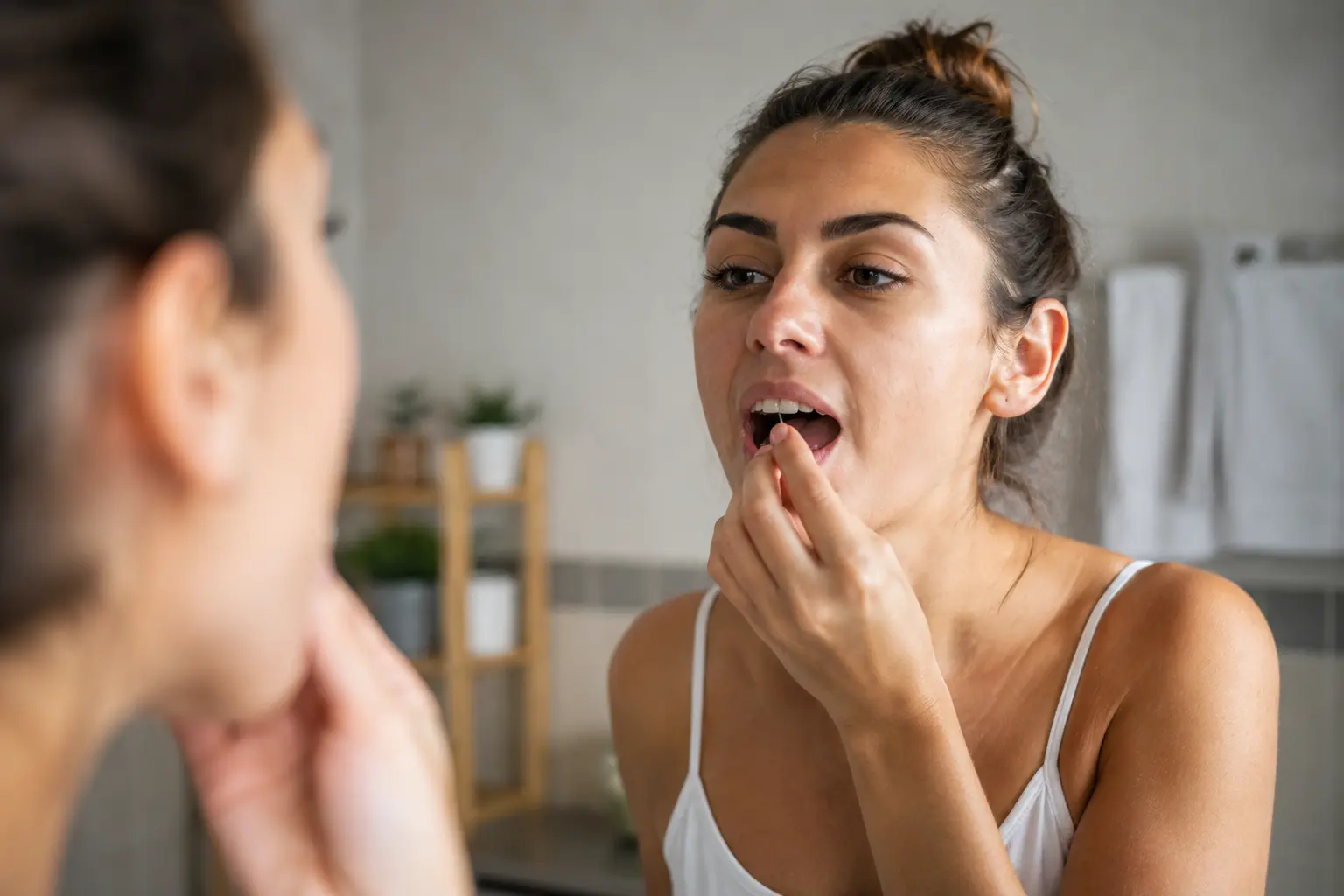
Your mouth feels off, your breath smells despite brushing, and you’re wondering if something deeper is going wrong with your oral microbiome health – and honestly, you’re not alone in feeling this way.
What is the oral microbiome?
The oral microbiome is essentially a living ecosystem inside your mouth, made up of hundreds of different species of bacteria, viruses, fungi, and other microscopic organisms. Think of it like a tiny city where different residents coexist and maintain a delicate balance. When this balance is healthy, these microbes work together to support your mouth’s natural defenses. They help break down food particles during digestion, produce compounds that protect your teeth from decay, and actively fight off harmful pathogens that could cause infection. For seniors, understanding this microscopic world becomes increasingly important because the composition of this ecosystem changes with age. Research shows that a healthy oral microbiome contributes not just to fresher breath and stronger teeth, but also to your body’s overall immune function and even cardiovascular health.
Factors affecting oral microbiome health
Your oral microbiome doesn’t exist in isolation – it responds to everything happening in your life and body. Diet plays a major role: frequent consumption of sugary foods and acidic beverages can shift the balance toward harmful bacteria that thrive in those conditions. Medications, especially those that reduce saliva production, can dramatically alter the microbial landscape because saliva is your mouth’s natural cleaning agent. Age itself is a significant factor – as you get older, your immune system changes and your saliva composition shifts, which naturally affects which microbes flourish. Smoking and tobacco use create an inflammatory environment that disrupts the healthy balance. Even stress and sleep quality influence your oral microbiome through hormonal changes. When this delicate balance tips, you might notice increased gum inflammation, more frequent cavities, persistent bad breath, or even tooth loss. Understanding these triggers helps you see why one-size-fits-all oral care doesn’t work for everyone.
Maintaining a healthy oral microbiome
Building a routine that supports your oral microbiome takes intention but becomes second nature quickly. Start with brushing twice daily using a soft-bristled toothbrush, which removes plaque without damaging your gum tissue – a common mistake many seniors make by brushing too aggressively. Flossing daily reaches the spaces between teeth where harmful bacteria hide and multiply. Your diet matters enormously: include plenty of leafy greens, berries, and fatty fish rich in omega-3s, which have anti-inflammatory properties. Consider fermented foods like yogurt or kefir that contain beneficial bacteria, though research on their direct impact on oral microbiome is still evolving. Avoid tobacco completely and limit sugary snacks and drinks, which feed harmful bacteria. Stay hydrated throughout the day because adequate water intake supports saliva production. A common mistake is assuming that mouthwash alone can maintain oral health – while it has a role, it can also disrupt beneficial bacteria if used excessively. The goal is creating an environment where your natural defenses can thrive.
- Brush teeth twice daily with a soft-bristled toothbrush using gentle circular motions.
- Floss daily to remove plaque and food debris between teeth and below the gum line.
- Consume a balanced diet rich in vegetables, fruits, omega-3 fatty acids, and fermented foods.
- Drink plenty of water throughout the day to support saliva production.
- Avoid tobacco products and limit sugary foods and acidic beverages.
- Use mouthwash moderately to avoid disrupting beneficial bacteria.
🔬 Science-backed benefits in 2 minuteschoose where to begin:
Role of the oral microbiome in seniors
As you age, your oral microbiome undergoes significant changes that can feel frustrating if you’re not prepared for them. The diversity of bacterial species in your mouth tends to decrease, meaning fewer different types of protective microbes are present to defend against harmful ones. Your saliva production often declines, which reduces your mouth’s natural ability to cleanse itself and maintain pH balance. These changes create an environment where gum disease becomes more common and tooth loss becomes a real risk for many seniors. Research indicates that seniors with compromised oral microbiomes are more likely to experience systemic health issues, including infections that can spread beyond the mouth. The good news is that understanding these age-related changes empowers you to be proactive rather than reactive. Many seniors who pay close attention to their oral health and work with their dentist to monitor changes can maintain strong teeth and healthy gums well into their later years. It’s not inevitable decline – it’s a shift that requires awareness and adjusted care strategies.
Research insights on oral microbiome and aging
Scientists studying oral microbiomes across different age groups have discovered fascinating patterns that help explain why dental health changes as we age. Studies show that the bacterial composition in a 70-year-old’s mouth looks distinctly different from that of a 30-year-old, with shifts toward species that are more inflammatory and less protective. Longitudinal research tracking individuals over years reveals that these changes don’t happen suddenly but gradually shift in response to lifestyle, medications, and immune system changes. Some research suggests that maintaining microbial diversity – having many different species present – is protective against oral disease, similar to how biodiversity supports ecosystem health. Emerging studies are exploring connections between oral microbiome composition and conditions like heart disease and diabetes, suggesting the mouth serves as a window into systemic health. While researchers continue investigating exactly how to optimize the oral microbiome in aging populations, current evidence supports the importance of preventive care, regular monitoring, and lifestyle choices that support microbial balance.
Importance of regular dental check-ups
For seniors, regular dental visits shift from being routine maintenance to becoming an essential monitoring system for your oral health. A skilled dentist can detect early signs of microbiome imbalance before you notice symptoms – things like subtle gum changes, early-stage bone loss, or emerging infection patterns. During these visits, your dentist can assess whether your current oral care routine is working for your specific situation or if adjustments are needed. They can identify medication side effects affecting your mouth, recommend targeted interventions, and catch problems like cavities or gum disease at stages when they’re easily manageable. For seniors with multiple health conditions or taking numerous medications, your dentist becomes part of your broader healthcare team, communicating with your doctor about oral health impacts on overall wellness. Professional cleanings remove tartar buildup that brushing and flossing alone cannot address, helping restore balance to your microbiome. Many dentists now offer personalized recommendations based on your individual microbiome profile, making check-ups far more targeted and effective than generic advice.
Your oral microbiome is a dynamic ecosystem that changes throughout your life, and understanding how it works becomes increasingly valuable as you age. Multiple factors – from diet and medications to stress and sleep – influence whether your mouth’s microbial community supports or undermines your health. By practicing consistent oral hygiene, making thoughtful dietary choices, avoiding tobacco, and maintaining regular dental check-ups, you create conditions where your natural defenses can thrive. The research is clear that seniors who actively support their oral microbiome health enjoy better oral outcomes and potentially better overall health. This isn’t about perfection or complicated routines – it’s about informed, intentional choices that align with how your mouth actually works.
How does age affect the oral microbiome?
As you age, several changes occur in your oral microbiome. The diversity of bacterial species typically decreases, meaning fewer protective microbes are present. Saliva production often declines, reducing your mouth’s natural cleansing ability. These changes create an environment where harmful bacteria can more easily establish themselves, increasing your risk of gum disease and tooth loss. However, understanding these changes allows you to adjust your care strategies proactively rather than simply accepting decline as inevitable.
What can seniors do to improve their oral microbiome health?
Seniors can support their oral microbiome through several evidence-based approaches. Practice consistent oral hygiene with twice-daily brushing using a soft-bristled toothbrush and daily flossing. Consume a balanced diet rich in vegetables, fruits, and omega-3 fatty acids while limiting sugary foods and acidic beverages. Stay well-hydrated to support saliva production. Avoid tobacco completely. Schedule regular dental check-ups so your dentist can monitor changes and provide personalized recommendations. These combined strategies create an environment where your natural oral defenses can function optimally.
Others also read:
Disclaimer: This article is for informational purposes only and is not a substitute for professional medical advice. Always consult a healthcare professional for personal guidance.
This article has been prepared and reviewed by the GlobalHealthBeacon editorial team and is based on current medical research and published scientific literature available in 2026. It provides structured, evidence-based information to support informed health decisions.
