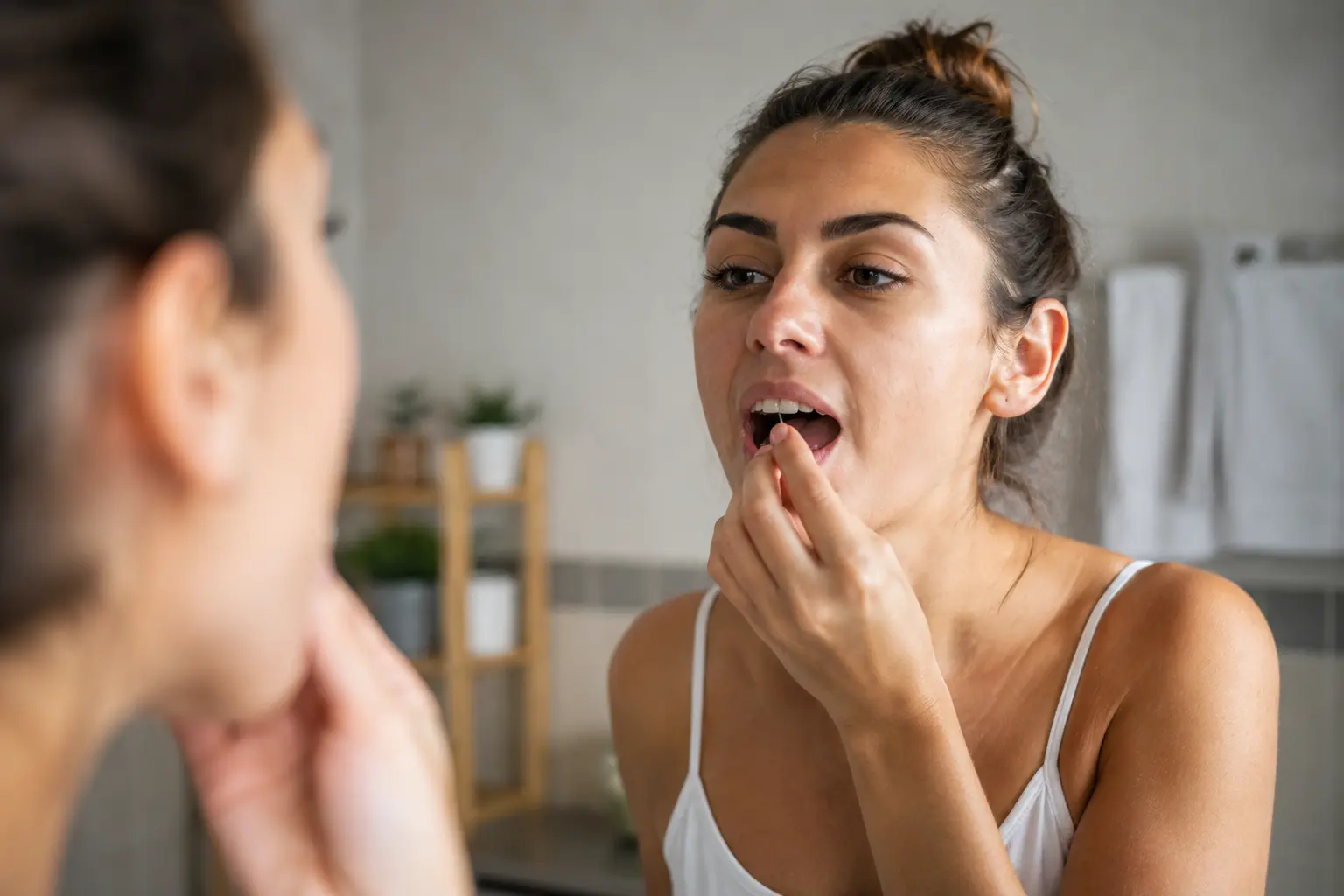
Your mouth feels off lately, your breath lingers no matter how much you brush, and your gums seem angrier than they used to be, all because your oral microbiome health has quietly shifted with age.
Understanding the oral microbiome
Think of your mouth as a bustling neighborhood where trillions of bacteria, fungi, viruses, and other microorganisms live together in a delicate balance. These microscopic residents have been with you your whole life, quietly working to keep your mouth functioning smoothly. The oral microbiome helps break down food, produces compounds that protect your teeth, and even communicates with your immune system. When you hit 60, this neighborhood starts changing. Your saliva production may decrease, medications alter the environment, and years of dietary choices reshape who lives where. Understanding this shift is the first step toward reclaiming control over your oral health and recognizing that what feels like sudden problems might actually be a long-evolving story.
- Maintaining a diverse and balanced oral microbiome is vital for preventing oral diseases such as gum disease, cavities, and bad breath.
- Certain factors like age, diet, medications, and oral hygiene practices can influence the composition of your oral microbiome.
- Regular dental check-ups, proper oral hygiene, and a balanced diet rich in fruits and vegetables can help support a healthy oral microbiome.
Signs of imbalanced oral microbiome
You might notice it first as a taste in your mouth that won’t go away, or gums that bleed when you floss gently. Maybe your dentures fit differently, or eating becomes a careful calculation to avoid sensitive spots. An imbalanced oral microbiome often announces itself through persistent bad breath that mouthwash can’t mask, tooth decay that seems to accelerate, and gums that feel tender or swollen. Some seniors describe it as their mouth feeling sticky or dry despite drinking water. These symptoms aren’t just inconveniences; they reshape how you eat, speak, and interact with others. You might avoid laughing in social settings or feel self-conscious about your breath. The frustration deepens when you realize you’re following all the traditional advice yet still struggling, suggesting something deeper has shifted in your mouth’s microbial ecosystem.
💬 Ready to feel better in 2 minutes?choose where to begin:
Healthy habits for a balanced microbiome
Start with the basics you already know, then go deeper. Brush twice daily with a soft-bristled brush, but pay attention to your gum line where imbalance often begins. Floss every single day, not just when something feels stuck, because you’re physically removing the bacteria colonies that form between teeth. Stay hydrated throughout the day; your saliva is your mouth’s first line of defense, and dehydration weakens it. Cut back on sugary snacks and acidic drinks that feed harmful bacteria while starving beneficial ones. Avoid smoking and limit alcohol, both of which disrupt your oral ecosystem. Consider adding probiotic-rich foods like yogurt or fermented vegetables to your diet. Some seniors find that rinsing with salt water or using specific mouthwashes recommended by their dentist helps rebalance their microbiome. The key is consistency and patience; you’re not looking for overnight fixes but rather rebuilding trust in your mouth’s natural defenses.
Seeking professional guidance
If you’ve been diligent with your routine for weeks and still experience bleeding gums, persistent bad breath, or accelerating tooth decay, it’s time to stop troubleshooting alone and call your dentist. They can examine your mouth, take samples if needed, and identify exactly which microbes are thriving and which are missing. Your dentist or periodontist understands that oral microbiome health isn’t one-size-fits-all, especially after 60 when medications, systemic health changes, and years of accumulated wear create unique conditions. They might recommend specific antimicrobial treatments, prescribe targeted rinses, suggest dietary adjustments based on your situation, or refer you to a specialist. Don’t feel embarrassed about these visits; imbalanced oral microbiomes are incredibly common in seniors, and professionals see them daily. Getting professional assessment transforms you from guessing to knowing, from frustration to action, and from isolated struggle to partnered care.
Understanding the delicate balance of your oral microbiome is crucial for maintaining optimal oral health as you age. By adopting healthy habits, staying proactive with oral care, and seeking professional guidance when needed, seniors can support a flourishing oral microbiome and enhance their overall well-being.
What role does age play in oral microbiome health?
As you age, changes in your oral environment, medication use, and medical conditions can alter the composition of your oral microbiome. It’s important to adapt your oral care routine to address these changes and maintain a healthy balance.
Can diet affect the oral microbiome?
Yes, a diet high in sugar and processed foods can disrupt the balance of your oral microbiome, leading to an increased risk of oral health issues. Opt for a balanced diet rich in fruits, vegetables, and whole grains to support a diverse and beneficial oral microbiome.
Others also read:
Disclaimer: This article is for informational purposes only and is not a substitute for professional medical advice. Always consult a healthcare professional for personal guidance.
This article presents an experience-based perspective and has been reviewed by the GlobalHealthBeacon editorial team in 2026. It provides structured, evidence-based information to support informed health decisions.
