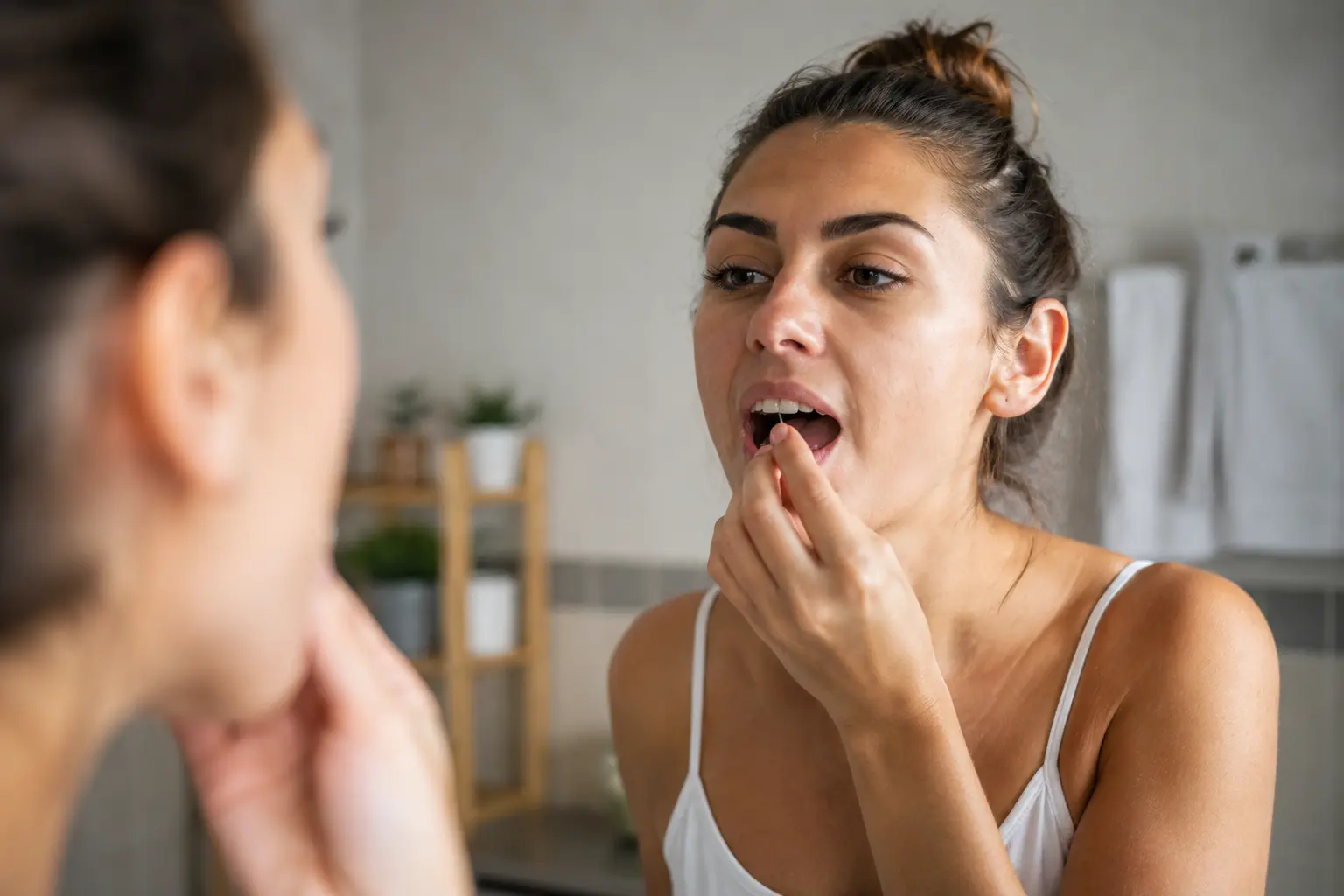
You wake up with a metallic taste in your mouth, catch your reflection and realize your gums look angrier than yesterday, and suddenly you’re hyperaware of your breath during that important meeting, all because your oral microbiome health has quietly spiraled out of balance.
The impact of oral microbiome on overall health
Your mouth is like a tiny ecosystem, and when that ecosystem thrives, so do you. The oral microbiome consists of hundreds of bacterial species living in harmony, and when they’re balanced, they protect your teeth, support your immune system, and even influence your digestion. But here’s what most women don’t realize: this balance is fragile. A course of antibiotics, hormonal shifts during your cycle, stress, or even switching toothpaste brands can throw everything off. One woman I know noticed that after starting a new medication, her gums became inflamed and her bad breath returned for the first time in years. She felt embarrassed, confused about what changed. The truth is, when your oral microbiome gets disrupted, harmful bacteria multiply unchecked, leading to cavities, gum disease, and that persistent bad breath that no amount of mouthwash fixes. Understanding this connection helped her take control again.
- Maintaining a healthy oral microbiome requires regular brushing and flossing, ideally twice daily with gentle, circular motions.
- Eating a balanced diet rich in fiber, leafy greens, and whole grains can support the growth of beneficial bacteria in your mouth.
- Avoiding excessive sugar and processed foods can help prevent harmful bacteria from thriving and causing decay.
- Staying hydrated supports saliva production, which naturally protects your teeth and maintains bacterial balance.
- Managing stress through yoga, meditation, or other relaxation techniques can reduce inflammation in your gums.
Recognizing symptoms of oral microbiome imbalance
The early warning signs often feel subtle at first, which is why so many women miss them until things get worse. You might notice your breath smells different no matter how much you brush, or your gums bleed slightly when you floss. Some women describe a fuzzy feeling on their teeth, or sensitivity that shoots through your mouth when you sip hot coffee. One woman told me she started getting canker sores constantly, one after another, for months. Another noticed her teeth looked slightly more yellow and felt rougher. These aren’t just cosmetic annoyances either. Persistent bad breath can make you self-conscious in social situations, tooth sensitivity disrupts your morning routine, and gum inflammation is your body’s way of signaling that something needs attention. Catching these symptoms early matters because your mouth is connected to your whole body. Identifying what’s shifted allows you to take action before it becomes a bigger issue.
💬 Ready to feel better in 2 minutes?choose where to begin:
Restoring oral microbiome balance naturally
Once you recognize something’s off, the good news is you can actively restore balance without invasive treatments. Start by incorporating probiotic-rich foods like unsweetened yogurt, kefir, sauerkraut, and kimchi into your daily routine. These foods introduce beneficial bacteria that can recolonize your mouth and gut. One woman switched to a probiotic toothpaste and added fermented vegetables to her lunch, and within three weeks she noticed her gums felt less tender. Beyond diet, focus on gentle but consistent oral hygiene: use a soft-bristled toothbrush, fluoride toothpaste, and don’t skip flossing even when your gums are inflamed. Visit your dentist regularly for professional cleanings that remove tartar buildup where harmful bacteria hide. Some women also find that oil pulling with coconut oil or using a tongue scraper helps, though these should complement, not replace, traditional dental care. The key is patience. Rebuilding your oral microbiome takes weeks, not days.
The emotional toll of oral microbiome changes
Here’s what nobody talks about enough: the emotional weight of oral health issues. When your breath is off, you become hyperaware of every conversation. You might avoid laughing freely, pull back from kissing your partner, or feel ashamed when someone leans in close. One woman shared that her bad breath made her feel isolated at work, constantly worried people were judging her. Another described the anxiety of gum disease, fearing tooth loss and what that meant for her appearance and confidence. The self-consciousness can spiral into social withdrawal, affecting your relationships and mental health. But recognizing this emotional impact is actually powerful because it validates what you’re experiencing. You’re not vain for caring about your breath or your smile. These feelings are real, and they matter. Many women find that taking concrete steps to restore their oral microbiome health also restores their confidence and sense of control. As your symptoms improve, that emotional weight lifts too.
Your oral microbiome health is deeply connected to how you feel physically and emotionally. By understanding how this delicate bacterial balance works, recognizing the early warning signs of imbalance, and taking consistent action through diet, hygiene, and professional care, you can restore control. The journey back to a healthy mouth is also a journey back to feeling confident and comfortable in your own skin. You deserve that.
Can poor oral hygiene contribute to an imbalanced oral microbiome?
Yes, neglecting proper oral hygiene practices such as brushing and flossing can disrupt the balance of bacteria in your mouth, leading to an imbalanced oral microbiome. When plaque builds up, harmful bacteria thrive and beneficial bacteria get crowded out. This is why consistency matters more than intensity.
How often should I visit the dentist to maintain oral microbiome health?
It is recommended to visit the dentist at least twice a year for routine check-ups and cleanings to ensure optimal oral microbiome health. If you have a history of gum disease or are actively working to restore balance, your dentist might recommend more frequent visits.
Others also read:
Disclaimer: This article is for informational purposes only and is not a substitute for professional medical advice. Always consult a healthcare professional for personal guidance.
This article presents an experience-based perspective and has been reviewed by the GlobalHealthBeacon editorial team in 2026. It provides structured, evidence-based information to support informed health decisions.
