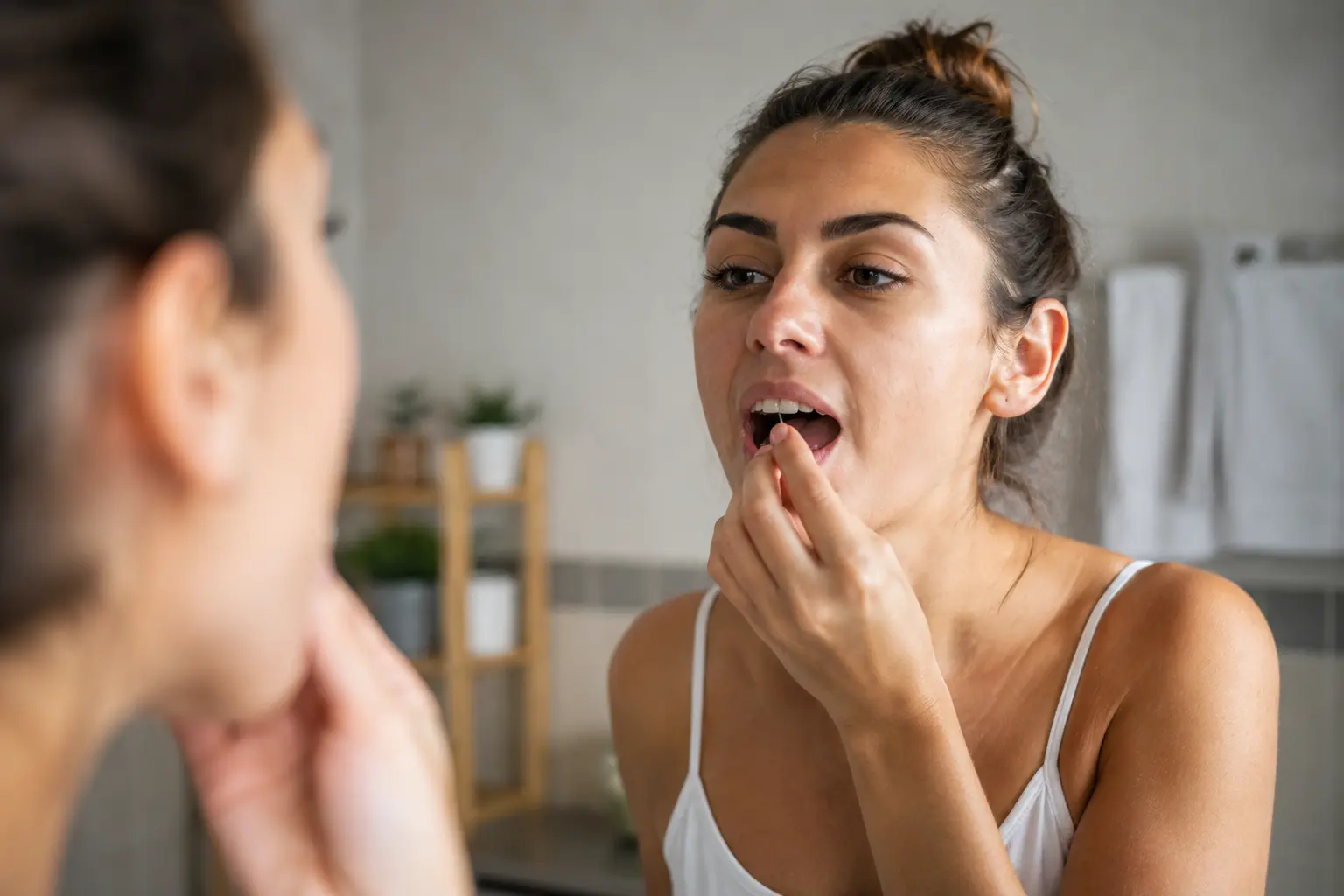
That metallic taste, the constant battle with bad breath, the feeling that something’s genuinely off with your mouth even after brushing – yeah, that’s your oral microbiome health screaming for attention, and you’re not alone in feeling completely lost about what to do.
The impact of diet on oral microbiome health
Think about your last week of eating. Pizza nights, energy drinks, maybe some late-night snacking on chips or candy. Now imagine those choices literally reshaping the bacterial landscape inside your mouth. Your food choices don’t just affect your waistline; they’re actively constructing or deconstructing your oral microbiome. When you consistently eat high-sugar and processed foods, you’re essentially rolling out a welcome mat for harmful bacteria that thrive on sugar. These bacteria produce acids that attack your enamel and trigger inflammation in your gums. Picture this: a friend of yours cuts out sugary drinks and processed snacks for just two weeks and notices their gums stop bleeding when they floss. That’s not coincidence; that’s their oral microbiome rebalancing. Meanwhile, incorporating fiber-rich fruits, vegetables, and whole grains feeds the beneficial bacteria in your mouth, creating an environment where good bacteria flourish. Staying hydrated keeps your saliva flowing, and saliva is basically your mouth’s natural defense system, washing away debris and neutralizing acids. The shift happens gradually but it’s real.
- Limit sugary and processed foods for a healthier oral microbiome.
- Incorporate fiber-rich fruits and vegetables to support good bacteria in your mouth.
- Stay hydrated to maintain saliva production, which helps in protecting your teeth.
The role of oral hygiene practices
You know that feeling when you skip brushing for a day and your teeth feel fuzzy and gross? That’s bacteria multiplying. Consistent oral hygiene isn’t boring or unnecessary; it’s the foundation of a balanced oral microbiome. Brushing twice daily removes the sticky biofilm where harmful bacteria hide. Flossing reaches the spaces between teeth where a toothbrush can’t go, and that’s where gum disease often starts. Many young adults skip flossing because it feels tedious, but then wonder why their gums bleed or feel tender. Here’s the thing: if you commit to a solid routine for two weeks, it becomes automatic. You brush in the morning before work or school, at night before bed, and maybe after meals if you can. Mouthwash adds an extra layer by reaching areas your brush and floss miss. The common mistake is thinking that one excellent brushing session can make up for days of neglect. Your oral microbiome needs consistency, not intensity. It’s like maintaining a garden; daily watering beats occasional flooding. When you stick with it, your mouth starts feeling cleaner naturally, your breath improves, and your dentist notices fewer issues at checkups.
💬 Ready to feel better in 2 minutes?choose where to begin:
The impact of stress on oral microbiome
Stress is sneaky. You’re stressed about exams, work deadlines, or relationship drama, and suddenly you’re grinding your teeth at night or noticing mouth sores that won’t heal. Here’s what’s happening: stress weakens your immune system, which normally keeps harmful bacteria in check. Your cortisol levels spike, inflammation increases throughout your body including your mouth, and your saliva production drops. That combination creates the perfect storm for oral infections, cold sores, or a flare-up of gum disease. A student you know was dealing with intense work pressure and developed painful canker sores that lasted weeks. Once they started a daily yoga practice and meditation routine, the sores cleared up and didn’t return. That’s not magic; that’s their immune system getting the support it needed. Exercise, even a 20-minute walk, reduces stress hormones and improves blood flow to your gums. Meditation or deep breathing calms your nervous system and can reduce teeth grinding. Sleep matters too; when you’re well-rested, your body can actually repair and maintain your oral tissues properly. The connection between your mental state and your mouth is real and often overlooked by young adults focused on other health aspects.
The importance of regular dental check-ups
You might think dental visits are only necessary when something hurts, but that’s like waiting for your car to break down before getting an oil change. Regular dental check-ups, ideally twice yearly, catch problems when they’re small and fixable. Your dentist can spot early signs of gum disease, cavities, or oral infections before you feel pain or notice symptoms. Professional cleanings remove tartar buildup that your toothbrush can’t touch, and this buildup is where bacteria colonies thrive. During these visits, dentists can assess your specific oral microbiome situation and offer personalized advice. Maybe you need a different toothbrush, a specific type of floss, or a recommendation to see a specialist. Many young adults skip dental visits because they’re busy or anxious about the experience, but delaying care often leads to more expensive and invasive treatments later. Think of it this way: spending an hour twice a year at the dentist prevents months of discomfort and dental work. Your dentist becomes your partner in understanding what your mouth specifically needs to thrive.
Maintaining a balanced oral microbiome requires a holistic approach that includes a healthy diet, good oral hygiene practices, stress management, and regular dental check-ups. By taking proactive steps to care for your oral health, you can promote a harmonious oral microbiome and reduce the risk of oral diseases.
Can I improve my oral microbiome through diet alone?
While diet plays a significant role in oral microbiome health, it is essential to combine it with proper oral hygiene practices, stress management, and regular dental check-ups for comprehensive care.
How often should I visit the dentist for optimal oral health?
It is recommended to visit the dentist at least twice a year for routine check-ups and cleanings to maintain optimal oral health and prevent dental problems.
Others also read:
Disclaimer: This article is for informational purposes only and is not a substitute for professional medical advice. Always consult a healthcare professional for personal guidance.
This article presents an experience-based perspective and has been reviewed by the GlobalHealthBeacon editorial team in 2026. It provides structured, evidence-based information to support informed health decisions.
