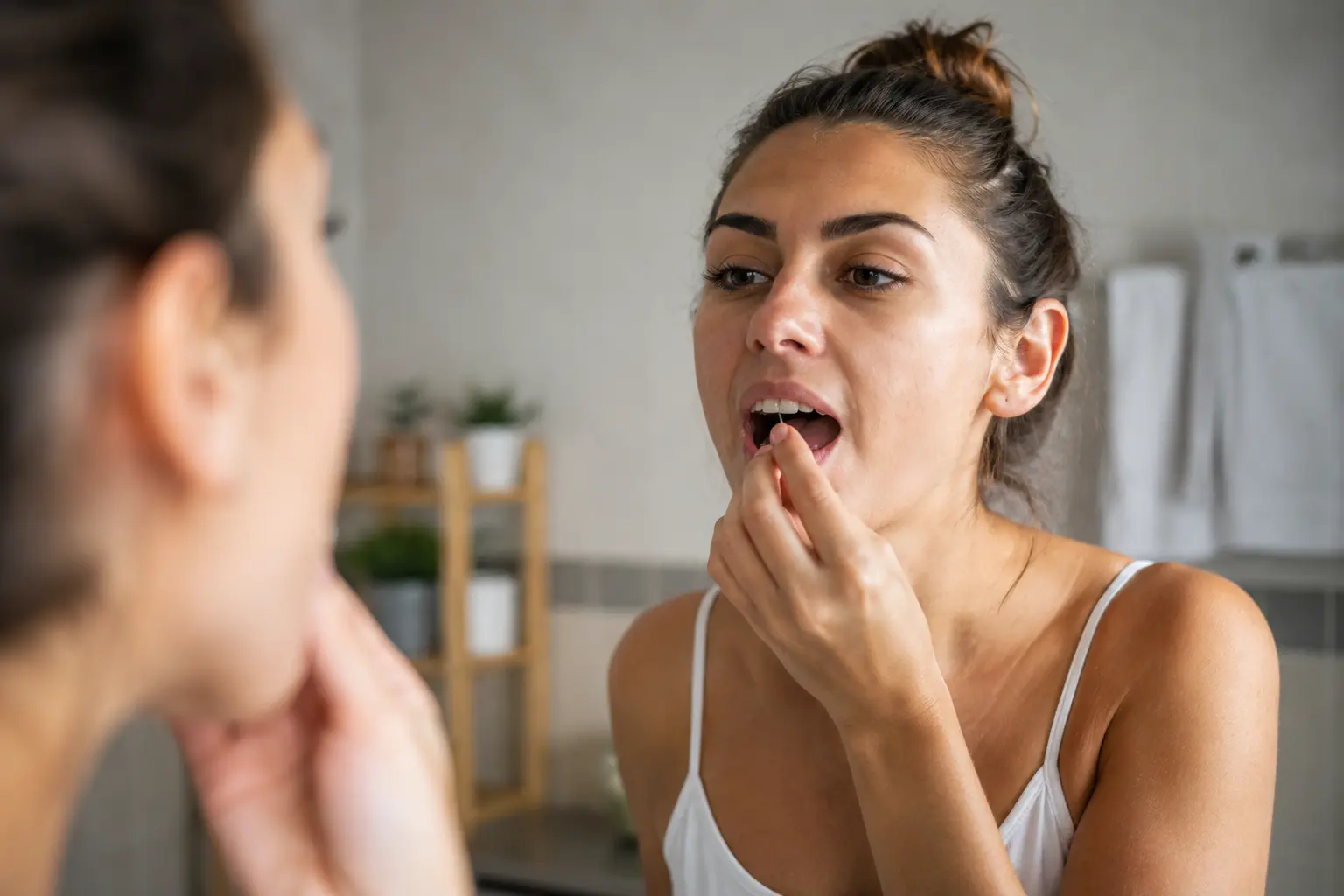
Your mouth might be silently sabotaging your health, and you have no idea what’s really living in there – but understanding your oral microbiome health could change everything.
Understanding the oral microbiome
Your mouth is not just a gateway to your digestive system; it’s an entire ecosystem teeming with life. The oral microbiome refers to the diverse community of microorganisms that inhabit your mouth, including bacteria, fungi, viruses, and archaea. Think of it like a miniature rainforest where thousands of different species coexist in a delicate balance. When this ecosystem is healthy, these microorganisms work together to protect your teeth, gums, and overall oral tissues. However, when the balance shifts, problems can emerge. For women specifically, understanding this microbial landscape becomes particularly important because hormonal changes throughout life can alter the composition and behavior of these microorganisms. Research shows that women experience distinct patterns in their oral microbiome during different life stages, from puberty through menopause, making this knowledge essential for long-term health management.
Factors influencing oral microbiome health
Your oral microbiome is not fixed; it’s constantly responding to your lifestyle choices and biological circumstances. Diet plays a starring role here. When you consume sugary foods and drinks, you’re essentially feeding harmful bacteria that produce acids and damage your teeth. Conversely, fibrous vegetables and fermented foods can support beneficial bacterial populations. Oral hygiene practices matter tremendously, but here’s the nuance: aggressive brushing or using harsh mouthwashes can actually disrupt your microbial balance rather than improve it. Genetics also influence which microorganisms naturally thrive in your mouth, meaning some women may be more prone to certain oral conditions than others. Age brings gradual shifts in microbial composition, and underlying health conditions like diabetes or autoimmune disorders can significantly alter your oral ecosystem. For women, hormonal fluctuations during menstrual cycles, pregnancy, and menopause create unique challenges. During pregnancy, for example, hormonal changes can increase the risk of gum inflammation because certain bacteria become more aggressive. Understanding these interconnected factors helps explain why your oral health might shift unexpectedly.
Tips for enhancing oral microbiome health
Enhancing your oral microbiome health requires a thoughtful, multi-pronged approach rather than a single magic solution. Start with oral hygiene, but do it intelligently. Brush twice daily with a soft-bristled toothbrush using gentle, circular motions rather than aggressive scrubbing, which can damage gums and disrupt beneficial bacteria. Floss daily to remove debris between teeth where harmful bacteria accumulate. Consider using a tongue scraper, as the tongue harbors significant microbial populations that influence overall oral health. Your diet deserves serious attention. Include probiotic-rich foods like yogurt, kefir, sauerkraut, and kimchi, which introduce beneficial bacteria that can colonize your mouth. Eat plenty of fiber from vegetables and whole grains, which feeds good bacteria. Limit sugary snacks and acidic beverages like soda and wine, which create an environment where harmful bacteria flourish. Stay hydrated throughout the day because saliva is your mouth’s natural defense system, containing antimicrobial compounds that keep pathogens in check. Avoid tobacco products entirely, as they devastate your oral microbiome and increase inflammation. Finally, manage stress through meditation or exercise, since chronic stress weakens your immune response and allows harmful bacteria to proliferate.
- Maintain good oral hygiene practices with gentle brushing and daily flossing
- Include probiotic foods in your diet to support beneficial bacteria
- Limit sugary and acidic food consumption to prevent harmful bacterial growth
🔬 Science-backed benefits in 2 minuteschoose where to begin:
The role of the oral microbiome in women’s health
The oral microbiome is not isolated from the rest of your body; it’s deeply connected to your overall health in ways science is only beginning to fully understand. Research increasingly suggests that the oral microbiome influences pregnancy outcomes, with certain bacterial imbalances linked to complications like preeclampsia and preterm birth. Women with poor oral health during pregnancy face higher risks, which is why prenatal dental care has become a standard recommendation. The oral microbiome also communicates with your endocrine system, potentially affecting hormonal balance and contributing to conditions like polycystic ovary syndrome (PCOS). Autoimmune diseases, including rheumatoid arthritis and lupus, show correlations with oral microbiome dysbiosis, where the balance of bacteria becomes disrupted. Some researchers believe that harmful bacteria in the mouth can trigger systemic inflammation that exacerbates autoimmune conditions. Additionally, emerging evidence suggests links between oral microbiome composition and mental health, with the gut-brain axis potentially influenced by oral microbial health. For women navigating hormonal transitions like menopause, a healthy oral microbiome may help moderate inflammation and support overall resilience during this significant life change.
Maintaining a balanced oral microbiome
Sustaining a healthy oral microbiome requires consistent, long-term commitment rather than sporadic efforts. Schedule regular dental check-ups every six months, or more frequently if you have specific risk factors. Your dentist can identify early signs of dysbiosis and recommend targeted interventions. Proper hydration is foundational because saliva production decreases with age and certain medications, compromising your mouth’s natural defenses. Aim to drink adequate water throughout the day and consider sugar-free lozenges if you experience dry mouth. Stress management deserves emphasis because chronic stress suppresses immune function and shifts your microbial composition toward harmful species. Incorporate practices like yoga, meditation, or simply spending time in nature. Sleep quality matters too, as poor sleep weakens immune responses and allows pathogenic bacteria to gain ground. Avoid tobacco products entirely, as smoking creates an inflammatory environment that disrupts microbial balance and increases disease risk. Consider limiting alcohol consumption, which can dry your mouth and alter bacterial populations. If you take antibiotics, discuss with your dentist how to support your oral microbiome recovery afterward, perhaps through increased probiotic intake.
The future of oral microbiome research
The field of oral microbiome science is experiencing rapid advancement, with new discoveries emerging regularly that could fundamentally reshape how we approach oral care. Researchers are developing personalized microbiome profiling, where your unique bacterial composition can be analyzed to predict disease risk and recommend tailored interventions. This precision medicine approach could eventually allow women to receive customized oral care protocols based on their individual microbiome signature. Scientists are also investigating specific bacterial strains that appear protective against disease, potentially leading to targeted probiotic therapies designed specifically for oral health. Studies are exploring the oral microbiome’s role in systemic conditions, uncovering connections to cardiovascular disease, diabetes, and neurological conditions that could revolutionize preventive medicine. Advanced imaging and sequencing technologies are revealing previously unknown microorganisms in the mouth, expanding our understanding of this complex ecosystem. For women specifically, research is increasingly focusing on how hormonal transitions uniquely affect oral microbiome composition and how this knowledge can inform better health strategies across the lifespan. Staying informed about emerging research helps you make proactive decisions about your oral health today.
Your oral microbiome health is far more influential than you might realize, affecting everything from pregnancy outcomes to hormonal balance and systemic inflammation. By understanding the microbial ecosystem in your mouth and making informed choices about diet, hygiene, stress management, and regular dental care, you can actively support this crucial system. The science is clear: nurturing your oral microbiome is an investment in your overall well-being.
How does the oral microbiome affect women’s hormonal balance?
The oral microbiome influences hormonal balance through multiple pathways. Certain oral bacteria produce metabolites that interact with your endocrine system, affecting estrogen and progesterone levels. Dysbiosis, or microbial imbalance, can trigger systemic inflammation that disrupts normal hormonal signaling. Additionally, the oral microbiome communicates with your gut microbiome through swallowed bacteria, creating a cascade of effects on hormone metabolism. Women experiencing hormonal imbalances may benefit from addressing their oral microbiome health as part of a comprehensive approach.
Can I improve my oral microbiome health through diet?
Yes, diet is one of the most powerful tools for supporting oral microbiome health. Consuming foods rich in probiotics like yogurt, kefir, and fermented vegetables introduces beneficial bacteria. Eating plenty of fiber from vegetables, fruits, and whole grains feeds good bacteria and promotes their growth. Conversely, limiting sugary foods, refined carbohydrates, and acidic beverages removes fuel for harmful bacteria. Drinking adequate water supports saliva production, which contains natural antimicrobial compounds. Dietary changes typically show measurable improvements in oral microbiome composition within weeks.
Others also read:
Disclaimer: This article is for informational purposes only and is not a substitute for professional medical advice. Always consult a healthcare professional for personal guidance.
This article has been prepared and reviewed by the GlobalHealthBeacon editorial team and is based on current medical research and published scientific literature available in 2026. It provides structured, evidence-based information to support informed health decisions.
