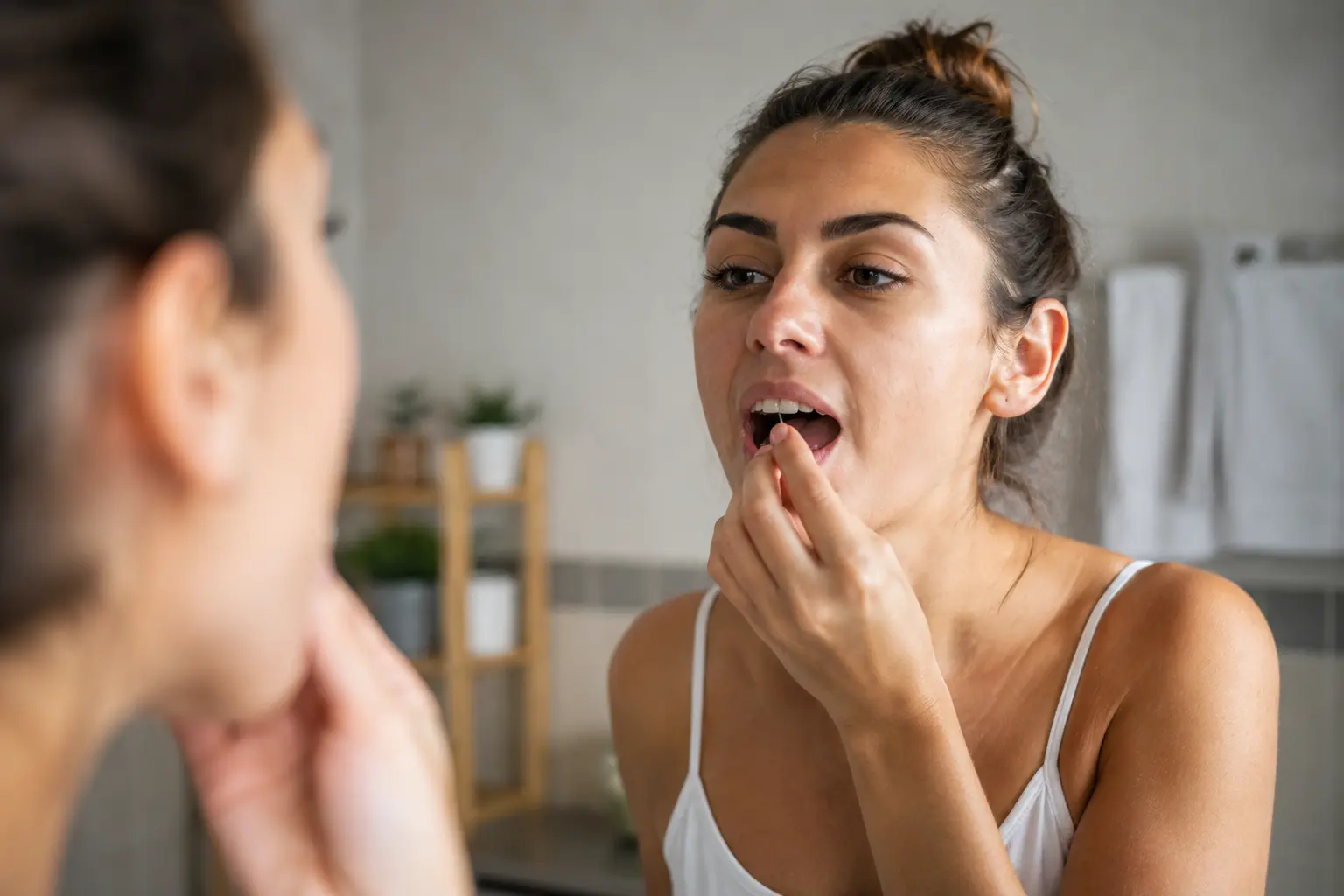
Your mouth is silently hosting trillions of microorganisms that could be quietly sabotaging your health, and most seniors have no idea what their oral microbiome health actually means or why it matters.
Understanding oral microbiome health
Your mouth is far more than just teeth and gums. It’s a thriving ecosystem where billions of bacteria, fungi, and viruses coexist in what scientists call the oral microbiome. Think of it like a miniature rainforest with its own balance and rules. When this community is diverse and well-balanced, these microorganisms work together to protect your teeth, support digestion by breaking down food particles, defend against harmful pathogens, and even help regulate your immune system’s response. For seniors, understanding this microscopic world becomes increasingly important because the composition of your oral microbiome naturally shifts with age. A healthy oral microbiome maintains what researchers call ‘microbial diversity,’ meaning many different species coexist peacefully. When this diversity breaks down, harmful bacteria can take over, leading to inflammation and disease. The science shows that maintaining this balance isn’t just about fresh breath or white teeth. It’s about keeping an entire biological system functioning the way it evolved to work.
Factors affecting oral microbiome health
Your oral microbiome doesn’t exist in isolation. It responds constantly to what you eat, how you clean your teeth, what medications you take, and your overall health status. Consider a typical scenario: a senior who switches to a diet heavy in processed foods and sugary snacks inadvertently feeds the harmful bacteria in their mouth while starving the beneficial ones. Meanwhile, antibiotics prescribed for a respiratory infection can wipe out beneficial oral bacteria along with the infection, leaving a vacant ecological niche that harmful species rush to fill. Oral hygiene practices matter significantly. Regular brushing and flossing physically remove bacterial biofilms before they calcify into tartar, but the type of toothpaste and mouthwash you use also influences which species thrive. Medications like antihistamines and blood pressure drugs reduce saliva flow, and since saliva is your mouth’s natural defense system, this creates conditions where pathogenic bacteria flourish. A diet rich in fruits, vegetables, and whole grains provides fiber that feeds beneficial bacteria, while minimizing refined sugars eliminates the fuel that harmful bacteria prefer. Even stress and sleep quality influence your oral microbiome through immune system changes.
Tips to improve oral microbiome health
Improving your oral microbiome requires a multi-pronged approach that addresses hydration, nutrition, and lifestyle habits. Start with hydration: drinking adequate water throughout the day maintains saliva production, which is your mouth’s primary defense mechanism. Saliva contains antimicrobial compounds and helps wash away food debris and bacterial acids. A senior who drinks six to eight glasses of water daily typically maintains better saliva flow than someone who relies on coffee or tea alone. Next, consider your diet as a direct investment in your microbiome. Probiotic-rich foods like plain yogurt, kefir, sauerkraut, and kimchi introduce beneficial bacterial strains that can establish themselves in your oral cavity. Prebiotic foods like garlic, onions, and asparagus feed the good bacteria already living in your mouth, helping them outcompete harmful species. Avoiding smoking and excessive alcohol is equally critical because both substances create an acidic, inflammatory environment that disrupts microbial balance and damages the tissues that support your teeth. A 65-year-old who quits smoking often notices improved gum health within weeks as their oral microbiome begins to rebalance.
- Stay hydrated to promote saliva flow.
- Include probiotic-rich foods in your diet.
- Avoid smoking and excessive alcohol consumption.
🔬 Science-backed benefits in 2 minuteschoose where to begin:
Maintaining oral health in seniors
Aging changes your oral microbiome in predictable ways. The diversity of bacterial species often decreases, certain pathogenic bacteria become more dominant, and your immune system’s ability to control inflammation in your mouth naturally declines. These shifts explain why gum disease and tooth decay become more common in older adults, even among those who maintained excellent oral health their entire lives. A 70-year-old with lifelong good brushing habits might suddenly develop gum problems because the underlying microbial landscape has shifted. Regular dental check-ups become increasingly valuable because your dentist can detect early signs of microbiome imbalance before they cause irreversible damage. Professional cleanings remove tartar buildup that harbors harmful bacteria and can’t be removed by home brushing alone. Beyond professional care, consistent oral hygiene practices remain your first line of defense. Gentle brushing twice daily with a soft-bristled toothbrush, daily flossing, and possibly using an antimicrobial rinse recommended by your dentist all help maintain microbial balance. A healthy lifestyle that includes adequate sleep, stress management, and regular physical activity supports your immune system’s ability to keep your oral microbiome in check.
The role of oral microbiome in overall health
The connection between your mouth and the rest of your body runs deeper than most seniors realize. Research consistently demonstrates that imbalances in the oral microbiome correlate with cardiovascular disease, diabetes, respiratory infections, and even cognitive decline in older adults. Here’s how it works: when harmful bacteria dominate your oral microbiome, they produce inflammatory compounds that enter your bloodstream through inflamed gum tissues. These compounds trigger systemic inflammation that stiffens arteries, disrupts blood sugar regulation, and weakens immune defenses throughout your body. A senior with untreated gum disease has measurably higher levels of inflammatory markers in their blood compared to someone with a healthy oral microbiome. The bacteria themselves can also travel through your bloodstream, potentially seeding infections in heart valves or other tissues. Studies show that people with severe gum disease have nearly double the risk of heart attack compared to those with healthy gums. This isn’t meant to frighten you but to illustrate why maintaining oral microbiome health is genuinely preventive medicine. By prioritizing your mouth, you’re directly protecting your cardiovascular system, metabolic health, and immune function.
Future directions in oral microbiome research
The field of oral microbiome science is advancing rapidly, and the implications for seniors are substantial. Researchers are moving beyond simply identifying which bacteria are present to understanding exactly what each species does and how they interact. Next-generation sequencing technology now allows scientists to create detailed maps of individual microbiomes, revealing patterns that correlate with disease risk. Within the next decade, personalized oral health interventions tailored to your specific microbiome profile may become standard care. Instead of a one-size-fits-all approach, your dentist might recommend targeted probiotics, specific dietary changes, or customized antimicrobial treatments based on your unique bacterial composition. Some research suggests that certain probiotic strains can actually outcompete harmful bacteria when introduced strategically. Clinical trials are underway testing whether specific bacterial supplements can prevent gum disease in high-risk populations. For seniors, this emerging science offers hope that age-related oral health decline might become preventable or reversible through microbiome-targeted strategies rather than just treating symptoms after damage occurs.
Understanding your oral microbiome health transforms how you approach aging. It’s not just about keeping your teeth clean or your breath fresh. Your mouth hosts a complex biological community that directly influences your cardiovascular health, immune function, and overall quality of life. By recognizing the factors that disrupt this balance and taking deliberate steps to maintain it through hydration, nutrition, oral hygiene, and lifestyle choices, you’re investing in both your oral and systemic health. The science is clear: seniors who prioritize their oral microbiome enjoy better health outcomes and greater independence as they age.
How can I improve my oral microbiome health naturally?
You can improve your oral microbiome health naturally by consuming a balanced diet rich in fruits and vegetables while minimizing refined sugars, practicing consistent oral hygiene with gentle brushing and daily flossing, staying well-hydrated to maintain saliva flow, including probiotic-rich foods like yogurt and fermented vegetables, and avoiding smoking and excessive alcohol. These changes work together to create an environment where beneficial bacteria thrive and harmful species cannot dominate.
Why is oral microbiome health important for seniors?
Maintaining oral microbiome health is essential for seniors because age naturally shifts the composition of your oral bacteria toward more harmful species while your immune system’s ability to control inflammation declines. An imbalanced oral microbiome increases your risk of gum disease, tooth loss, and systemic conditions like cardiovascular disease and diabetes. By prioritizing oral microbiome health, you protect both your mouth and your overall well-being.
Others also read:
Disclaimer: This article is for informational purposes only and is not a substitute for professional medical advice. Always consult a healthcare professional for personal guidance.
This article has been prepared and reviewed by the GlobalHealthBeacon editorial team and is based on current medical research and published scientific literature available in 2026. It provides structured, evidence-based information to support informed health decisions.
