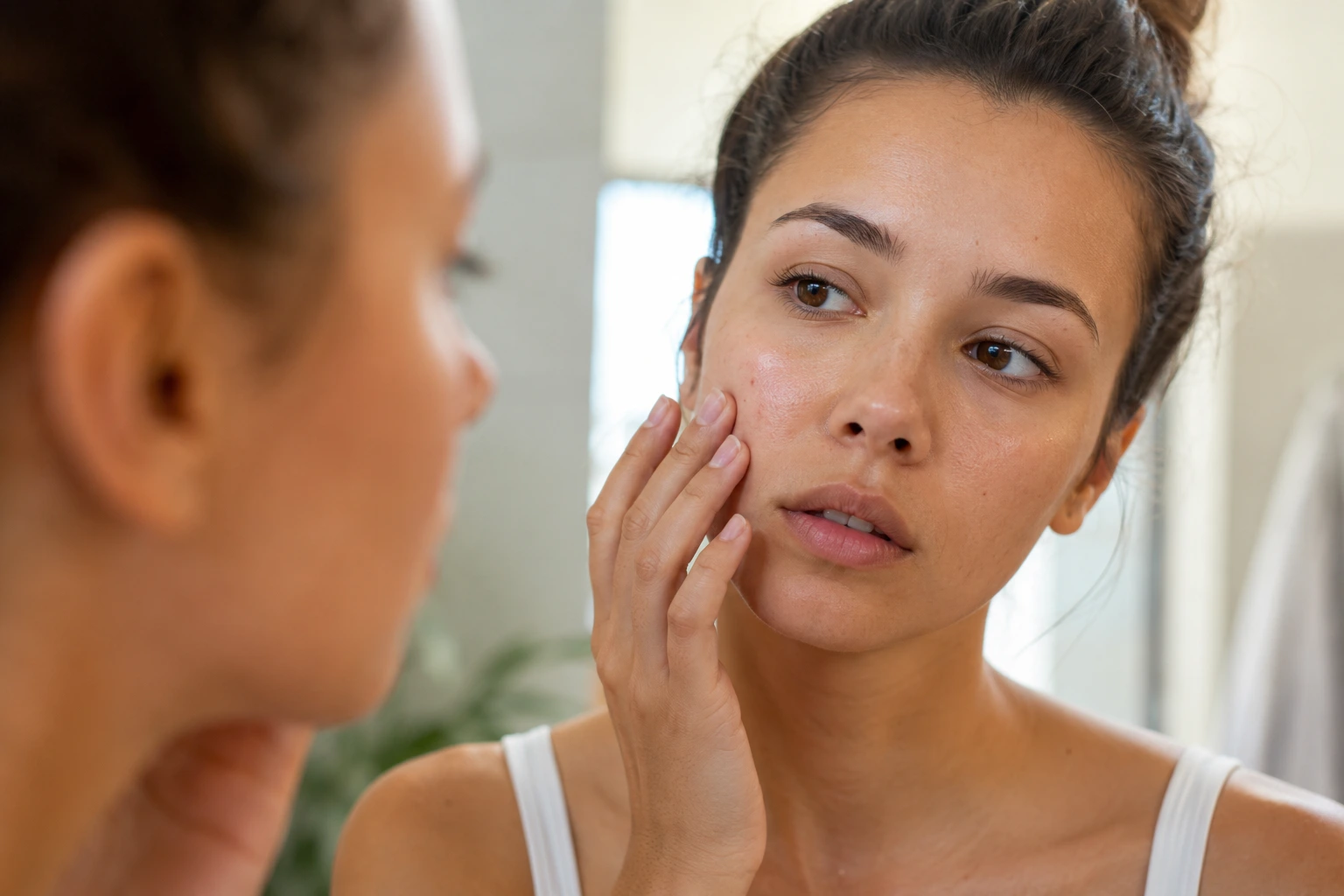
Your skin feels tight, looks red, stings when you apply anything, and you’re honestly exhausted from trying random products that make it worse, so let’s talk about what’s actually happening with your skin barrier repair routine and how to finally fix it.
Understanding your skin barrier
Your skin barrier is basically your body’s first line of defense, a sophisticated shield made up of lipids and proteins that keeps moisture locked in and irritants locked out. When it’s healthy, you barely notice it. But when it breaks down, everything changes. Maybe you’ve experienced that moment when you applied your usual moisturizer and it stung like crazy, or noticed your skin getting progressively drier despite using more products. That’s your barrier sending distress signals. Think of it like a brick wall where the mortar is crumbling. The bricks are your skin cells, but without that protective mortar (ceramides, cholesterol, and fatty acids), everything falls apart. Young adults often damage their barriers through aggressive routines, over-exfoliating, or using too many active ingredients at once. Understanding this foundation is crucial because you can’t fix what you don’t understand.
- Hydrate from within by drinking plenty of water.
- Choose gentle, fragrance-free skincare products.
- Avoid over-exfoliating to prevent further damage.
Gentle cleansing for protection
Here’s what probably happened: you started using a foaming cleanser because it felt effective, stripping away oil and grime. It felt clean, right? But that squeaky-clean feeling is actually a red flag. Your skin was losing its natural protective oils with every wash. Harsh cleansers work like a power washer on your face, removing not just dirt but the essential lipids that hold your barrier together. Switch to a creamy, milk-based, or micellar cleanser that removes makeup and impurities without that aggressive stripping sensation. Imagine it more like a gentle rinse than a deep clean. Many young adults find success with cleansers containing a low pH, closer to your skin’s natural acidity, which respects rather than disrupts your barrier. Morning and night, you’re giving your skin a chance to recover instead of assault it repeatedly.
💬 Ready to feel better in 2 minutes?choose where to begin:
Moisturize to lock in hydration
After cleansing, this is where the real repair happens. A good moisturizer isn’t just about feeling nice on your skin; it’s about actively rebuilding what’s been damaged. Look for ceramides, which are literally the same lipids your barrier is missing. Hyaluronic acid pulls water into your skin and holds it there, creating plumpness and resilience. Niacinamide strengthens your barrier function while reducing inflammation that makes your skin feel angry and reactive. Many young adults make the mistake of skipping moisturizer because they think it’ll make them greasy, but a damaged barrier actually needs hydration more than healthy skin does. Apply it to damp skin to seal in water, then maybe add a lightweight facial oil on top if your skin is really compromised. Within two to three weeks of consistent moisturizing, you’ll notice your skin feels less reactive and more comfortable.
Sun protection for barrier health
UV damage is invisible, which makes it dangerous. When your barrier is already compromised, sun exposure accelerates the damage, deepening irritation and slowing healing. A broad-spectrum SPF 30 or higher becomes non-negotiable, not just a summer thing. Young adults often skip sunscreen indoors or on cloudy days, thinking they’re safe, but UV rays penetrate clouds and reflect off windows. Think of sunscreen as the final protective layer in your barrier repair routine, preventing new damage while your skin heals from existing damage. Mineral sunscreens with zinc oxide or titanium dioxide tend to be gentler on sensitive, barrier-compromised skin than chemical formulas. Apply it generously and reapply every two hours if you’re outdoors. This simple step can mean the difference between slow recovery and frustrating setbacks.
Repairing your skin barrier involves understanding its role, using gentle skincare products, hydrating effectively, and protecting from UV damage. By taking these steps, you can restore your skin’s natural balance and promote a healthy, radiant complexion.
Can repairing the skin barrier improve skin conditions?
Repairing the skin barrier can help improve various skin conditions like eczema, dryness, and sensitivity. A strong barrier ensures better protection and hydration for healthier skin.
How long does it take to repair a damaged skin barrier?
The time to repair a damaged skin barrier varies depending on the extent of the damage and individual skin factors. Consistent use of gentle, barrier-friendly products can help expedite the repair process.
Others also read:
Disclaimer: This article is for informational purposes only and is not a substitute for professional medical advice. Always consult a healthcare professional for personal guidance.
This article presents an experience-based perspective and has been reviewed by the GlobalHealthBeacon editorial team in 2026. It provides structured, evidence-based information to support informed health decisions.
