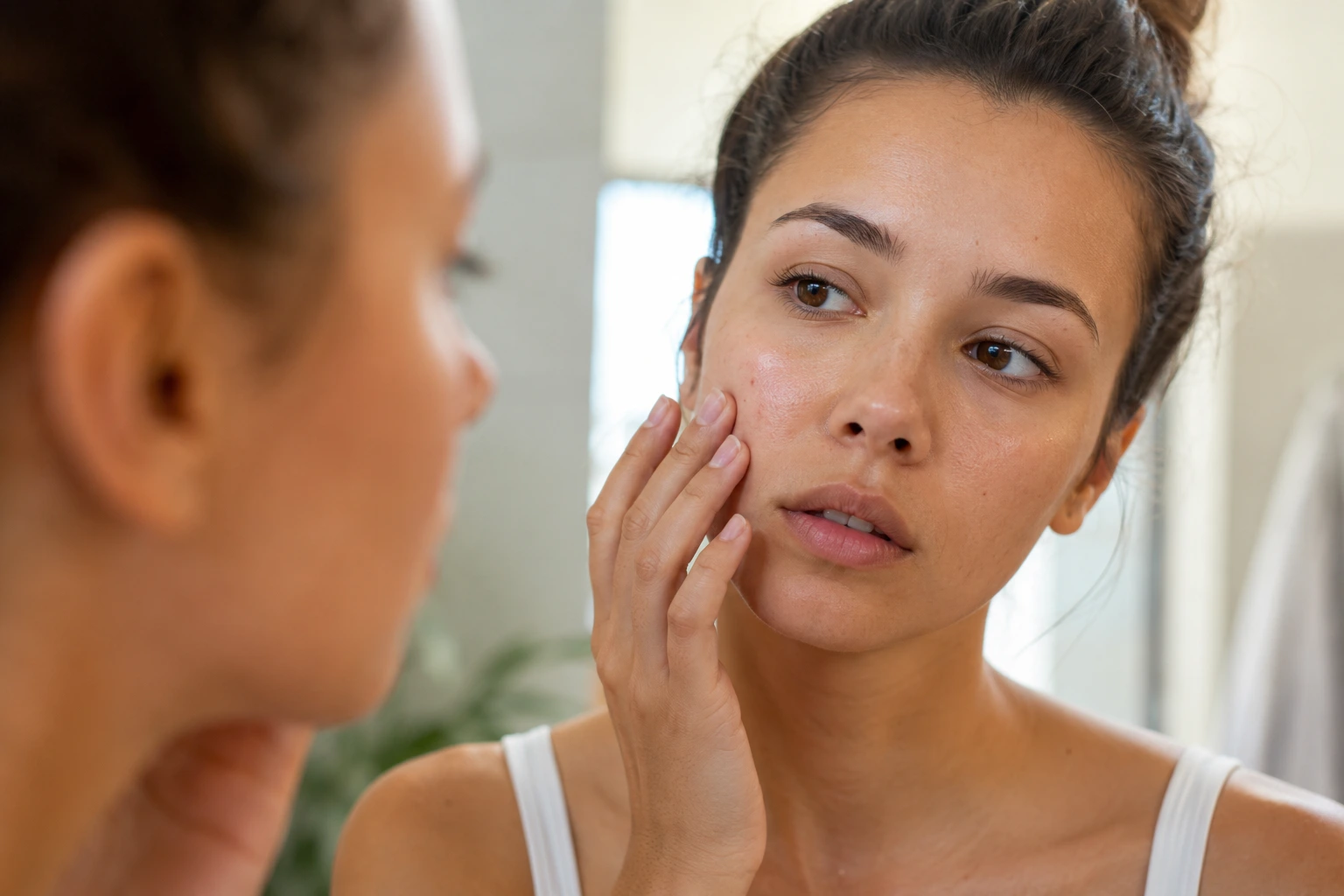
Your skin feels tight, reactive, and constantly irritated no matter what you slather on it, and honestly, you’re tired of throwing money at products that make it worse instead of better, so let’s talk about building an actual skin barrier repair routine that actually works.
Understanding skin barrier repair
Your skin barrier is essentially a protective wall made of lipids and dead skin cells that keeps moisture in and irritants out. When it’s compromised, you get that tight, uncomfortable feeling, increased sensitivity, and a cycle of inflammation that’s hard to break. Think of it like this: if your barrier is damaged, even gentle products can sting, and your skin becomes reactive to things that never bothered you before. Young adults often damage their barrier through aggressive cleansing, over-exfoliating, or using too many active ingredients at once. The barrier takes time to rebuild, typically a few weeks to a couple of months depending on how damaged it is. During this repair phase, your job is to stop doing harm and start doing the basics really well. This means stripping back your routine to essentials and being patient while your skin heals itself.
- Choose gentle cleansers that do not strip the skin of its natural oils.
- Incorporate ceramides and fatty acids into your skincare routine to replenish and fortify the skin barrier.
- Avoid over-exfoliating as it can damage the skin barrier and lead to irritation.
Essential ingredients for skin barrier repair
Not all ingredients are created equal when it comes to barrier repair. Ceramides are non-negotiable because they’re literally part of your skin’s natural structure, so using them topically fills in the gaps where your barrier is weak. Hyaluronic acid acts like a sponge, drawing moisture into your skin and keeping it plump and resilient. Niacinamide is a workhorse that reduces inflammation, strengthens the barrier, and actually helps regulate oil production, making it useful whether your skin is dry or oily. Squalane mimics your skin’s natural oils and absorbs quickly without leaving a greasy residue. Centella asiatica and panthenol are also underrated heroes that soothe irritation and support healing. When you’re shopping, look for products that combine several of these ingredients rather than relying on one magic bullet. A good moisturizer for barrier repair should list ceramides, hyaluronic acid, or squalane in the first five ingredients. Avoid products with fragrance, essential oils, or alcohol during this repair phase, as these can trigger sensitivity.
📘 Fix your day in under 2 minuteschoose where to begin:
Morning skincare routine for skin barrier repair
Your morning routine should be minimal and focused on protection. Start by rinsing your face with lukewarm water or using a gentle, creamy cleanser if you feel you need to cleanse. Skip actives like vitamin C, retinol, or acids in the morning while your barrier is healing. Apply a hydrating serum or essence that contains hyaluronic acid and ceramides, then follow with a lightweight moisturizer that seals everything in. If you’re going outside, sunscreen is non-negotiable because UV damage further compromises your barrier. Choose a mineral or hybrid sunscreen that won’t irritate your sensitive skin. The entire routine should take five minutes and feel calming, not complicated. For example, if your skin is reactive and tight, you might use a hydrating toner, a serum with ceramides, and a moisturizer with niacinamide, finishing with SPF 30. This simple sequence gives your skin what it needs without overwhelming it.
Evening skincare routine for skin barrier repair
Your evening routine is where repair happens because your skin is less exposed to environmental stressors and your body’s natural healing processes are more active at night. Start with a gentle cleanser, preferably a cream or milk cleanser that removes the day’s grime without stripping. Pat your skin dry gently, then apply a hydrating essence or toner while your skin is still slightly damp to lock in moisture. Follow with a nourishing serum containing ceramides, squalane, or centella asiatica. Finish with a richer moisturizer or facial oil that creates an occlusive layer to seal in hydration overnight. If your barrier is severely damaged, you can apply a heavier cream or even a thin layer of pure squalane or jojoba oil under your moisturizer for extra support. For instance, a typical evening routine might be: gentle cleanser, hydrating toner, ceramide serum, and a thick moisturizer. This allows your skin to repair itself while you sleep without any harsh treatments or active ingredients interfering.
Additional tips for skin barrier repair
Beyond your skincare routine, several lifestyle factors impact barrier health. Hydration from within matters, so drink enough water daily, though there’s no magic number. Heat and humidity also affect your barrier, so be mindful of hot showers, which strip oils from your skin. Instead, use lukewarm water and keep showers brief. Your diet plays a role too, particularly foods rich in omega-3 fatty acids like salmon, walnuts, and flaxseeds, which support skin health from the inside. Sleep deprivation compromises your barrier’s ability to repair, so prioritize consistent sleep. Stress triggers inflammation and weakens your barrier, so managing stress through exercise, meditation, or whatever works for you is genuinely important. Avoid touching your face throughout the day, as this introduces bacteria and irritants. If you use makeup, choose non-comedogenic, fragrance-free formulas and remove it gently every evening. Finally, be patient with the process. Your barrier didn’t get damaged overnight, and it won’t repair overnight either.
Effective skin barrier repair involves using gentle products, essential ingredients, and establishing a consistent skincare routine to strengthen and maintain healthy skin over time.
How long does it take to see results with a skin barrier repair routine?
Results vary depending on individual skin concerns and adherence to the skincare regimen. Generally, improvements in skin barrier function can be noticed within a few weeks of consistent use.
Can everyone benefit from a skin barrier repair routine?
Yes, maintaining a healthy skin barrier is essential for everyone, regardless of age or skin type. A proper skin barrier repair routine can help improve skin health and overall appearance.
Others also read:
Disclaimer: This article is for informational purposes only and is not a substitute for professional medical advice. Always consult a healthcare professional for personal guidance.
This guide has been prepared and reviewed by the GlobalHealthBeacon editorial team and reflects current medical research as of 2026. It provides structured, evidence-based information to support informed health decisions.
