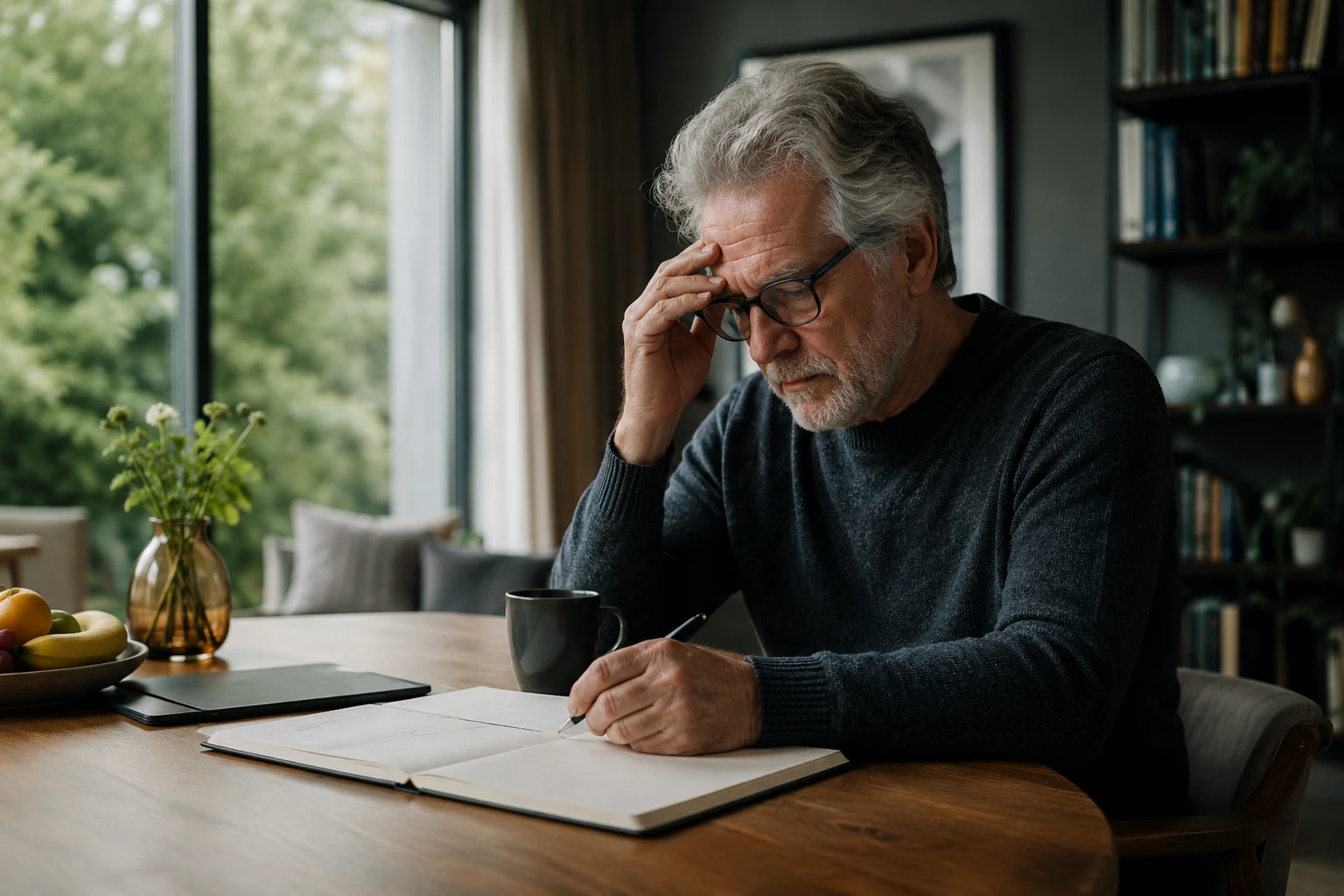
You walk into a room and forget why you’re there, struggle to recall your colleague’s name mid-conversation, or lose track of what you were reading after two paragraphs, and suddenly cognitive reserve explained hits different because you realize your brain needs actual support.
Understanding cognitive reserve
Cognitive reserve is essentially your brain’s backup system, a cushion that keeps your mind functioning smoothly even when age, stress, or life’s demands start wearing it down. Think of it like a financial savings account, but for your mental capacity. When you have strong cognitive reserve, your brain can compensate for damage or natural decline by rerouting information through alternative neural pathways. This happens because you’ve spent years building mental strength through diverse experiences and challenges. For women especially, understanding this concept is empowering because it means cognitive decline isn’t inevitable. Building cognitive reserve involves deliberately engaging in activities that push your brain to work harder, whether that’s learning a new language at fifty, diving into a challenging book club discussion, or mastering that spreadsheet software at work. The earlier you start building these reserves, the more protection you create for your future self.
- Engage in lifelong learning to stimulate your brain
- Stay socially connected to boost cognitive function
- Maintain a physically active lifestyle to support brain health
Lifestyle factors that influence cognitive reserve
Your life choices directly shape how much cognitive reserve you build over time, and for many women, this realization comes later than it should. Education plays a foundational role, but it doesn’t stop at formal schooling. A woman who pursued a degree in engineering, then switched careers to nonprofit work, then took up pottery classes in her fifties is actively building cognitive reserve with each transition. Occupation matters too, especially mentally demanding work that requires problem-solving, creativity, or constant learning. Social engagement is perhaps the most underestimated factor, yet research shows that women who maintain rich friendships, participate in community groups, or volunteer regularly develop stronger cognitive reserves. Leisure activities count equally, whether you’re learning to play guitar, joining a book club, or taking dance classes. The key is variety and challenge. A woman who only watches television isn’t building reserve, but one who alternates between reading, socializing, learning new skills, and physical activity is creating multiple layers of protection for her brain’s future.
💬 Ready to feel better in 2 minutes?choose where to begin:
Challenges in building cognitive reserve
The reality for many women is that building cognitive reserve feels like one more thing on an already overwhelming to-do list. You’re managing work deadlines, family responsibilities, aging parents, and maybe caring for children or grandchildren, and suddenly someone tells you that you need to learn Spanish, join a book club, and exercise regularly. The cognitive overload is real. Women often experience what researchers call the mental load, where you’re not just doing tasks but also managing the invisible work of planning, remembering, and coordinating everything. This constant mental taxation actually depletes cognitive reserve rather than building it. Stress hormones like cortisol can damage the hippocampus, the brain region crucial for memory formation. Many women find themselves in a paradox: they need to build cognitive reserve, but their current lifestyle is actively preventing it. The challenge isn’t lack of willingness, it’s lack of space, time, and permission to prioritize brain-building activities. Recognizing this barrier is the first step toward finding realistic solutions that fit your actual life, not an imaginary perfect version of it.
Empowering women to boost cognitive reserve
Real empowerment starts with rejecting the idea that you need to overhaul your entire life to build cognitive reserve. Instead, think about strategic additions and substitutions. If you’re already commuting, could you listen to educational podcasts or audiobooks instead of the radio? If you’re already exercising, could you add a social component by joining a walking group instead of going solo? If you’re already cooking dinner, could you experiment with cuisines from cultures you’ve never explored? These aren’t additional tasks, they’re intentional tweaks to activities you’re already doing. Women also benefit from giving themselves permission to prioritize cognitive health as seriously as physical health. This means saying no to some things to make space for brain-building activities. It means recognizing that taking a class, maintaining friendships, or engaging in hobbies isn’t selfish, it’s preventative medicine. Start small, choose activities that genuinely interest you rather than what you think you should do, and build momentum gradually. The goal isn’t perfection, it’s consistency and variety over time.
Building cognitive reserve is a lifelong journey that involves engaging in diverse, challenging activities, maintaining meaningful social connections, and making intentional lifestyle choices. Women can empower themselves by strategically integrating brain-building activities into their existing routines, prioritizing their cognitive health with the same dedication they give to other responsibilities, and recognizing that protecting their brain’s future is not selfish but essential.
How can women enhance their cognitive reserve?
Women can enhance their cognitive reserve by engaging in lifelong learning through courses or new skills, maintaining active social connections with friends and community, adopting a physically active lifestyle, managing stress effectively, and pursuing hobbies that challenge the brain. The key is consistency and variety rather than perfection or overwhelming yourself with too many changes at once.
What are some practical ways to build cognitive reserve in daily life?
Practical ways include listening to educational content during commutes, joining social groups or clubs, learning new skills through online courses or classes, reading challenging material, engaging in strategic games or puzzles, volunteering, exploring new cuisines or cultures, maintaining close relationships, exercising regularly, and pursuing creative hobbies. The most effective approach integrates these activities into your existing routine rather than adding entirely new obligations.
Others also read:
Disclaimer: This article is for informational purposes only and is not a substitute for professional medical advice. Always consult a healthcare professional for personal guidance.
This article presents an experience-based perspective and has been reviewed by the GlobalHealthBeacon editorial team in 2026. It provides structured, evidence-based information to support informed health decisions.
