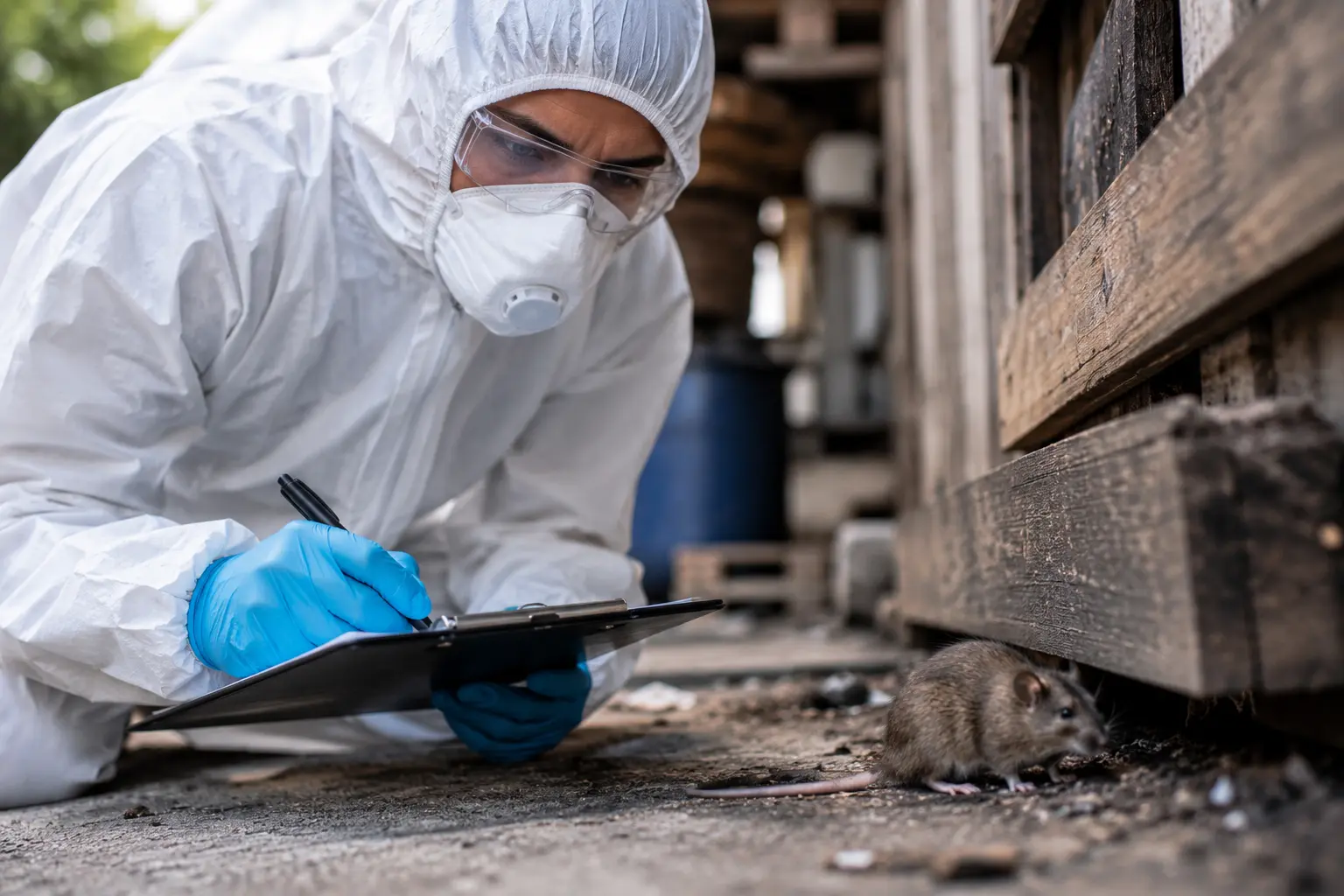
Finding rodent droppings in your home or noticing strange scratching sounds at night is genuinely unsettling, and the real danger behind hantavirus and rodents is something every woman needs to understand right now.
Recognizing the threat: hantavirus and rodents
Hantavirus is a serious and potentially life-threatening illness transmitted primarily through contact with infected rodents, particularly deer mice. The virus spreads when you inhale particles from contaminated rodent urine, droppings, or saliva that become airborne. Picture this scenario: you open a storage closet you haven’t used in months, and there’s evidence of rodent activity. If you disturb those droppings while cleaning without proper protection, you’re at risk. The infection doesn’t happen immediately, but symptoms typically emerge one to eight weeks after exposure. Women living in rural areas, those with basements or attics, or anyone dealing with rodent problems in their home should take this seriously. Understanding how the virus spreads is your first line of defense. Rodents often nest in dark, undisturbed spaces like crawl spaces, wall cavities, and storage areas. They leave telltale signs: small dark droppings about the size of a grain of rice, gnaw marks on food packaging or wooden structures, and a distinctive musky odor. Recognizing these early warning signs means you can take action before exposure becomes likely.
- Learn about the common signs of rodent infestation, such as droppings or gnaw marks.
- Avoid direct contact with rodents or their droppings to minimize the risk of exposure.
- Properly ventilate enclosed spaces to prevent rodent urine and feces from becoming airborne.
Guarding against infection: practical tips for women
Women face unique considerations when it comes to hantavirus protection, especially those who are pregnant or planning pregnancy. Pregnant women exposed to hantavirus face increased risks of severe complications, making prevention absolutely critical during these life stages. Start with meticulous hand hygiene: wash your hands thoroughly with soap and warm water for at least twenty seconds after handling any potentially contaminated materials, before eating, and after being in spaces where rodents may have been present. Disinfect surfaces regularly using a bleach solution (one part bleach to nine parts water) on areas where rodents may have traveled. If you find rodent droppings, never vacuum or sweep them dry, as this aerosolizes particles. Instead, spray the area with disinfectant, let it sit for five minutes, then carefully wipe with paper towels. Wear disposable gloves and consider wearing a mask rated N95 or higher during cleanup. If you experience flu-like symptoms such as fever, muscle aches, fatigue, or respiratory issues after potential rodent exposure, seek medical attention immediately and inform your doctor about the exposure. Early diagnosis and treatment can make a significant difference in outcomes.
📘 Fix your day in under 2 minuteschoose where to begin:
Maintaining a rodent-free environment
Creating a rodent-resistant home requires a multi-layered approach that addresses both entry points and attractants. Start by sealing cracks and gaps in your foundation, walls, and around pipes using steel wool, caulk, or hardware cloth. Rodents can squeeze through openings as small as a dime, so be thorough. Store all food, including pet food, in airtight glass or metal containers rather than cardboard boxes that rodents can easily gnaw through. Remove clutter from your living spaces, basement, and storage areas, as piles of boxes, papers, or fabric provide ideal nesting material and hiding spots. Trim tree branches and vegetation away from your home’s exterior, as these create highways for rodents to access your roof and walls. Keep your kitchen clean by wiping down counters daily, storing dishes promptly, and taking out garbage regularly. In your bedroom and living areas, avoid eating in bed or leaving crumbs on floors. Maintain proper ventilation in basements and crawl spaces to reduce moisture, which attracts rodents. Check door seals and window screens regularly, replacing damaged ones immediately. These preventive steps significantly reduce the likelihood of infestation and the associated health risks.
Seeking professional help: when to call in experts
Knowing when to bring in pest control professionals is crucial for your safety and peace of mind. If you discover a rodent infestation in your living space, particularly evidence of droppings in bedrooms, kitchens, or food storage areas, professional intervention is warranted. Pest control experts have the training, equipment, and knowledge to safely handle contaminated areas and eliminate rodents without putting your health at risk. They can identify entry points you might miss, assess the extent of the infestation, and recommend targeted solutions. When you contact a professional, be honest about the scope of the problem and any health concerns in your household, especially if you’re pregnant or have young children. Ask about their methods: reputable companies use humane trapping and removal combined with exclusion techniques rather than relying solely on poison, which can create secondary hazards. Request that they provide documentation of the work completed and recommendations for preventing future infestations. Professional pest control typically costs between three hundred and eight hundred dollars depending on your location and infestation severity, but it’s an investment in your family’s health and safety.
Empowering yourself with knowledge
Taking control of your health means staying informed about hantavirus risks and understanding what you can actually do to protect yourself. Knowledge reduces anxiety and transforms worry into practical action. Educate yourself on the dangers posed by rodents and learn to recognize early signs of both infestation and infection. Understand that hantavirus is rare but serious, and that most exposures don’t result in infection if you take proper precautions. Share information with family members, roommates, and neighbors so everyone understands the importance of early detection and prevention. Keep a mental note of your exposure history: if you’ve had potential contact with rodents, inform your healthcare provider during routine visits. Stay updated on hantavirus information through reliable sources like the CDC website, which provides current data on cases and prevention strategies. By proactively safeguarding yourself and your loved ones through awareness, prevention, and prompt action when needed, you significantly reduce the likelihood of hantavirus infection and can face potential rodent problems with confidence rather than fear.
Understanding the risks associated with hantavirus from rodents is crucial for women. By recognizing the threat, implementing practical tips, and seeking expert help when necessary, women can protect themselves and their families from this serious illness.
Can hantavirus be transmitted through the air?
Yes, hantavirus can be transmitted through the air when rodent droppings or urine are disturbed and become aerosolized. It’s essential to avoid activities that may spread contaminated particles.
What are the typical symptoms of hantavirus infection?
Symptoms of hantavirus infection include fever, muscle aches, fatigue, and respiratory issues. Early recognition of these signs is crucial for prompt medical intervention.
Others also read:
Disclaimer: This article is for informational purposes only and is not a substitute for professional medical advice. Always consult a healthcare professional for personal guidance.
This guide has been prepared and reviewed by the GlobalHealthBeacon editorial team and reflects current medical research as of 2026. It provides structured, evidence-based information to support informed health decisions.
