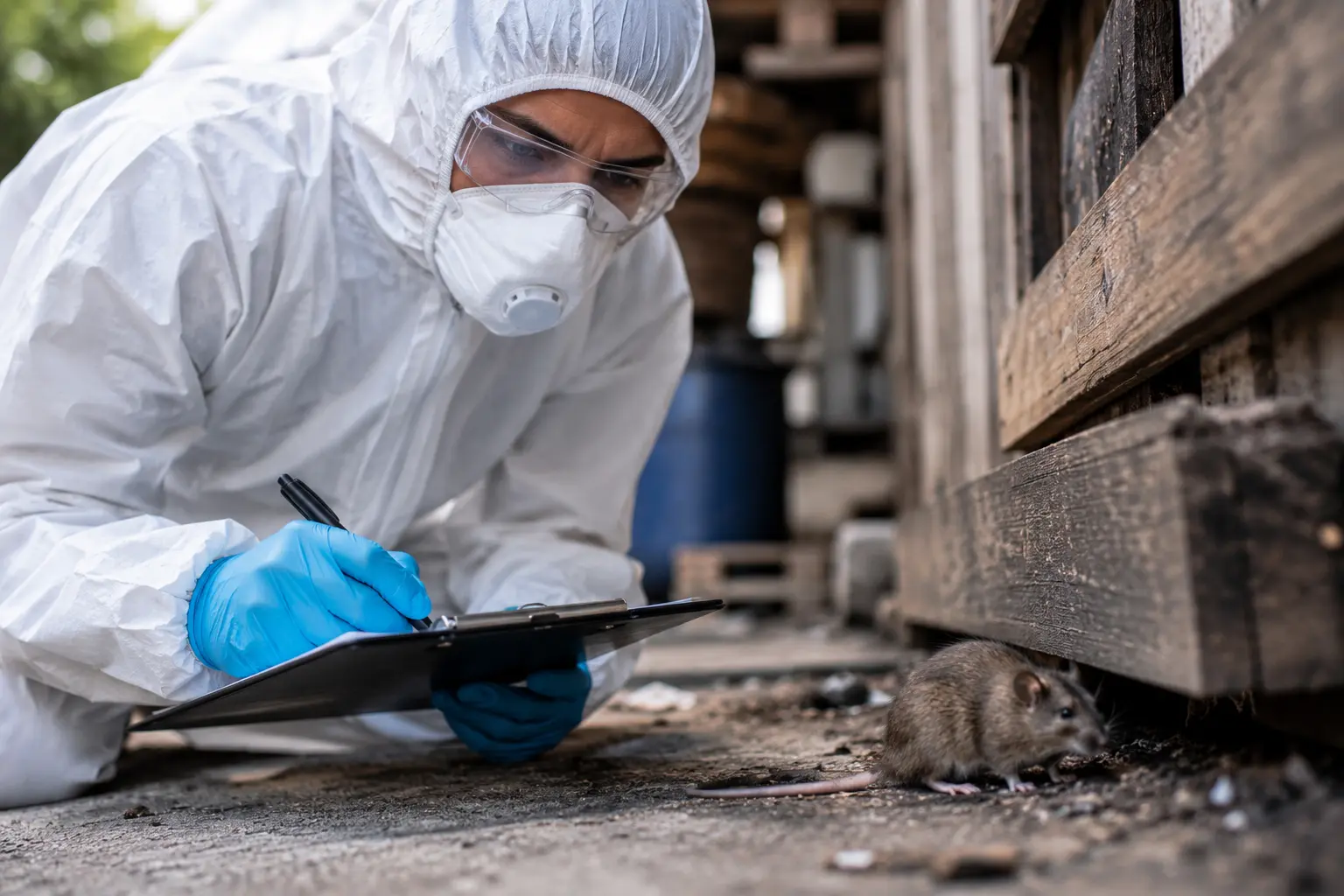
Finding rodent droppings in your home or garage is unsettling enough, but discovering they could carry hantavirus and rodents poses a real health threat that deserves your attention and action.
What is hantavirus and how is it linked to rodents?
Hantavirus represents a group of viruses carried primarily by rodents, with deer mice being the most common culprits in North America. These small, seemingly harmless creatures shed the virus through their urine, feces, and saliva, contaminating surfaces and air particles in enclosed spaces. When you encounter an infected rodent’s droppings or accidentally inhale aerosolized particles while cleaning a garage or attic, the virus can enter your respiratory system. The most serious form in humans is Hantavirus Pulmonary Syndrome, or HPS, which affects the lungs and can develop within weeks of exposure. Understanding this connection helps explain why finding evidence of rodent activity in your home requires immediate, careful attention rather than panic or dismissal.
Recognizing hantavirus symptoms
Early symptoms of HPS often mimic common illnesses, which is why many cases go unrecognized initially. You might experience fever, muscle aches, fatigue, and general malaise that feels like a stubborn flu. Within days, the infection progresses to respiratory symptoms: persistent coughing, shortness of breath, and chest discomfort that worsens with activity. One woman described it as feeling like her lungs were filling with fluid, making even simple tasks exhausting. The progression can be rapid and severe, potentially requiring hospitalization and oxygen support. Because these symptoms overlap with other conditions, mentioning any recent rodent exposure to your healthcare provider becomes crucial for accurate diagnosis. Early recognition of this pattern, especially after known rodent contact, can significantly impact treatment outcomes.
Protecting yourself from hantavirus
Protection starts with understanding that hantavirus thrives in environments where rodents feel welcome and safe. Seal cracks and gaps around your home’s foundation, windows, and door frames with steel wool and caulk, since rodents cannot chew through these materials. Store food in glass or metal containers rather than cardboard or plastic bags that rodents can easily penetrate. Remove clutter from basements, attics, and storage areas where rodents nest and breed. When you discover rodent activity, avoid sweeping or vacuuming droppings, which releases viral particles into the air. Instead, spray the area with disinfectant, let it sit for five minutes, then carefully wipe with paper towels. Wear gloves, an N95 mask, and eye protection during this process. Consider hiring professional pest control services if infestation is extensive, as they have proper equipment and training to handle contaminated areas safely.
- Seal all cracks, gaps, and openings in your home’s exterior and interior with steel wool and caulk to prevent rodent entry.
- Store food, pet food, and pantry items in rodent-proof glass or metal containers rather than cardboard or plastic.
- Remove clutter, woodpiles, and dense vegetation near your home that provide shelter and nesting sites for rodents.
- Never sweep or vacuum rodent droppings, as this releases virus particles into the air you breathe.
- Spray contaminated areas with disinfectant, wait five minutes, then carefully wipe with disposable paper towels while wearing gloves and an N95 mask.
- Eliminate food sources by securing garbage in sealed bins and removing fallen fruit or seeds from your yard.
🔬 Science-backed benefits in 2 minuteschoose where to begin:
Diagnosis and treatment options
Diagnosing hantavirus involves blood tests that detect specific antibodies your immune system produces in response to infection. These tests typically become positive within the first week of symptoms, making early medical evaluation essential. Unfortunately, no antiviral medication specifically targets hantavirus, which means treatment focuses on managing symptoms and supporting your body’s natural immune response. In mild cases, rest, fluids, and pain management may suffice. However, HPS often requires hospitalization where medical teams monitor oxygen levels, provide supplemental oxygen, and manage fluid balance carefully. Some patients need mechanical ventilation if their lungs become severely compromised. The survival rate improves significantly with early hospitalization and aggressive supportive care, underscoring why seeking medical attention at the first sign of respiratory symptoms after rodent exposure matters so much.
Preventing hantavirus exposure
Prevention requires a comprehensive approach that addresses both rodent control and environmental management in your living spaces. Keep your home clean and organized, removing food debris and spills promptly, since even small crumbs attract rodents. Store firewood at least 30 feet from your home and elevate it off the ground to eliminate nesting sites. Trim tree branches hanging over your roof, as rodents use these as highways into your attic. In areas with known hantavirus presence, consider using snap traps or electronic traps rather than poison, which can leave dead rodents in inaccessible wall cavities where they decompose and spread virus particles. Regularly inspect your home’s exterior for new gaps or damage, especially before winter when rodents seek shelter indoors. If you live in a high-risk region, stay informed about local hantavirus cases and adjust your precautions accordingly.
Seeking medical advice
If you suspect hantavirus exposure, don’t wait for symptoms to develop before contacting your healthcare provider. Mention any rodent contact, even if it seems minor, when describing your health concerns. If you develop fever, muscle aches, or respiratory symptoms within two to four weeks after potential exposure, seek medical attention immediately and explicitly tell your doctor about the rodent contact. Early diagnosis allows for prompt hospitalization if needed and prevents complications from progressing unchecked. Your doctor may recommend blood tests to confirm hantavirus antibodies and chest imaging to assess lung involvement. Being proactive about your health, especially when environmental risk factors are present, gives you the best chance of managing any infection effectively and recovering well.
Understanding hantavirus and rodents empowers you to protect your health through informed prevention and early recognition. By sealing your home, maintaining clean spaces, and knowing what symptoms to watch for, you reduce your risk significantly. Should exposure occur, swift medical attention and supportive care make a real difference in outcomes. Taking these steps seriously demonstrates self-care and responsibility for your wellbeing.
Can hantavirus infections be cured?
There is no specific cure or antiviral medication for hantavirus infections. Treatment focuses on supportive care, managing symptoms, and providing respiratory support as needed. Early detection and hospitalization significantly improve survival rates and outcomes, which is why seeking medical attention at the first sign of symptoms after potential exposure is critical.
How can I prevent hantavirus exposure?
Preventing hantavirus exposure involves multiple strategies: seal cracks and openings in your home with steel wool and caulk, store food in rodent-proof containers, eliminate clutter and debris, keep your yard clear of brush and woodpiles, and use proper protective equipment when cleaning areas with rodent activity. Avoid sweeping or vacuuming droppings, and instead spray with disinfectant before carefully wiping with paper towels.
Others also read:
Disclaimer: This article is for informational purposes only and is not a substitute for professional medical advice. Always consult a healthcare professional for personal guidance.
This article has been prepared and reviewed by the GlobalHealthBeacon editorial team and is based on current medical research and published scientific literature available in 2026. It provides structured, evidence-based information to support informed health decisions.
