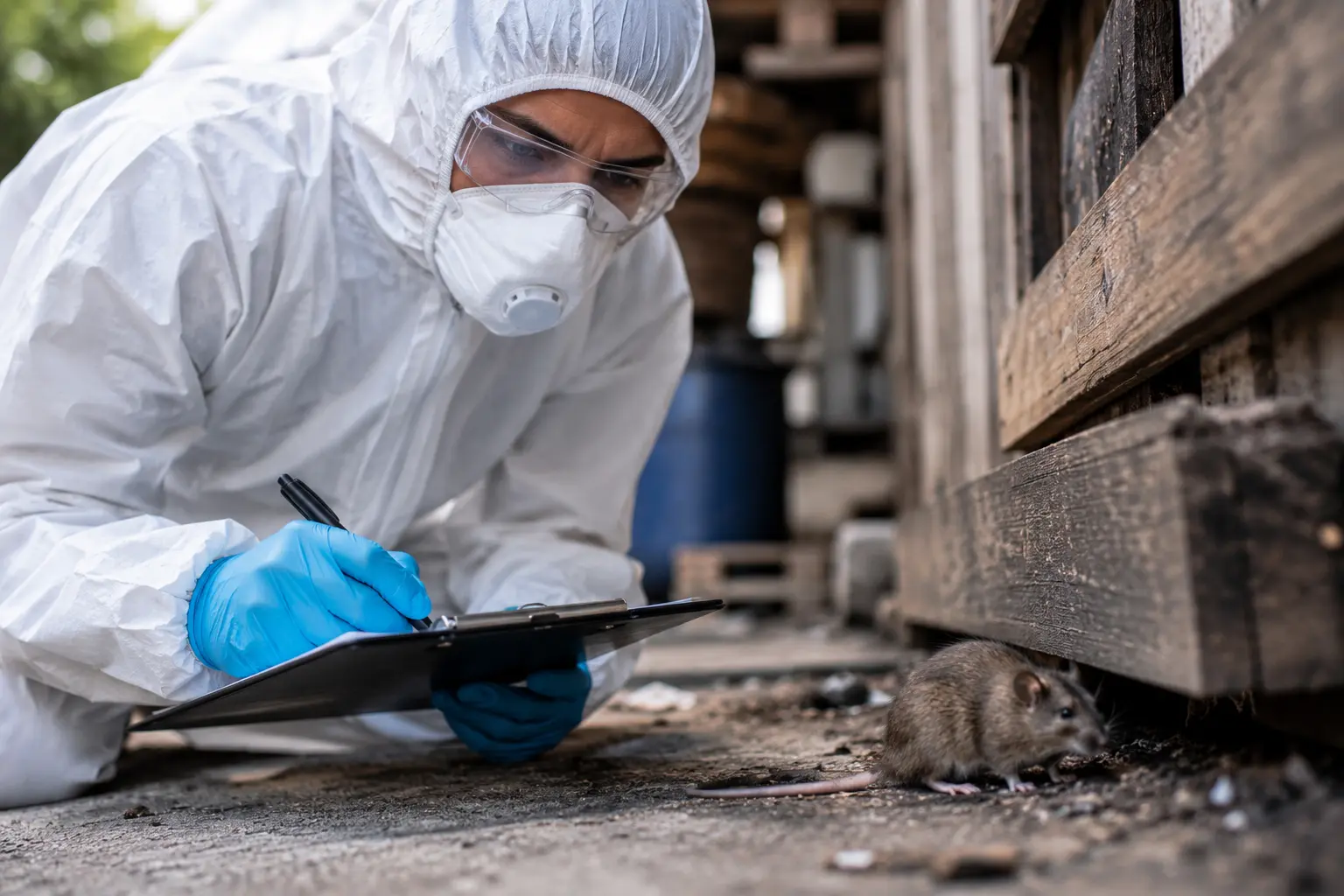
Finding droppings in your attic or hearing scratching in the walls at night triggers a gut-level fear that goes beyond just the creepy factor, especially when you realize hantavirus and rodents are a genuinely dangerous combination that could threaten your family’s health.
Understanding hantavirus transmission
Hantavirus spreads primarily through direct contact with infected rodents or their waste, and the scary part is how easily exposure can happen in everyday situations. Imagine discovering rodent droppings in your garage while cleaning out old boxes, or finding contamination in a storage area you visit regularly. The virus lives in the saliva, urine, and droppings of infected rodents like deer mice and pack rats. When you’re exposed to these materials, especially when they become airborne during cleaning or disturbing contaminated areas, the virus can enter your respiratory system. Many women don’t realize they’ve been exposed until symptoms appear weeks later, making prevention and awareness absolutely critical for protecting yourself and your household.
- Avoid direct contact with rodents or their droppings.
- Ensure proper ventilation when cleaning areas with rodent presence.
- Use protective gear such as masks and gloves when handling potentially contaminated areas.
Recognizing hantavirus symptoms
Early hantavirus symptoms often feel like a bad flu, which is why so many cases go unrecognized initially. You might experience fatigue that makes even simple tasks feel overwhelming, muscle aches throughout your body, and a persistent fever that doesn’t respond well to over-the-counter treatments. Some women report feeling unusually short of breath during normal activities, noticing they can’t climb stairs without feeling winded or struggling to keep up with their usual routine. As the infection progresses, symptoms can escalate to severe respiratory distress, chest pain, and difficulty breathing that demands immediate emergency care. The timeline matters too, because early intervention makes a real difference in outcomes. If you’ve had potential rodent exposure and suddenly feel inexplicably ill, that connection is worth mentioning to your doctor right away.
💬 Ready to feel better in 2 minutes?choose where to begin:
Seeking medical attention
If you suspect you have been exposed to hantavirus or experience symptoms such as shortness of breath, chest pain, or persistent coughing, seeking immediate medical attention is not optional, it’s essential. When you call your doctor or visit an urgent care facility, be specific about any rodent exposure in your home or workplace, because this context helps healthcare providers consider hantavirus in their diagnostic thinking. Don’t wait and hope symptoms improve on their own, especially if you know you’ve had potential exposure. Early diagnosis through blood tests can confirm hantavirus infection, and early supportive care in a hospital setting significantly improves survival rates and reduces complications. Many women delay seeking help because they’re unsure if symptoms are serious enough, but with hantavirus, earlier is always better. Trust your instinct if something feels wrong, and let medical professionals determine the next steps.
Preventing hantavirus infection
Prevention starts with making your home an unwelcoming place for rodents in the first place. Seal every crack and hole you find in your foundation, walls, and around pipes, because rodents can squeeze through surprisingly tiny openings. Store all food, including pet food, in airtight containers that rodents can’t chew through, and don’t leave dishes or crumbs sitting out overnight. Keep your living spaces clean by vacuuming regularly and wiping down surfaces, removing the food sources and nesting materials that attract rodents. Regularly remove accumulated debris, clutter, and old boxes from basements, attics, and storage areas where rodents love to hide and breed. If you discover signs of rodent activity, consider calling a professional pest control service rather than attempting cleanup yourself, since improper handling increases exposure risk. Creating a rodent-free home takes consistent effort, but it’s one of the most effective ways to protect yourself and your family from hantavirus exposure.
Understanding the transmission, symptoms, and prevention of hantavirus infection is crucial for protecting yourself and your loved ones. Early recognition of symptoms and prompt medical attention can make a significant difference in the outcome.
Can hantavirus be transmitted from person to person?
No, hantavirus is not transmitted from person to person. It is primarily spread through contact with infected rodents.
How can I protect myself from hantavirus?
To protect yourself from hantavirus, avoid direct contact with rodents, keep living spaces clean, and seek medical attention if you suspect exposure.
Others also read:
Disclaimer: This article is for informational purposes only and is not a substitute for professional medical advice. Always consult a healthcare professional for personal guidance.
This article presents an experience-based perspective and has been reviewed by the GlobalHealthBeacon editorial team in 2026. It provides structured, evidence-based information to support informed health decisions.
